
Why Most People Are Missing Key Nutrients for Strong Bones
Bone health snack options are one of the easiest ways to close the nutritional gap that’s quietly putting millions of people at risk for fractures and osteoporosis.
Here are the top bone health snacks to start with:
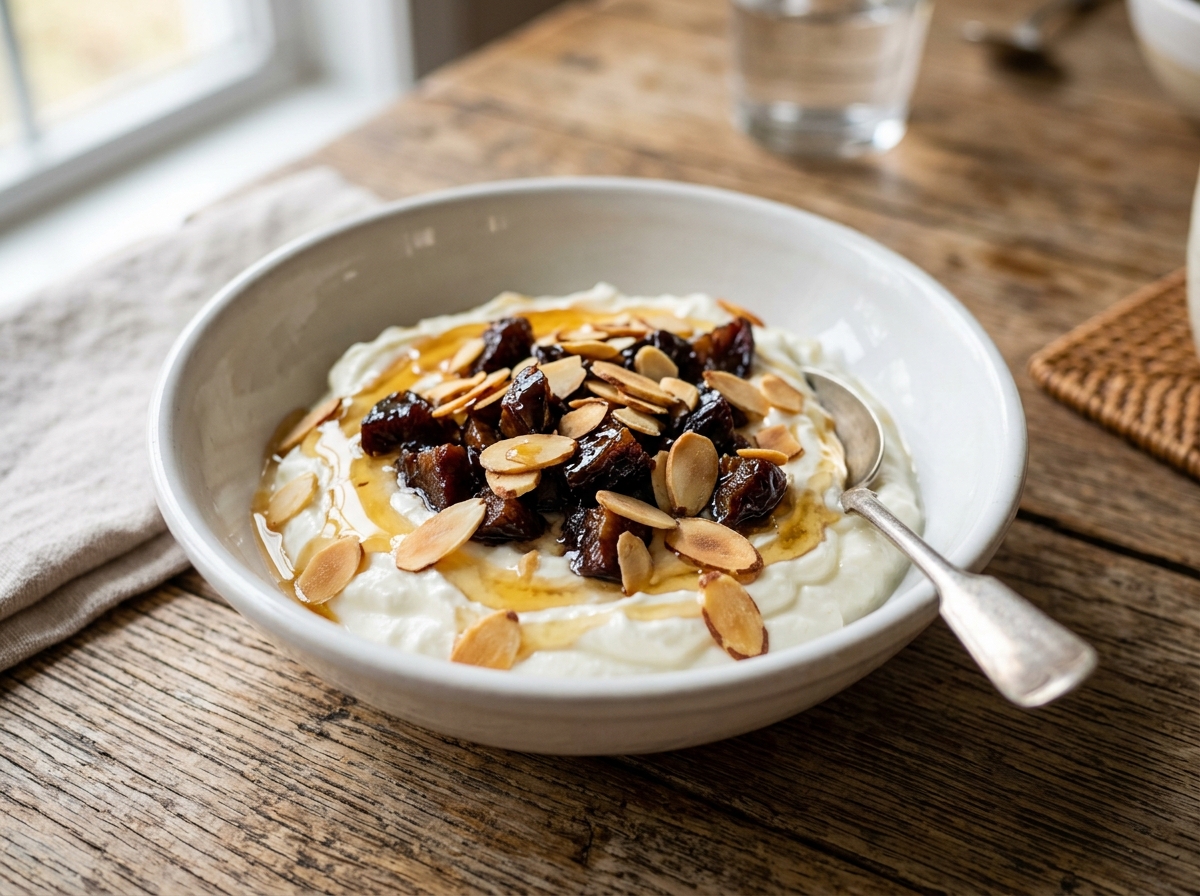
- Greek yogurt with prunes and almonds – calcium, protein, vitamin K, and healthy fats in one bowl
- Chia seed pudding – nearly 320mg of calcium per serving when made with fortified milk
- Canned sardines on whole wheat toast – up to 569mg of calcium per cup, plus omega-3s
- Kefir smoothie – 390mg of calcium per cup, plus probiotics
- Kale chips – vitamin K, low oxalates, and 177mg of calcium per cooked cup
- Cottage cheese with veggies – 14g of protein and 138mg of calcium per cup
- Tahini energy bites – around 150mg of calcium per bite with magnesium and phosphorus
- Roasted chickpeas – plant-based protein and about 80mg of calcium per cup
- Dried figs – 96mg of calcium per 60g serving with potassium
- Hard-boiled eggs – 6g of protein each, plus vitamin D
The numbers are hard to ignore. Nearly half of all Americans don’t get enough calcium. About 10 million Americans already have osteoporosis, and another 44 million have low bone density. After age 50, 1 in 3 women and 1 in 5 men will break a bone because of it.
The problem isn’t just that people skip milk. It’s that most people don’t think about bones until something breaks.
Bone is living tissue. It constantly rebuilds itself. But to do that job well, it needs a steady supply of nutrients — calcium, yes, but also vitamin D, protein, vitamin K, magnesium, and more. Most people simply aren’t snacking in a way that supports this process.
The good news? A few smart snack swaps can make a real difference — without a complicated diet plan or hours in the kitchen.
The Essential Nutrients for Bone Density
When we talk about bone health snack options, calcium usually steals the spotlight. While it is the primary mineral stored in our bones (more than 99% of the body’s calcium is found there!), it doesn’t work alone. Think of calcium as the bricks of a house; you still need mortar, a foundation, and a protective roof to keep the structure standing.
According to the NHS, a variety of vitamins and minerals are required to keep our “living” skeleton strong. Beyond calcium, we must look for:
- Vitamin D: This is the “gatekeeper.” Without it, your body can only absorb about 10% to 15% of the calcium you eat. It helps the intestines pull calcium into the bloodstream.
- Vitamin K: Specifically Vitamin K2, which acts like a GPS, directing calcium out of your arteries and into your bones where it belongs.
- Magnesium: About 60% of the body’s magnesium is stored in the bones. It helps regulate calcium levels and is essential for converting Vitamin D into its active form.
- Phosphorus: Over 85% of the body’s phosphorus is in our bones. It works with calcium to create the hard structure of the skeleton.
- Protein: This is often overlooked, but our bones are approximately 30% protein by volume. Protein provides the structural framework (collagen) that gives bones their flexibility.
For a deeper dive into how these nutrients interact, the Bone Health and Osteoporosis Foundation provides excellent guidelines on how to balance your plate.
Daily Requirements by Age and Gender
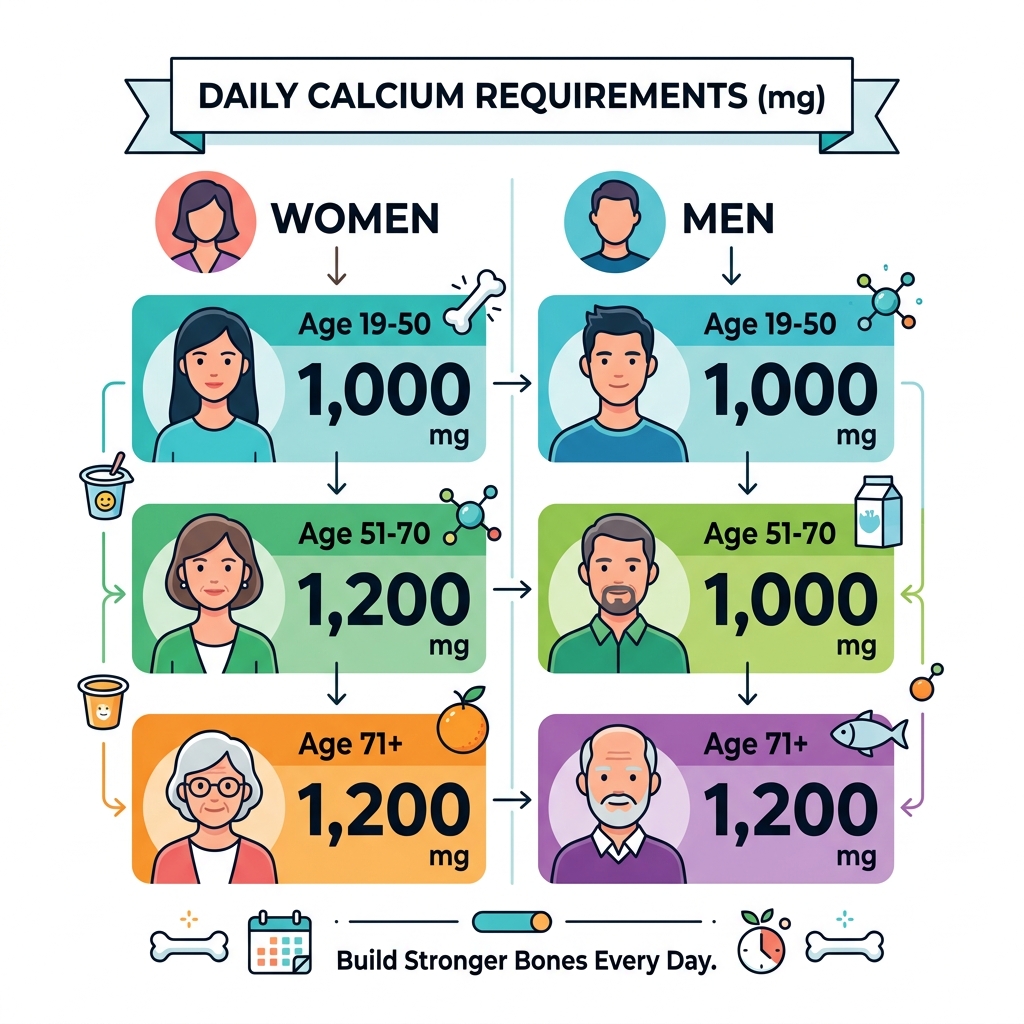
How much do you actually need? The requirements shift as we age because our bodies become less efficient at absorbing minerals, and hormonal changes (like the drop in estrogen during menopause) can accelerate bone loss.
- Adult Women (up to age 50): 1,000 mg of calcium daily.
- Women (over age 50): 1,200 mg of calcium daily.
- Adult Men (up to age 70): 1,000 mg of calcium daily.
- Men (over age 70): 1,200 mg of calcium daily.
For Vitamin D, most experts recommend at least 800 IU (International Units) daily for older adults to help prevent osteoporosis and fractures.
The Best Bone Health Snack Options: A Comprehensive List
Finding the right bone health snack options is about more than just grabbing a cheese stick. It’s about creating “synergy”—combining nutrients so they work better together. For instance, pairing a calcium source with a Vitamin D source is a pro move for your skeleton.
If you are looking for inspiration on how to structure your mid-day bites, check out The Science of Building Balanced Snacks Ideas for a blueprint on mixing proteins, fats, and fibers. We always advocate for Easy, Healthy, Tasty Snacks that don’t feel like a chore to prepare.
Dairy-Free Bone Health Snack Options
Many people believe that if they don’t drink milk, their bones are doomed. That couldn’t be further from the truth! There are plenty of plant-based and non-dairy bone health snack options that pack a massive nutritional punch.
| Food Item | Serving Size | Calcium Content (Approx.) | Other Benefits |
|---|---|---|---|
| Canned Sardines | 1 cup | 569 mg | Omega-3s, Vitamin D |
| Tofu (Firm) | 1/2 cup | 861 mg* | High Protein, Manganese |
| Almonds | 1/2 cup | 190 mg | Healthy Fats, Vitamin E |
| Chia Seeds | 2 tbsp | 179 mg | Fiber, Omega-3s |
| Dried Figs | 60g | 96 mg | Potassium, Fiber |
*Note: Tofu calcium content varies; look for brands processed with calcium sulfate.
One of our favorite “secret weapons” is the prune. Research suggests that eating just 5 to 6 prunes daily can help preserve bone mineral density, particularly in the hip. Prunes support “osteoblasts,” which are the cells responsible for building new bone. They also contain Vitamin K and manganese.
Other dairy-free stars include:
- Tiger Nuts: Despite the name, these are small tubers. They are rich in magnesium and provide a decent calcium boost compared to many unfortified milk alternatives.
- Kale Chips: Unlike spinach, which is high in oxalates that can block calcium absorption, kale is a “low oxalate” green. One cup of cooked kale provides about 177 mg of calcium.
- Bone Broth: While not a primary calcium source on its own, the benefits of bone broth include providing the amino acids necessary for the collagen matrix of your bones.
High-Protein Bone Health Snack Options
Protein is the “silent partner” in bone health. It stimulates bone-building hormones and ensures you have the muscle strength to prevent falls. According to the URMC Newsroom, a high-protein diet can actually increase calcium absorption in the gut.
Here are some high-protein bone health snack options to keep you full and strong:
- Greek Yogurt: This is a powerhouse. It contains nearly double the protein of regular yogurt, though regular yogurt often has slightly more calcium. We recommend topping it with berries and nuts for a balanced snack.
- Cottage Cheese: With 14g of protein and 138mg of calcium per cup, this is an elite bone-building food. Try sprinkling it with “everything bagel” seasoning and using it as a dip for sliced veggies.
- Hard-Boiled Eggs: Each egg provides 6g of high-quality protein and a small amount of Vitamin D.
- Roasted Chickpeas: These are a fantastic crunchy alternative to potato chips. One cup offers about 80mg of calcium and a healthy dose of fiber.
- Smoothies: If you’re on the go, high protein smoothies are perfect. Use kefir or fortified soy milk as a base to maximize your mineral intake.
Habits and Foods to Avoid for Stronger Bones
Sometimes, it’s not about what you add, but what you take away. Certain dietary habits can actually “leach” calcium from your bones or prevent you from absorbing it in the first place.
- Excessive Sodium: High salt intake causes your kidneys to excrete calcium. We recommend staying under 2,300 mg of sodium per day. Always check labels; if a snack has more than 20% of your Daily Value for sodium, it’s considered high.
- Caffeine Overload: Drinking more than three or four cups of coffee a day (over 400 mg of caffeine) may interfere with calcium absorption. If you love your coffee, just ensure you’re getting extra calcium elsewhere to compensate.
- Alcohol: Heavy drinking can interfere with the balance of calcium and the production of Vitamin D.
- Phytates and Oxalates: Found in beans and some greens like spinach, these compounds can bind to calcium. You don’t need to avoid these healthy foods—just use smart prep. For example, soaking beans for several hours before cooking significantly reduces phytate levels.
For more ideas on how to replace bone-depleting foods with better choices, see our guide on Healthy Food Swaps for Everyday Meals.
Frequently Asked Questions about Bone Health Snack Options
How many prunes should I eat daily for bone health?
Most clinical studies point to a serving of 5 to 6 prunes per day. This amount has been shown to help maintain bone mineral density, especially in postmenopausal women. Prunes provide a unique combination of Vitamin K, potassium, and manganese that helps regulate calcium balance and supports the bone-remodeling process.
What is the best bedtime snack for bone health and sleep?
Kefir or Greek yogurt are excellent choices. They provide calcium and protein, but they also contain tryptophan and magnesium, both of which promote relaxation and better sleep. A small yogurt parfait with a few walnuts (for omega-3s) is a perfect “sleep-well, stay-strong” snack.
Can I get enough calcium on a vegan diet?
Absolutely. While it requires more intention, you can meet your needs through fortified plant milks (which often contain 350-400mg per cup), calcium-set tofu, tahini, and chia seeds. Two tablespoons of chia seeds alone offer 179mg of calcium. Using tahini as a dip or a base for energy bites is another easy way to sneak in calcium, magnesium, and phosphorus.
Conclusion
Building strong bones is a lifelong journey of “bone remodeling”—the constant process of your body breaking down old bone and replacing it with new, healthy tissue. While bone health snack options provide the raw materials for this process, don’t forget that your bones also need a “reason” to stay strong. Weight-bearing exercises like walking, jogging, or resistance training signal to your body that it needs to keep that bone density high.
At Quintal Florido, we believe that health doesn’t have to be complicated. By choosing evidence-based nutrition and making small, consistent swaps, you can protect your skeleton for decades to come.
Ready to upgrade your pantry? Explore our Healthy Snacks Category for more nutritious recipes and tips to keep you feeling “good to the bone.”
