
Why Nutritious Fruit Alternatives Daily Can Transform Your Health
Nutritious fruit alternatives daily are some of the simplest, most effective swaps you can make to improve your health — no complicated meal plans required.
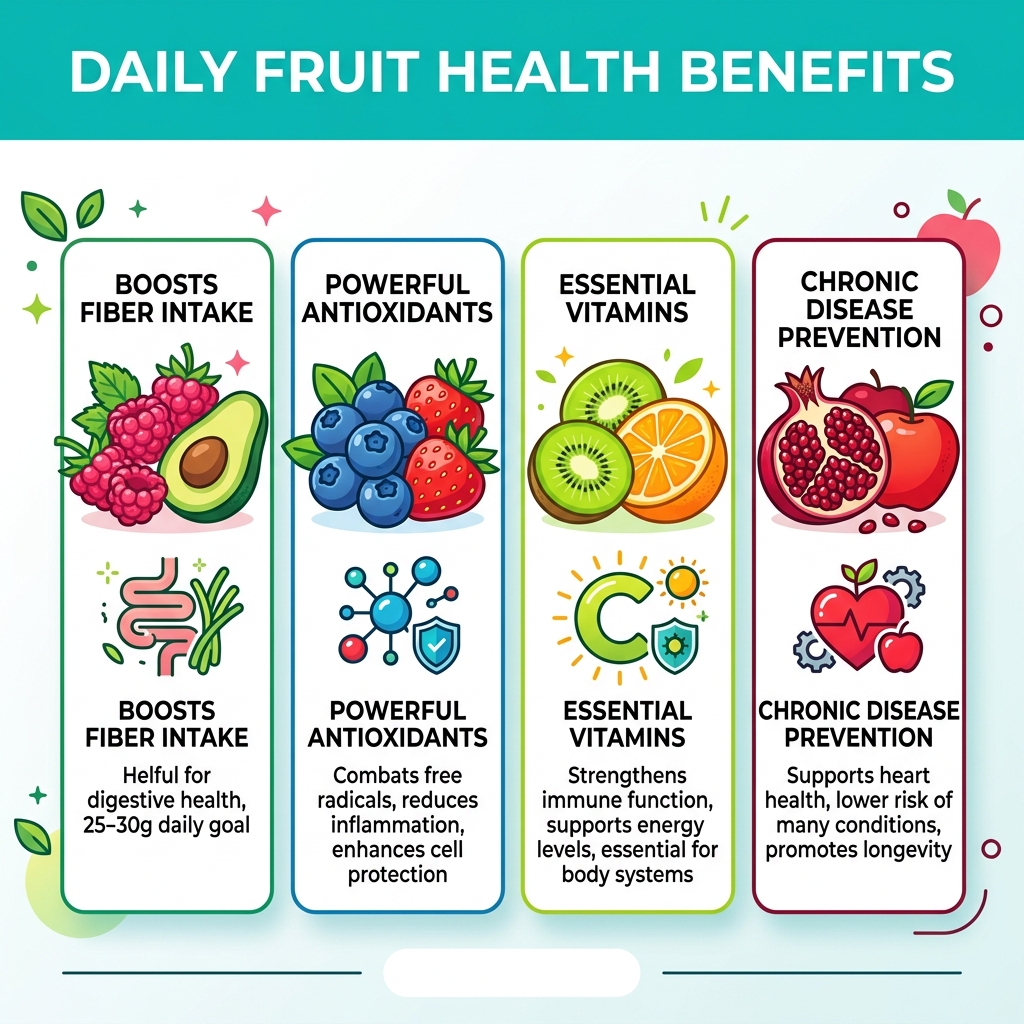
Quick answer: The best nutritious fruits to eat daily include:
- Blueberries – packed with antioxidants and heart-protective anthocyanins
- Raspberries – 8g of fiber per cup (32% of your daily needs)
- Avocado – healthy fats, potassium, and only 1g of sugar
- Strawberries – nearly 100% of your daily vitamin C in one cup
- Pomegranate – powerful anti-inflammatory and cardiovascular benefits
- Watermelon – 92% water, rich in lycopene and potassium
- Kiwi – more vitamin C than an orange, with gut-friendly fiber
- Apples – linked to reduced risk of heart disease and all-cause mortality
Most people already know fruit is good for them. But which fruits give you the most bang for your bite? And how do you actually work them into a busy day?
Here’s the honest problem: most adults only get about 15 grams of fiber daily — roughly half of the recommended 25–30 grams. And when life gets hectic, fruit is often the first thing dropped from the plate in favor of faster, less nutritious options.
The good news? Fruit isn’t just a side thought. Berries alone average nearly 10 times the antioxidants of most other fruits and vegetables. A single study following over 56,000 people found that higher intake of flavonoid-rich fruits like apples was linked to a lower risk of death from cancer and heart disease.
Fruit is genuinely one of the most nutrient-dense, low-effort health tools available — and variety is key. Different colors signal different protective plant compounds, called phytonutrients, each with unique benefits for your heart, gut, immune system, and more.
Top Superfruits for Antioxidants and Heart Health
When we talk about “superfruits,” we are usually referring to fruits that are exceptionally dense in antioxidants. These molecules are your body’s internal cleanup crew, mopping up free radicals that damage cells and lead to chronic disease. Among these, anthocyanins and polyphenols stand out as the heavy hitters for cardiovascular protection.
Blueberries are often crowned the kings of antioxidants. Up to 60% of their polyphenol content comes from anthocyanins, which give them their deep blue hue. Regular consumption has been shown to reduce blood pressure and improve blood flow. Similarly, blackberries are nutritional powerhouses; an 8-week study found that drinking blackberry juice daily significantly reduced markers of inflammation (like C-reactive protein) and boosted “good” HDL cholesterol.
Pomegranates offer a different kind of protection. They are rich in punicalagins and anthocyanins, which help shield the heart by lowering blood pressure and preventing cholesterol from oxidizing in the arteries. If you find pomegranates too tedious to peel, consider strawberries. Research involving women who ate 250 grams of strawberries daily showed a significant increase in blood antioxidant activity in just three weeks.
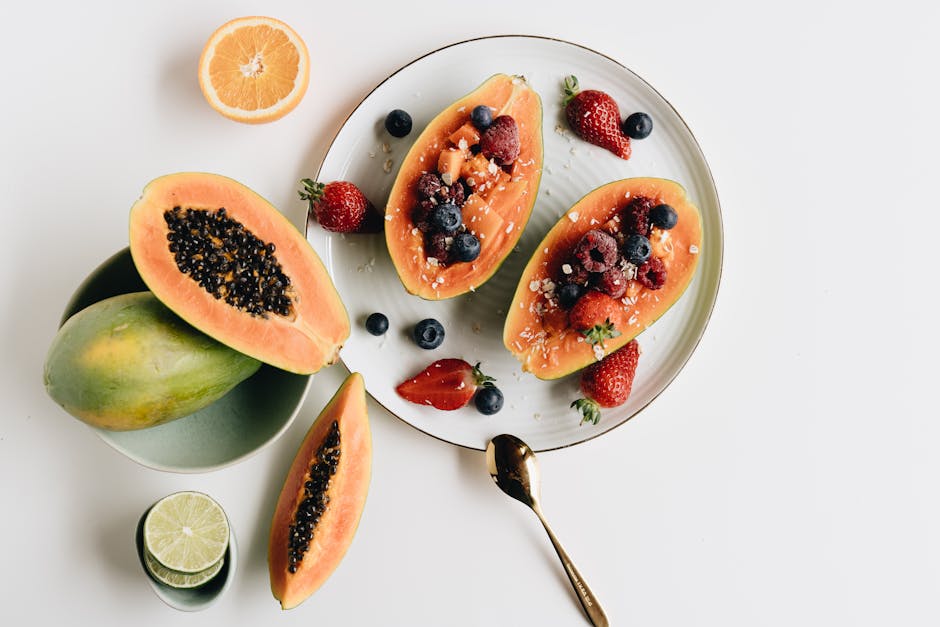
By choosing these flavonoid-rich foods, you aren’t just eating dessert; you’re actively reducing inflammation throughout your vascular system. This “rainbow” approach ensures you get a full spectrum of phytonutrients that work together to keep your heart ticking strongly.
The Best Nutritious Fruit Alternatives Daily for Fiber and Gut Health
One of the biggest nutritional gaps in the modern diet is fiber. While the average adult only gets about 15 grams, we should be aiming for closer to 30 grams. This is where nutritious fruit alternatives daily become essential. Fiber isn’t just about “keeping things moving”; it’s about feeding your gut microbiome and stabilizing your blood sugar.
There are two main types of fiber you need:
- Soluble fiber: Forms a gel-like substance that helps lower cholesterol and slow glucose absorption.
- Insoluble fiber: Adds bulk to stool and helps prevent constipation.
Raspberries are the undisputed champions here, offering a staggering 8 grams of fiber per cup. That is nearly one-third of your daily requirement in a single snack! Apples are another fantastic choice because they provide both types of fiber, particularly pectin, a prebiotic fiber that supports healthy gut bacteria. To get the most benefit, always eat the skin, as it contains the majority of the insoluble fiber and antioxidants.
For those struggling with digestive issues, mangoes and papayas are incredible functional foods. In a study of people with chronic constipation, eating 300 grams of mango daily improved stool frequency and consistency more effectively than taking a fiber supplement alone. This is likely due to the combination of fiber and polyphenols that reduce intestinal inflammation. Papaya contains an enzyme called papain, which helps break down proteins and can ease bloating after a heavy meal.
If you are just starting your wellness journey, check out our Clean Eating Tips for Beginners for more ways to swap processed snacks for high-fiber whole foods.
Potassium-Rich Powerhouses Beyond the Banana
We’ve all been told to eat a banana for a cramp, but bananas aren’t the only (or even the best) source of potassium. Potassium is a vital electrolyte that balances sodium levels, helping to control blood pressure and support muscle recovery.
While a medium banana provides about 422 mg of potassium, several other whole foods actually outperform it. For example, half an avocado contains roughly 487 mg, and a medium sweet potato boasts 542 mg. If you’re looking for extreme levels, a cup of white beans delivers nearly 1,200 mg!
| Food Item | Potassium Content (mg) |
|---|---|
| White Beans (1 cup) | 1,200 mg |
| Cooked Spinach (1 cup) | 839 mg |
| Sweet Potato (1 medium) | 542 mg |
| Avocado (100g / half) | 487 mg |
| Banana (1 medium) | 422 mg |
Watermelon is another surprising potassium source that is perfect for post-workout recovery. Not only does it help relieve sore muscles, but it is also 92% water, making it one of the most hydrating fruits available. Maintaining this electrolyte balance is a core part of The Science of Building Balanced Snacks Ideas, ensuring your body has the fuel it needs to recover from daily stressors.
Low-Sugar and Low-Carb Options for Blood Sugar Control
For those managing diabetes or following a ketogenic lifestyle, the sugar content in fruit can be a concern. However, not all fruit sugars are created equal. The “whole package” of fruit—fiber, water, and polyphenols—means the body processes these sugars much more slowly than the added sugars found in junk food.
The glycemic index (GI) measures how quickly a food raises blood sugar. Fruits like avocados have an extremely low GI because they are packed with healthy monounsaturated fats and fiber rather than sugar. In fact, an avocado contains only about 1 gram of sugar per fruit, making it the ultimate low-carb superfruit.
Top Low-Sugar Nutritious Fruit Alternatives Daily
If you are watching your net carbs but still want the vitamin boost, focus on these options:
- Limes and Lemons: These contain only 1-2 grams of sugar and are rich in flavonoids that may have antibacterial properties.
- Berries (Raspberries & Blackberries): These are high in fiber, which offsets the carb count. A cup of raspberries has only 5 grams of sugar.
- Strawberries: With only 7 grams of sugar per cup, they provide nearly 100% of your daily Vitamin C without a massive glucose spike.
- Kiwis: A small kiwi has about 7 grams of sugar and provides more Vitamin C than an orange.
Pairing these fruits with a source of protein or healthy fat (like a handful of nuts) further slows down digestion, ensuring stable energy levels throughout the day.
How to Incorporate Superfruits into Your Routine
Knowing which fruits are healthy is only half the battle; the real trick is making them a consistent part of your life. The U.S. Dietary Guidelines recommend that adults aim for 1.5 to 2 cups of fruit daily, yet only about 12% of us hit that target.
One of the best ways to ensure you get your nutritious fruit alternatives daily is to utilize the freezer. Frozen fruit is often picked at peak ripeness and flash-frozen, locking in nutrients. It’s also often more affordable and prevents the “science experiment” in your crisper drawer when fresh produce goes bad.
For busy mornings, try our Healthy and Delicious Work or School Snack Smoothies. Using frozen dragon fruit or berries can turn a standard drink into a vibrant, antioxidant-packed meal.
Practical Ways to Enjoy Nutritious Fruit Alternatives Daily
- Smoothie Bowls: Use frozen pitaya (dragon fruit) or acai as a base. Dragon fruit is particularly great for gut health because it contains prebiotic fiber.
- Yogurt Toppings: Swap sugary granola for pomegranate arils or sliced kiwi.
- Salad Garnishes: Add sliced strawberries or grapefruit segments to spinach salads to help your body absorb the iron from the greens (thanks to the Vitamin C).
- Nut Butter Pairings: Instead of jelly, use sliced apples or bananas on whole-grain toast.
- Natural Sweeteners: Use mashed berries or dates to sweeten oatmeal instead of refined sugar.
Frequently Asked Questions About Healthy Fruit Swaps
Which fruits have the most antioxidants?
Berries (blueberries, blackberries, and raspberries) generally have the highest antioxidant concentrations, averaging nearly 10 times more than other fruits. Pomegranates and tart cherries are also top-tier choices for fighting oxidative stress.
Can fruit help with blood pressure?
Yes! Fruits rich in potassium (like avocados, bananas, and melons) and those high in flavonoids (like apples and citrus) are scientifically linked to better blood pressure control. The fiber in fruit also supports overall heart health.
Are there any fruit and medication interactions?
This is a critical question. Certain compounds called furanocoumarins, found primarily in grapefruit, can interfere with the enzymes that break down medications in your body. This can lead to dangerously high levels of certain drugs in your bloodstream, including some statins (for cholesterol) and calcium channel blockers (for blood pressure). If you are on any prescription medication, always consult with your doctor before making grapefruit a daily habit.
Conclusion
At Quintal Florido, we believe that evidence-based nutrition doesn’t have to be complicated. By focusing on nutritious fruit alternatives daily, you are giving your body the fiber, antioxidants, and essential minerals it needs to thrive. Whether it’s swapping a bag of chips for a crisp apple or adding a handful of blueberries to your morning routine, these small changes lead to significant long-term health benefits.
A wholesome diet is built one choice at a time. By prioritizing variety and choosing whole, colorful fruits, you are protecting your heart, supporting your gut, and investing in your future self.
