
Why the Healthy Diet Pyramid Still Matters (And Just Changed Significantly)
The healthy diet pyramid is one of the most recognized tools in nutrition — and in 2025, it got its biggest makeover in decades.
Here’s a quick overview of what the updated pyramid recommends:
| Food Group | Daily Target |
|---|---|
| Protein (animal + plant) | 1.2–1.6g per kg of body weight |
| Vegetables | 3 servings |
| Fruit | 2 servings |
| Whole grains | 2–4 servings |
| Dairy (full-fat, no added sugar) | 3 servings |
| Highly processed foods | Avoid |
The core message of the new 2025–2030 Dietary Guidelines for Americans is simple: Eat real food.
That means whole, nutrient-dense foods — and far less of the packaged, processed stuff that has quietly taken over most American plates.
The numbers behind this shift are hard to ignore:
- Over 70% of American adults are overweight or obese
- 50% of Americans have prediabetes or diabetes
- Nearly 90% of U.S. healthcare spending goes toward treating chronic diseases — many of which are directly linked to diet
This isn’t just a tweak to old advice. It’s a fundamental rethink of what we’ve been told to eat — and why the old guidance may have made things worse, not better.
If you’re a busy parent or professional trying to eat better without overhauling your entire life, this guide breaks it all down in plain language.
The Evolution of the Healthy Diet Pyramid: From 1992 to 2030
To understand why the new guidelines feel so revolutionary, we have to look at where we started. Most of us grew up with the 1992 Food Guide Pyramid. It put a massive base of grains—bread, cereal, rice, and pasta—at the bottom, suggesting we eat 6 to 11 servings a day. Unfortunately, it didn’t distinguish between a piece of whole-grain sourdough and a bowl of sugary cereal. This “all carbs are equal” approach is now widely criticized by experts for contributing to the metabolic health crisis we see today.
In 2005, the USDA introduced MyPyramid. While it tried to add the concept of physical activity (remember the little guy climbing the stairs?), it was abstract and confusing. You had to go to a website to figure out what the colored bands actually meant. Then came MyPlate in 2011, which simplified things into a four-quadrant circle. While MyPlate was a great visual for portion control, it still lacked specific guidance on food quality—like the difference between processed deli meat and a fresh chicken breast.
The 2025–2030 Dietary Guidelines represent a massive policy reset. We are moving away from “low-fat everything” and toward “real food always.” This new healthy diet pyramid isn’t just a suggestion; it’s a response to a national emergency where 75% of adults have at least one chronic condition.
| Feature | 1992 Food Pyramid | MyPlate (2011-2025) | New Pyramid (2025-2030) |
|---|---|---|---|
| Primary Focus | Low fat, high grain | Portion sizes/proportions | Real, whole, nutrient-dense food |
| Grain Advice | 6-11 servings (any kind) | Make half your grains whole | 2-4 servings (whole grains only) |
| Fat Advice | Avoid all fats | Low-fat or fat-free dairy | Healthy fats & full-fat dairy |
| Protein | Grouped with beans/nuts | “Protein” quadrant | Prioritized (animal & plant) |
If you’re looking to manage your weight during this transition, check out our nutrition guide for weight management for more tailored advice.
The 2025–2030 “Eat Real Food” Reset: What’s Inside the New Pyramid?
The “Eat Real Food” message is the heartbeat of the updated guidelines. We’re finally seeing an official acknowledgment that highly processed foods—those filled with artificial dyes, added sugars, and refined seed oils—are the primary drivers of our health issues. The new healthy diet pyramid flips the script by prioritizing satiety and nutrient density over simple calorie counting.
One of the most significant shifts is the “ending of the war on protein.” For years, we were told to limit meat and eggs. Now, the guidelines emphasize high-quality protein at every single meal. This helps maintain muscle mass and keeps you full longer, reducing the urge to snack on processed carbs. We’ve also seen a shift in how we view dairy; the new guidelines embrace full-fat options, provided they don’t have added sugars.
To see how this looks in practice, you can explore the macro guide to balanced meal ideas and the nutritionist’s guide to balanced diet ideas to help you build a plate that fits this new philosophy.
Key Food Groups in the New Healthy Diet Pyramid
The new structure is built on a foundation of nutrient-dense building blocks:
- Animal and Plant Protein: The target is now 1.2–1.6 grams of protein per kilogram of body weight. This means a 150-lb person should aim for roughly 82 to 109 grams of protein daily. Sources include beef, poultry, seafood, eggs, beans, and nuts.
- Vegetables: Aim for 3 servings per day. The focus is on whole forms—think fresh broccoli or roasted carrots rather than veggie straws.
- Fruits: 2 servings per day. Again, whole fruit is preferred over juice to ensure you get the fiber.
- Whole Grains: The recommendation has dropped to 2–4 servings, a far cry from the 11 servings of the 90s.
- Healthy Fats: These are no longer at the tiny tip of the pyramid but are integrated through whole foods like eggs, fatty fish, and nuts.
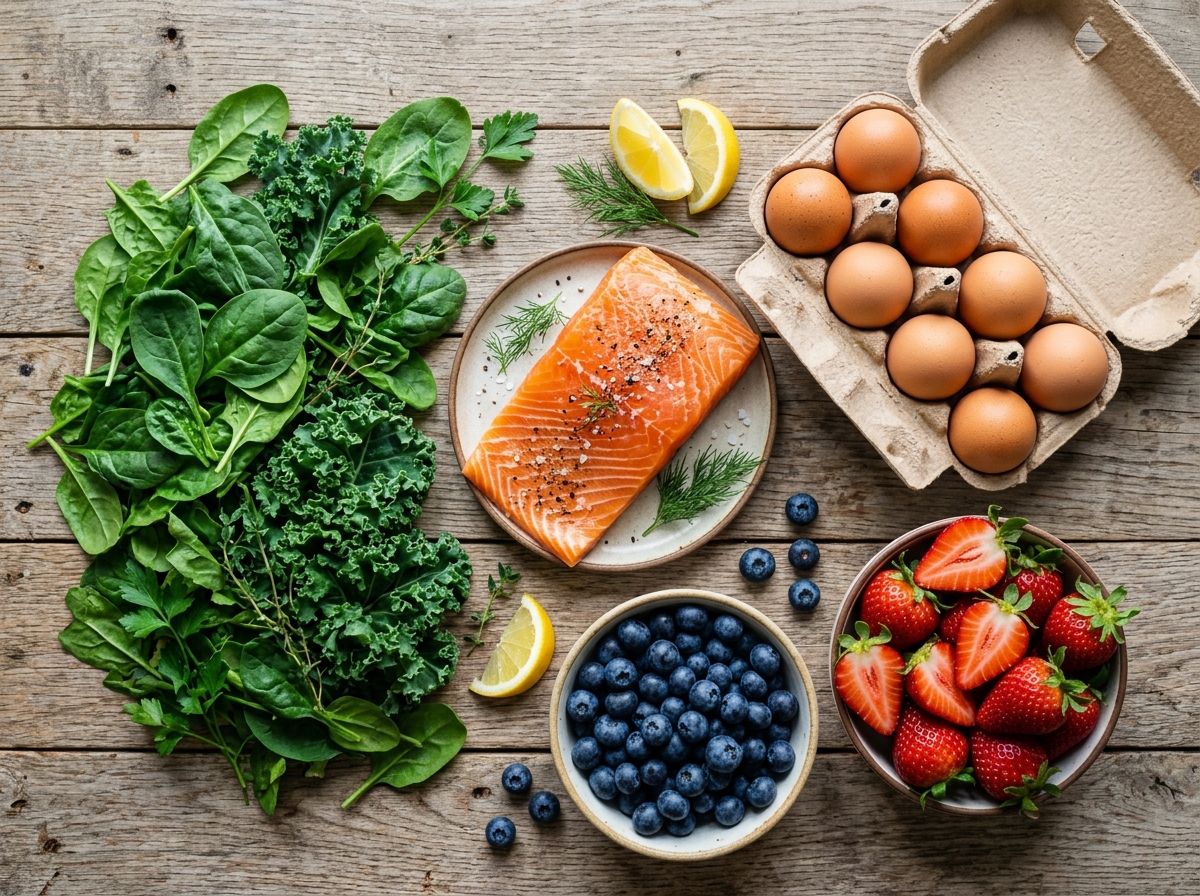
Why the New Healthy Diet Pyramid Prioritizes Protein and Full-Fat Dairy
Why the sudden love for full-fat dairy and extra protein? It comes down to biology. Low-fat dairy often has the fat replaced with sugar or thickeners to make it taste better, which can spike your insulin. Full-fat dairy, like whole milk or plain Greek yogurt, contains natural fats that help your body absorb fat-soluble vitamins (A, D, E, and K).
Furthermore, protein is the most “satiating” macronutrient. When we eat enough protein, our brains receive stronger signals that we are full. This is a key tool in combating the obesity epidemic. According to The Food Pyramid – A Guide to a Balanced Diet, a balanced approach that respects these proportions is essential for long-term health.
Comparing the New U.S. Pyramid to Harvard’s Healthy Eating Pyramid
While the U.S. government is just now catching up, the experts at the Harvard T.H. Chan School of Public Health have been advocating for a better model for years. Their Healthy Eating Pyramid and Healthy Eating Plate were created to fix the flaws in the original USDA guidelines.
Harvard’s model has always distinguished between “good” and “bad” carbs and fats. While the old USDA pyramid put all fats at the top to be used “sparingly,” Harvard placed healthy plant oils (like olive and canola) near the base. They also emphasize that potatoes don’t count as vegetables because of their high impact on blood sugar.
A unique feature of the Harvard Healthy Eating Pyramid • The Nutrition Source is that it includes lifestyle factors. It places daily exercise and weight control at the very foundation, acknowledging that you can’t out-eat a sedentary lifestyle. If you’re just starting out, our balanced diet plan for beginners incorporates many of these evidence-based principles.
Scientific Evidence Behind the Healthy Diet Pyramid Shift
The shift toward these models isn’t just a trend; it’s backed by decades of data. Research shows that people who follow the Harvard-style healthy diet pyramid have significantly better outcomes:
- Cardiovascular Health: Men who followed these guidelines lowered their risk of heart disease by nearly 40%; women lowered theirs by almost 30%.
- Chronic Disease: Men were 20% less likely to develop a major chronic disease compared to those following the original 1992 USDA advice.
- Overall Mortality: A study of over 7,000 British civil servants found that those with the highest scores on the Alternate Healthy Eating Index had a 25% lower risk of dying from any cause.
According to the Healthy Eating Pyramid – The Nutrition Source, the type of food matters much more than the total percentage of fat or carbs.
Overcoming Practical Hurdles: Real Food on a Budget and Tight Schedule
We know what you’re thinking: “This sounds great, but I have $200 a week for groceries and 20 minutes to make dinner.” You aren’t alone. The biggest criticism of the “Real Food” movement is that it can feel inaccessible.
However, eating “real food” doesn’t have to mean organic kale from a boutique market. It means choosing a bag of frozen spinach over a box of frozen pizza rolls. It means buying a carton of eggs (one of the cheapest high-quality proteins) instead of a box of sugary granola bars.
To make this work, we recommend:
- Batch Cooking: Spend one hour on Sunday boiling eggs or roasting a tray of chicken thighs.
- Using Food Labels: Look for “added sugars.” You’ll be shocked at how much is in “healthy” pasta sauce or yogurt.
- Mindful Shopping: Use the healthy diet pyramid as your grocery list. Focus your spending on the bottom tiers (protein and veggies) first.
Check out our resources on meal planning for nutrition and healthy balanced diet recipes for a happier you for budget-friendly, quick ideas.
Is the Healthy Diet Pyramid Realistic for Busy Families?
The new guidelines aren’t just for individuals; they are driving massive policy changes. The government is working to remove soda and candy from SNAP benefits and ensuring that school lunches and military bases serve real food instead of highly processed mystery meals.
For families stuck in “drive-thru culture,” the transition is about small wins. It’s about moving from a “white food” diet (white bread, white pasta, white sugar) to a colorful one. For more strategies on making this stick, see the complete guide to balanced meals for sustainable weight loss.
Expert Critiques and the Science of the Healthy Diet Pyramid
No dietary change is without controversy. Some nutrition experts are concerned about the “saturated fat cap.” The guidelines still recommend keeping saturated fat under 10% of daily calories. Experts point out that if you eat the recommended amount of animal protein and full-fat dairy, you might breeze past that 10% limit very quickly.
There is also a debate about the “no added sugar” rule for children under 10. While everyone agrees less sugar is better, some child nutritionists worry that strict restriction could lead to “forbidden fruit” syndrome, where kids binge on sweets the moment they are away from their parents’ sight.
Finally, there is the “inverted pyramid” visual. Some argue that the new graphics are confusing and don’t clearly show the proportion of whole grains compared to vegetables. Despite these critiques, the consensus is clear: moving toward whole, real foods is the most important step Americans can take for their health.
Frequently Asked Questions about the Healthy Diet Pyramid
What is the main difference between the old and new food pyramids?
The old pyramid (1992) was heavy on carbohydrates and feared all fats. The new 2025–2030 guidelines prioritize high-quality protein and whole, “real” foods while strictly limiting highly processed items and refined grains.
Why does the new pyramid recommend full-fat dairy over low-fat?
Full-fat dairy is often more satisfying and lacks the added sugars frequently found in low-fat versions. It also helps the body absorb essential vitamins that require fat for transport.
How many servings of vegetables and fruits should I eat daily?
The current recommendation is 3 servings of vegetables and 2 servings of fruit daily, focusing on whole, intact forms rather than juices or processed snacks.
Conclusion
At Quintal Florido, we believe that better health begins on your plate, not in your medicine cabinet. The shift toward a healthy diet pyramid based on real, whole foods is a vital step in reversing the chronic disease crisis facing our country. By prioritizing protein, embracing healthy fats, and ditching the ultra-processed “food-like substances,” you can reclaim your energy and long-term health.
It’s not about being perfect; it’s about making the next best choice. Whether that’s swapping your morning bagel for eggs or choosing water over soda, every step up the pyramid counts. Start your journey to a balanced lifestyle today and let’s make “real food” the new standard.
