
Why Balanced Dinner Ideas Matter for Your Health (and Sanity)
Balanced dinner ideas are meals that combine lean protein, fiber-rich carbohydrates, non-starchy vegetables, and healthy fats on one plate — giving your body steady energy, better blood sugar control, and lasting fullness.
Here is a quick-reference guide to get you started:
| Component | What to Include | Plate Portion |
|---|---|---|
| Vegetables | Broccoli, spinach, peppers, kale | 50% of plate |
| Protein | Chicken, salmon, lentils, tofu | 25% of plate |
| Carbohydrates | Brown rice, quinoa, whole-wheat pasta | 25% of plate |
| Healthy fats | Olive oil, avocado, nuts | Small finishing amount |
This simple structure — often called the Plate Method — does not require calorie counting or complicated recipes. A rough visual check is enough for most nights.
Most of us want to eat well. But after a long day of work, school pickups, and a dozen other demands, dinner is the last thing we have energy for.
The result? We default to takeout, processed shortcuts, or just whatever is fastest — and feel worse for it.
The good news is that a nutritious dinner does not have to be complicated or time-consuming. Many balanced meals come together in under 30 minutes, using pantry staples you likely already have. The key is knowing a few reliable patterns you can repeat without thinking too hard.
This guide covers exactly that — practical, delicious dinner ideas that actually work for real, busy lives.

What Makes a Dinner Nutritionally Balanced?
When we talk about balanced dinner ideas, we are looking for a specific synergy of nutrients that helps our bodies function at their best. It isn’t just about “eating healthy”; it’s about the relationship between what is on our plate and how our body responds.
The core of any balanced meal is the combination of macronutrients. We need protein for tissue repair and muscle maintenance, carbohydrates for brain and muscle energy, and healthy fats for nutrient absorption and hormone health. However, the “secret sauce” of a balanced dinner is often fiber. Fiber, found in non-starchy vegetables and whole grains, slows down digestion. This prevents the dreaded “sugar crash” after eating and keeps us feeling full until breakfast.
To make things easier when you are at the grocery store, we recommend looking for the Heart-Check mark on certified foods. This certification ensures that the products meet specific nutrition requirements for heart health, which is a great foundation for any balanced meal.
For those of us managing a hectic schedule, focusing on nutritious dinner ideas for busy weeknights means prioritizing ingredients that pack a punch. Micronutrients—the vitamins and minerals like iron, zinc, and B vitamins—are just as vital as the “big three” macros.
Here is how some of our favorite protein sources stack up when building a balanced plate:
| Protein Source | Protein Content (approx. per 3 oz) | Unique Benefit |
|---|---|---|
| Shrimp | 20–24g | Low calorie, high in Vitamin B12 and Selenium |
| Chicken Thighs | 18–20g | Higher iron and zinc than breasts; stays moist |
| Lentils (1 cup cooked) | 18g | High fiber (15g), supports gut health |
| Tofu | 8–10g | Plant-based, contains all essential amino acids |
By using the Plate Method—filling half your plate with “color” (vegetables), a quarter with protein, and a quarter with fiber-rich carbs—you ensure you’re getting a wide spectrum of these nutrients without needing a calculator.
Quick and Easy Balanced Dinner Ideas Under 30 Minutes
We know that on a Tuesday night at 6:00 PM, a “60-minute gourmet meal” sounds more like a threat than a treat. That is why we love recipes that clock in at 30 minutes or less.
One of our favorite balanced dinner ideas is a classic stir-fry. Stir-fries are the ultimate weeknight “win” because they use a single pan and cook incredibly fast. For example, a shrimp and broccoli stir-fry can be on the table in about 25 minutes. Shrimp is a fantastic lean protein that cooks in just 2-3 minutes per side, while broccoli provides a satisfying crunch and a massive dose of fiber and antioxidants like sulforaphane.
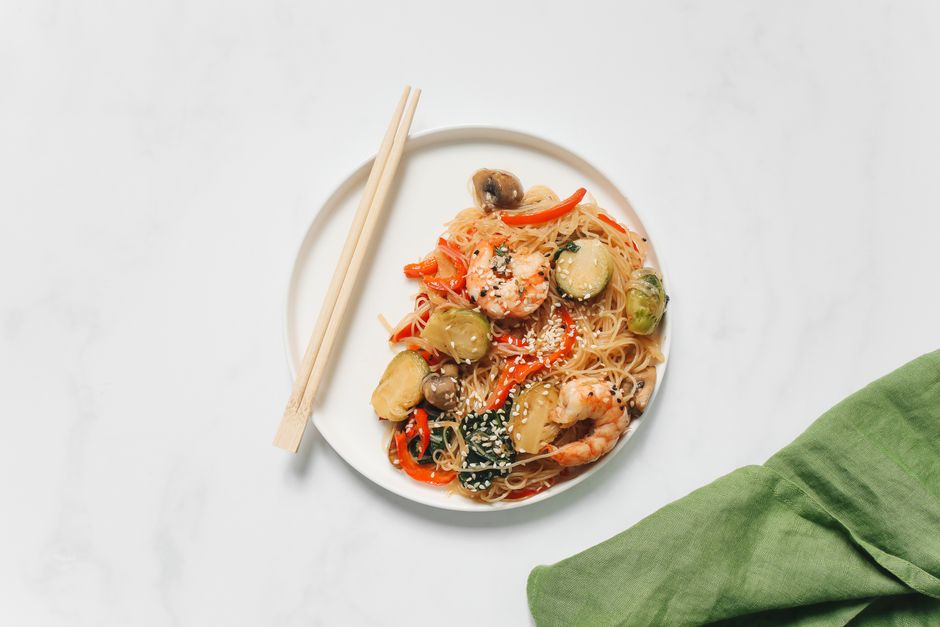
If you are looking for more inspiration, we have a guide on cooking healthy meals in 30 minutes or less that dives deeper into these time-saving techniques. Another great option is a lemon chicken pasta. By using whole-wheat pasta and tossing in a generous amount of spinach or zucchini ribbons, you turn a comfort food favorite into a balanced powerhouse. For even more variety, check out these 30-minute healthy meals.
The key to keeping these quick meals flavorful is the sauce. You don’t need heavy creams or excessive salt to make food taste amazing. We recommend keeping a few “5-minute flavor boosters” in your repertoire:
- Lemon-Tahini Drizzle: Tahini, lemon juice, garlic, and a splash of warm water.
- Ginger-Soy Glaze: Low-sodium soy sauce, grated ginger, and a touch of honey.
- Balsamic Reduction: Balsamic vinegar simmered until thick (or a store-bought glaze).
- Greek Yogurt “Crema”: Plain Greek yogurt mixed with lime juice and cilantro.
- Pesto: Fresh basil, garlic, olive oil, and parmesan (or nutritional yeast).
Turning Salads and Bowls into Balanced Dinner Ideas
If you think salads are just “rabbit food,” you haven’t tried a proper Buddha bowl or grain bowl. These are some of the most versatile balanced dinner ideas because they allow you to prep components once and eat for days.
A perfect bowl follows a 5-part formula:
- The Base: Quinoa, brown rice, or a bed of leafy greens. (1/3 of the bowl)
- The Protein: Roasted chickpeas, grilled chicken, or a jammy egg. (1/4 of the bowl)
- The Vegetables: A mix of roasted (like sweet potatoes) and fresh (like cucumber). (1/3 of the bowl)
- The Sauce: This is what ties it all together—think a creamy tahini or a spicy peanut dressing.
- The Crunch: A tablespoon of sunflower seeds, crushed nuts, or hemp seeds.
Contrast is the secret to a bowl that feels like a “real meal.” We like to mix warm components (like freshly cooked quinoa) with cool, crisp vegetables. This variety in texture and temperature makes every bite exciting. If you’re looking for simple healthy dinner ideas, starting with a bowl is a foolproof method.
One-Pan and Sheet Pan Wonders for Busy Weeknights
Cleanup is often the most exhausting part of cooking. This is where sheet pan and one-pan meals shine. By roasting everything together, the flavors mingle, and you only have one dish to scrub at the end of the night.
Sheet pan salmon with asparagus and baby potatoes is a classic example. Salmon is rich in omega-3 fatty acids, which are great for heart health and managing inflammation. When roasted at a high temperature (around 400°F), the salmon stays tender while the vegetables get those delicious caramelized edges.
For families, we often suggest healthy family meals that wont take all evening to prepare, like sheet pan chicken fajitas. Simply toss sliced bell peppers, onions, and chicken strips in olive oil and spices, roast for 20 minutes, and serve with whole-grain tortillas.
Modern appliances are also great allies. An air fryer can produce “crispy” salmon bites or tofu in half the time of a conventional oven, while a slow cooker can turn simple ingredients into a rich chicken taco filling while you are at work. If you are watching your caloric intake, we have several simple and delicious low-calorie dinners that utilize these one-pot methods. To sharpen your kitchen efficiency, you can even learn more cooking skills through online resources that focus on knife work and meal timing.
Family-Friendly Balanced Dinner Ideas Kids Will Love
Getting kids to eat “balanced” can sometimes feel like a negotiation at a high-stakes summit. The trick is to take familiar favorites and give them a nutritional upgrade.
- Baked Tacos: Instead of frying shells, we fill corn tortillas with lean ground turkey and beans, top with a little cheese, and bake them until warm. This allows the family to grab a pre-stuffed taco that is much lower in saturated fat.
- Chicken Fajita Rice Bake: This is a one-dish wonder. Use precooked brown rice, black beans, peppers, and chicken thighs. The rice soaks up the juices from the chicken, making it incredibly flavorful without extra oil.
- Healthy Sloppy Joes: We like to use lean ground beef or turkey and “hide” finely diced mushrooms or carrots in the sauce. This increases the nutrient density and fiber without changing the flavor profile kids love.
Interactive meals, like a “taco bar” or “bowl station,” also work wonders. When kids have a choice in which vegetables go on their plate, they are much more likely to actually eat them.
Balanced Options for Different Dietary Needs
A “balanced dinner” looks different for everyone. Whether you are plant-based, gluten-free, or focusing on high protein, the Plate Method still applies—you just swap the building blocks.
For our vegan friends, easy vegan recipes for a healthy dinner often center around legumes and soy. A tofu stir-fry with plenty of snap peas and carrots over cauliflower rice is a fantastic low-carb, high-protein plant-based option. If you prefer seafood, we have a guide on healthy and hearty seafood meals you can make in no time.
Research has shown that incorporating more plant-based proteins and omega-3s can help manage chronic inflammation, which is linked to many long-term health issues. One of our favorite “crossover” meals is a balsamic chicken orzo. By using whole-wheat orzo, you get more fiber and protein than white pasta, and the balsamic glaze adds a sophisticated sweetness that feels like a restaurant meal.
High-Protein Balanced Dinner Ideas for Sustained Energy
If you find yourself hungry an hour after dinner, you might need to bump up your protein. Aiming for about 30 grams of protein per serving can significantly improve satiety.
Chicken thighs are a secret weapon here. While many people reach for breasts, thighs stay moist during cooking and contain more iron and zinc. Another tip? Use Greek yogurt as a substitute for sour cream or heavy cream. It adds a tangy flavor and a massive protein boost to sauces and dressings.
High-protein balanced dinner ideas help with muscle repair and keep your metabolism humming. When combined with fiber-rich carbs like quinoa or lentils, you create a meal that provides a slow, steady release of energy rather than a spike and crash.
Frequently Asked Questions about Balanced Dinners
How can I meal prep balanced dinners sustainably?
The biggest mistake people make with meal prep is trying to cook five different complex recipes on a Sunday. Instead, we suggest “component prepping.” Roast a large tray of vegetables, cook a big batch of grains, and grill two or three types of protein.
During the week, you can mix and match these components using different sauces to keep things interesting. Store your items in airtight containers—most cooked proteins and grains will last 3–5 days in the fridge. We also love frozen vegetable shortcuts. Frozen broccoli or spinach is just as nutritious as fresh and can be tossed into a pan in seconds.
Essential Meal Prep Tools:
- Sheet Pans: For roasting large batches of veg and protein.
- Airtight Glass Containers: Keeps food fresher for longer.
- Instant-Read Thermometer: Ensures chicken and fish are cooked perfectly every time.
- Rice Cooker or Instant Pot: For hands-off grain cooking.
Can pasta or burgers be part of a balanced meal?
Absolutely! We don’t believe in “off-limits” foods. To balance a burger, choose a lean patty (turkey, grass-fed beef, or a black bean patty) and a whole-grain bun. The most important step? Add a massive side salad or a pile of roasted veggies instead of fries.
For pasta, try a 50/50 split: half whole-wheat pasta and half “zoodles” (zucchini noodles). Toss in some lean protein like shrimp or chicken, and you have a perfectly balanced meal that satisfies that comfort food craving.
What are the best plant-based proteins for dinner?
If you are moving away from meat, there are plenty of powerful options:
- Lentils: Great for soups and stews; very high in fiber.
- Chickpeas: Perfect for roasting until crispy or adding to curries.
- Edamame: A complete protein that is great in grain bowls.
- Quinoa: One of the few plant foods that contains all nine essential amino acids.
- Nutritional Yeast: Adds a cheesy flavor and B vitamins to any dish.
Conclusion
At Quintal Florido, we believe that healthy eating shouldn’t be a chore or a source of stress. By mastering a few balanced dinner ideas and using the Plate Method, you can build wholesome habits that support your long-term health without spending your entire evening in the kitchen.
Sustainable eating is about progress, not perfection. Whether it’s swapping white rice for quinoa or adding one extra serving of greens to your plate, every small change adds up. For more ways to improve your diet with evidence-based advice, explore our more nutrition tips. Here’s to many delicious, balanced evenings ahead!
