
Why Healthy Balanced Diet Recipes Are the Simplest Path to Better Health
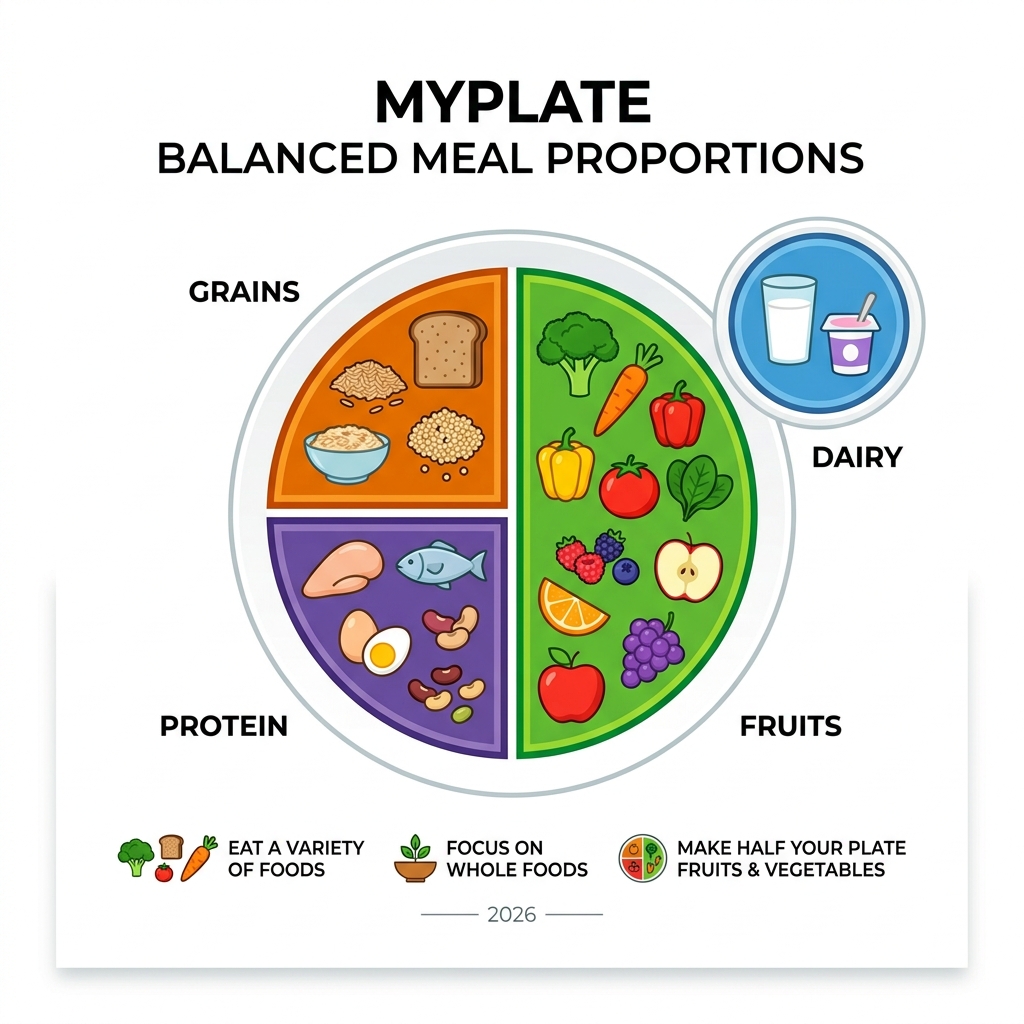
Healthy balanced diet recipes are meals that combine lean proteins, complex carbohydrates, healthy fats, and plenty of vegetables — giving your body the nutrients it needs without excess sugar, sodium, or saturated fat.
Here’s a quick look at what makes a recipe truly balanced:
| Component | Examples | Why It Matters |
|---|---|---|
| Lean protein | Salmon, chicken, lentils, eggs | Builds muscle, keeps you full |
| Complex carbs | Brown rice, whole-wheat pasta, quinoa | Steady energy, no crashes |
| Healthy fats | Avocado, olive oil, nuts | Heart health, nutrient absorption |
| Fiber | Vegetables, beans, whole grains | Digestion, satiety |
| Vitamins & minerals | Leafy greens, colorful vegetables | Long-term disease prevention |
The good news? Eating well doesn’t have to mean spending hours in the kitchen or eating bland food.
Research consistently shows that simple lifestyle changes — like swapping processed meals for home-cooked ones built around whole foods — can help maintain a healthy body weight and lower the risk of chronic disease.
Whether you’re a busy parent grabbing 30 minutes between meetings or someone just starting to rethink their eating habits, the right recipes make all the difference. The goal isn’t perfection. It’s progress, one meal at a time.
What Defines a Healthy Balanced Diet Recipe?
When we talk about healthy balanced diet recipes, we aren’t talking about restrictive “diet food” that leaves you dreaming of a cheeseburger by 9:00 PM. Instead, we define balance through variety and nutrient density. A truly balanced recipe is a powerhouse of whole foods that works together to fuel your cells while keeping your taste buds entertained.
According to government sources like MedlinePlus, a healthy eating pattern emphasizes fruits, vegetables, fat-free or low-fat dairy, and a variety of protein foods. The magic happens when we start simple diet changes for better health by limiting the “big three” culprits: saturated fats, added sugars, and excessive sodium.
One of the easiest ways to identify if you are on the right track at the grocery store is to Find Heart-Check Certified Foods. This certification from the American Heart Association ensures that the products you’re buying meet strict nutritional criteria for heart health.
But balance isn’t just about what you take out; it’s about what you put in. We look for recipes that include:
- Colorful Produce: Aiming for “5 A Day” isn’t just a slogan; it’s a strategy. Vegetables like spinach and broccoli provide essential folate and Vitamin K.
- Whole Grains: Swapping white flour for whole-wheat or oats provides the fiber necessary for digestion.
- Smart Flavoring: Instead of reaching for the salt shaker, we use spices like harissa, cumin, or ginger to add “punch” without the blood-pressure spike.
Essential Components of a Balanced Meal
To build a meal that keeps you energized until your next sit-down, we need to look at the “Big Four” macronutrients and how they interact. Think of your plate as a team; you wouldn’t want a team made entirely of goalies, right? You need a mix of roles.
Lean Proteins
Protein is the building block of our bodies. Whether you prefer animal-based or plant-based sources, the goal is to keep it lean. For instance, a dozen shrimp contains just 85 calories but is packed with protein and selenium, a powerful antioxidant. On the plant side, lentils are a superstar, often providing up to 18 grams of protein per cooked cup.
Complex Carbohydrates
Carbs are not the enemy! They are our primary energy source. The trick is choosing “complex” versions like quinoa, brown rice, or sweet potatoes. These take longer to break down, preventing the dreaded “sugar crash.”
Healthy Fats
Fats are essential for absorbing vitamins (A, D, E, and K). We focus on unsaturated fats found in olive oil, avocados, and nuts.
Dietary Fiber
Fiber is the unsung hero of weight management. It adds bulk to your meals, helping you feel full faster. Ingredients like chickpeas and chia seeds are excellent fiber boosters.
To help you get started, we’ve put together a balanced diet plan for beginners that simplifies these concepts into a daily routine.
| Protein Source | Benefits | Plant vs. Animal |
|---|---|---|
| Salmon | High Omega-3s, Heart Health | Animal |
| Lentils | High Fiber, Iron-rich | Plant |
| Chicken Breast | Low Fat, High B-Vitamins | Animal |
| Chickpeas | Manganese for bone health | Plant |
| Greek Yogurt | Probiotics, High Protein | Animal (Dairy) |
Quick and Easy Healthy Balanced Diet Recipes for Busy Weeknights
We know the feeling. It’s 6:30 PM, the kids are hungry, and the temptation to order pizza is real. This is where healthy balanced diet recipes that utilize “one-pot” or “sheet-pan” methods save the day.

The beauty of a sheet-pan meal is the minimal cleanup. You can toss salmon fillets, asparagus, and cherry tomatoes with a drizzle of olive oil and herbs, and have a nutrient-dense dinner ready in under 20 minutes. For those just starting out, we recommend checking out healthy recipes for beginners to build your confidence.
If you want to sharpen your technique, the American Heart Association offers resources to Learn More Cooking Skills, such as how to dice tomatoes efficiently or peel garlic without the frustration.
High-Protein Healthy Balanced Diet Recipes for Energy
For those days when you need an extra boost, high-protein meals are key. Protein supports muscle repair and metabolic health, which is vital if you’re following our nutrition guide for weight management.
- 17-Minute Salmon Fillets: A quick sear or bake of salmon provides roughly 280 calories per serving and a massive dose of Omega-3 fatty acids.
- Balsamic Chicken Orzo: This one-skillet wonder uses whole-wheat orzo (more fiber!) and chicken thighs for a moister, more flavorful result than breasts. It packs about 39 grams of protein per serving.
- Garlic Butter Shrimp with Noodles: Shrimp is a “speedy” protein. Steamed garlic butter shrimp can deliver 38 grams of protein and pairs perfectly with whole-grain pasta and asparagus.
- Mini Turkey Meatloaves: Using lean ground turkey and pork helps keep portion sizes in check while providing a kid-favorite texture.
Plant-Forward Healthy Balanced Diet Recipes for Longevity
You don’t have to be a full-time vegetarian to reap the benefits of plant-forward eating. Incorporating more legumes and greens can improve heart health and increase your fiber intake. These are perfect healthy family meals that won’t take all evening to prepare.
- Spinach and Feta Lentil Bowls: This one-pot recipe is inspired by Greek horta. You boil bitter greens, eggs, and lentils in the same pot. The result? A 591-calorie meal with 38 grams of protein and 16 grams of dietary fiber. It’s perfect for meal prepping!
- Roasted Veggie Grain Bowls: Take sweet potatoes, beets, and kale, roast them until sweet and tender, and toss them with wild rice and a creamy balsamic dressing. It’s a “slice of healthy eating heaven.”
- Buddha Bowls: A classic “reset” meal. We love a combination of roasted broccoli, butternut squash, brown rice, and a fried egg on top. The runny yolk acts as a natural sauce, making it feel indulgent while staying under 400 calories.
- Spiced Carrot & Lentil Soup: This is a budget-friendly staple. It’s iron-rich, low-fat, and ready in under 30 minutes.
Specialized Dietary Categories for Every Lifestyle
We believe that healthy balanced diet recipes should be accessible to everyone, regardless of dietary restrictions. Whether you are managing a health condition or simply following a specific lifestyle, there is a balanced path for you.
- Low-Sodium: Vital for heart health. We recommend using citrus (lemon/lime juice) and fresh herbs like oregano and cilantro to provide “flavor pops” without the salt.
- Gluten-Free: Many of our favorite grains, like quinoa and buckwheat, are naturally gluten-free. For pasta lovers, chickpea-based pastas are a great way to keep the texture while adding protein.
- Heart-Healthy: Focuses on “good” fats and fiber. Look for the American Heart Association’s Heart-Check Certified Foods to ensure your ingredients support cardiovascular wellness.
- Vegetarian/Vegan: Plant-based eating is more than just salad. Dishes like Moroccan-style chickpea soup or “Beans Parmesan” (a clever twist on chicken parm) provide satiety and flavor.
- Mediterranean Diet: Often cited as the “gold standard” for longevity, this style emphasizes healthy oils, fish, and a mountain of vegetables.
For more tips on how to navigate these choices as a household, our guide on healthy eating for families offers practical advice for satisfying everyone at the table.
Meal Prep Secrets for Consistent Healthy Eating
The secret to staying consistent with healthy balanced diet recipes isn’t willpower—it’s preparation. If you have a fridge full of prepped ingredients, you are much less likely to reach for a processed snack.
The Sunday Strategy
We recommend spending 60 to 90 minutes on Sunday to set yourself up for success:
- Roast a “Rainbow”: Toss broccoli, sweet potatoes, and onions on a sheet pan and roast them all at once.
- Cook Your Grains: Prepare a large batch of quinoa or brown rice. These can be frozen for up to 3 months or kept in the fridge for 4-5 days.
- Prep Your Proteins: Grill a few chicken breasts or hard-boil a half-dozen eggs.
- Whisk the Dressing: Homemade dressings (like a lemon-tahini or balsamic vinaigrette) are much healthier than store-bought versions which are often hidden sources of sugar.
Storage Tips
Invest in airtight glass containers. Not only do they keep food fresher longer, but they also make reheating safer. When storing salads, keep the dressing on the side to prevent the greens from wilting. For dishes like lentil bowls, adding the feta or avocado just before serving keeps the textures exactly where you want them.
Our detailed guide on meal planning for nutrition can help you build a custom schedule that fits your lifestyle.
Frequently Asked Questions about Healthy Balanced Diet Recipes
How can I make healthy meals on a tight budget?
Healthy eating doesn’t have to be expensive! Some of the most nutrient-dense foods are also the cheapest. Canned beans, lentils, and chickpeas are protein powerhouses that cost pennies per serving. Buying frozen vegetables is another great tip—they are frozen at peak ripeness and are often more nutritious (and cheaper) than “fresh” produce that has spent a week on a truck. We also suggest checking out SNAP-Ed Recipes for thrifty, government-approved meal ideas.
What are the best pantry staples for balanced cooking?
Keep your pantry stocked so you can whip up a meal in 15 minutes. Our must-haves include:
- Grains: Quinoa, brown rice, whole-wheat pasta.
- Canned Goods: Tuna (24g protein per serving!), black beans, diced tomatoes, and low-sodium broth.
- Healthy Fats: Extra virgin olive oil and a variety of nuts/seeds.
- Spices: Garlic powder, smoked paprika, cumin, and dried oregano.
How do I ensure my kids enjoy healthy balanced meals?
The “stealth health” approach works wonders. Try blending spinach into a fruit smoothie or adding finely chopped mushrooms to taco meat. Another great strategy is the “DIY” station—let kids build their own Buddha bowls or “pizza pitta faces” using whole-wheat pita bread and plenty of veggie toppings. The NHS Healthier Families site has fantastic “kid-approved” recipes like eyeball meatballs and zombie peppers that make healthy eating fun.
Conclusion
Embracing healthy balanced diet recipes is one of the most rewarding gifts you can give yourself. By focusing on whole, vibrant ingredients and simple cooking methods, you aren’t just “eating right”—you’re fueling a happier, more energetic version of yourself.
At Quintal Florido, we are dedicated to providing you with evidence-based guides that make wholesome living attainable. Whether it’s a 20-minute shrimp scampi or a batch-prepped lentil bowl, every healthy choice contributes to your long-term wellness.
Ready to take the next step in your nutrition journey? Explore more expert nutrition tips and discover how small changes can lead to big results. Happy cooking!
