
Why What You Eat Directly Controls Your Blood Sugar
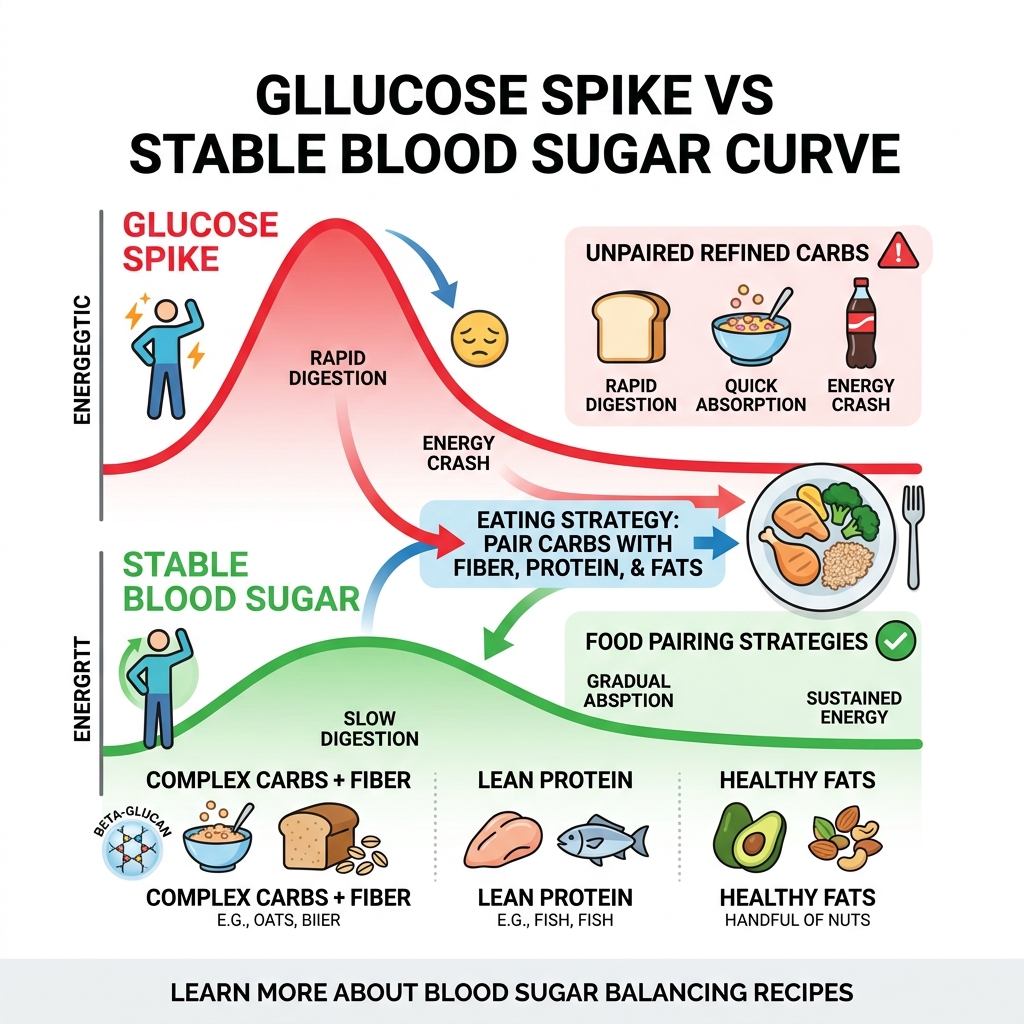
Blood sugar balancing recipes are meals built around the right mix of fiber, protein, and healthy fats to keep your glucose levels steady — no spikes, no crashes.
Here’s a quick look at what makes a recipe blood sugar-friendly:
- High fiber — slows digestion and glucose absorption (think oats, beans, vegetables)
- Lean protein — reduces post-meal glucose spikes and keeps you full longer
- Healthy fats — slow gastric emptying so carbs digest more gradually
- Low glycemic index carbs — whole grains, legumes, and non-starchy vegetables over refined starches
- Limited added sugars and sodium — most effective recipes stay under 40g of carbohydrates per serving
If you’re managing diabetes or prediabetes, what you eat has a direct impact on your health. Your A1C — the measure of your average blood glucose over three months — has a target below 7% for most people with diabetes. The food on your plate every day either helps you hit that target or works against it.
The good news? Eating for blood sugar balance doesn’t mean bland food or endless restriction. It means smarter combinations — pairing the right carbs with the right proteins and fats to keep your energy stable all day.
The 28 recipes in this article do exactly that.
The Science Behind Blood Sugar Balancing Recipes
To understand why certain meals leave us feeling energized while others lead to a “food coma,” we have to look at the Glycemic Index (GI). The GI is a scale from 0 to 100 that ranks how quickly carbohydrate-containing foods raise blood glucose. Pure glucose sits at 100. When we choose blood sugar balancing recipes, we are essentially looking for low-GI ingredients that enter the bloodstream at a stroll rather than a sprint.
One of our favorite “superhero” ingredients is the humble oat. Scientific research on beta-glucan fiber in oats shows that this specific type of soluble fiber is incredibly beneficial for diabetes management. It creates a gel-like substance in the digestive tract, which slows down the absorption of glucose.
We often talk about the “protein-fat-fiber bridge.” Think of it as a literal bridge that slows down the transit of sugar into your blood. By anchoring complex carbohydrates with these three components, we prevent the sharp insulin spikes that can lead to long-term health complications. Making simple diet changes for better health often starts with understanding these swaps.
| High-GI Food (The Spike) | Low-GI Swap (The Balance) | Why It Works |
|---|---|---|
| White Rice (GI ~73) | Quinoa (GI ~53) | More fiber and protein to slow digestion. |
| Regular Spaghetti (GI ~50-55) | Spaghetti Squash (GI ~20) | Drastically lower carb count and higher water content. |
| White Bread (GI ~75) | Nut & Seed Bread (GI ~Low) | Healthy fats and protein provide stability. |
| Mashed Potatoes (GI ~87) | Mashed Cauliflower (GI ~15) | Reduces the “glycemic load” of the entire meal. |
Key Nutritional Principles for Glucose Control
When we design or choose a meal, we look for specific “stability factors.” These aren’t just buzzwords; they are the building blocks of metabolic health.
- Amino Acids (Protein): Protein is the ultimate stabilizer. It requires more energy to digest and doesn’t raise blood sugar significantly.
- Omega-3 Fatty Acids: Found in salmon, walnuts, and chia seeds, these fats support heart health, which is vital since people with diabetes are at a higher risk for cardiovascular issues.
- Soluble Fiber: Research on chickpeas and post-meal glucose indicates that legumes can significantly reduce the glucose response after a meal. Chickpeas are a fan favorite because their resistant starch improves insulin sensitivity.
- Magnesium: This mineral plays a crucial role in how our bodies process sugar. Many people with insulin resistance are actually deficient in magnesium.
- Antioxidants: Ingredients like turmeric and ginger aren’t just for flavor. Turmeric contains curcumin, which may lower fasting blood sugar, while ginger’s polyphenols can help improve insulin sensitivity.
Following a balanced diet plan for beginners ensures you get these micronutrients consistently.
How to Customize Blood Sugar Balancing Recipes for Your Needs
We know that no two bodies—and no two schedules—are exactly the same. That’s why the best blood sugar balancing recipes are flexible.
- Vegetarian Adaptations: Swap beef or chicken for chickpeas, lentils, or organic tofu. Legumes provide a “second meal effect,” where the fiber benefits actually carry over to your next meal!
- Low-Carb Swaps: If you’ve had a higher-carb day, you might want a dinner that leans heavily on non-starchy vegetables. Use zucchini noodles (zoodles) or cauliflower “steaks” as your base.
- One-Pan Efficiency: We love sheet-pan meals. Tossing salmon, asparagus, and cherry tomatoes on one tray with olive oil is a 20-minute ticket to a stable glucose curve.
- Meal Prep: Meal planning for nutrition is the secret weapon. If you have a batch of quinoa or roasted sweet potatoes in the fridge, you’re less likely to reach for a high-GI convenience food when hunger hits.
Essential Meal Planning and Portion Control Strategies
Even the healthiest food can impact blood sugar if the portion sizes are out of alignment. We recommend the ADA “Plate Method” as a visual guide. It’s simple, requires no measuring cups, and works everywhere from home to a restaurant.
- Half the Plate: Non-starchy vegetables (spinach, broccoli, peppers, kale). These add volume and micronutrients without the carb load.
- One-Quarter Plate: Lean protein (fish, turkey, tofu, eggs).
- One-Quarter Plate: Carbohydrates or starchy foods (quinoa, sweet potato, brown rice).

This method naturally limits calories, carbohydrates, saturated fat, and sodium. For those managing weight, our nutrition guide for weight management offers deeper insights into how these portions help maintain a healthy BMI.
Smart Swaps for Traditional Favorites
You don’t have to give up your favorite comfort foods; you just need to update the “software.”
- Pasta Night: Instead of wheat pasta, try spaghetti squash. It has a GI of 20 compared to 50-55 for regular pasta.
- Rice Dishes: Cauliflower rice is a game-changer. It absorbs flavors beautifully in stir-fries and curries while keeping net carbs in the single digits.
- Baking: Use almond flour or coconut flour instead of all-purpose flour. These are higher in protein and healthy fats.
- Sweeteners: Opt for 1:1 sugar alternatives like erythritol or monk fruit to enjoy sweetness without the glucose spike.
For more ideas, check out our low-carb meal prep recipes for a healthier week.
28 Delicious Recipes for Stable Energy
Here is our curated list of recipes designed to keep you full, satisfied, and metabolically healthy. Many of these contain less than 40g of carbohydrates per serving.
- Creamy Tomato Salmon Skillet: Salmon provides essential omega-3s, while the creamy tomato sauce (made with a touch of Greek yogurt or light cream) adds satiety.
- Chickpea Curry: A plant-based powerhouse. The fiber in chickpeas significantly reduces post-meal glucose.
- Ground Turkey Stuffed Peppers: Use bell peppers as the “bowl” to cut down on grains. These are high in protein and vitamin C.
- Sweet Potato Black Bean Quinoa Bake: A cozy one-pan dinner. Sweet potatoes offer slow-digesting carbs, and black beans provide resistant starch.
- Miso-Glazed Cod: A light, high-protein option. Miso adds a probiotic boost for gut health.
- Sheet-Pan Chicken and Veggies: The ultimate “no-fuss” dinner. Use broccoli, Brussels sprouts, and carrots.
- Spinach & Artichoke Dip Pasta: Use whole-grain pasta or zoodles and pack it with fiber-rich artichokes.
- Beef & Bean Sloppy Joes: By adding beans to the beef, you bump up fiber by 7 grams and can cut significant amounts of added sugar.
- Canned Salmon Stuffed Avocados: A no-cook lunch rich in healthy fats and protein.
- General Tso’s Cauliflower: A plant-based twist on the takeout classic that provides a fiber boost.
- Lemony Salmon and Orzo Casserole: Use a small portion of whole-wheat orzo and plenty of spinach.
- Roasted Vegetable Meatloaf: Mixing finely chopped veggies into the meat adds moisture and fiber.
- Bacon and Spinach Pizza: Use a cauliflower crust to keep it diabetes-friendly.
- Steak and Brussels Sprouts: A “go-to” for many health experts. The fat in the steak and fiber in the sprouts prevent insulin spikes.
- Caribbean Red Snapper: Use fresh lime and spices for flavor without sodium.
- Pozole (Turkey or Chicken): A traditional soup made healthier with lean protein and extra cabbage for crunch.
- Avocado Tacos: Use corn tortillas (lower GI than flour) and load up on healthy fats from avocado.
- Slow-Cooker Pork Chops: A hands-off meal that stays tender and low-carb.
- Shrimp Avocado Salad: Fast, fresh, and packed with protein.
- Spicy Beef Stir-Fry: Use plenty of ginger and garlic to support insulin sensitivity.
- Tuna Nicoise Salad: A classic balance of protein, healthy fats (olives), and fiber (green beans).
- Asian Turkey Lettuce Wraps: A crunchy, low-carb alternative to traditional wraps.
- West African Peanut Stew: Rich in plant-based protein and healthy fats from natural peanut butter.
- Chicken Butternut Chili: Butternut squash provides vitamins and fiber with a lower glycemic load than white potatoes.
- Naked Fish Tacos: Skip the breading and serve over a bed of slaw.
- High-Protein Chocolate Banana Oatmeal: (See the breakfast section for details!)
- Baked Blueberry Almond Oatmeal: No added sugar, just fiber and protein.
- Chickpea Sweet Potato Breakfast Hash: A savory start to the day that prevents mid-morning crashes.
Looking for snacks to bridge the gap between these meals? Try our low-calorie snack recipes or expect low calories in these tasty smoothie recipes.
Quick 30-Minute Blood Sugar Balancing Recipes
We know life is busy. You don’t need three hours in the kitchen to eat well.
- Rotisserie Chicken Hacks: Grab a plain rotisserie chicken, shred the meat, and toss it into a big salad or a quick soup with frozen veggies.
- 15-Minute Salmon: Season a fillet and air-fry or pan-sear it. Pair with a bag of pre-washed spinach sautéed in garlic and olive oil.
- Clean Eating Tips: For those just starting out, our clean eating tips for beginners emphasize using pantry staples like canned beans and tuna for fast, balanced meals.
High-Protein Breakfasts for Morning Stability
How you start your day sets the tone for your blood sugar until dinner. A high-carb breakfast (like a bagel or sugary cereal) often leads to a “rollercoaster” effect.
- Cinnamon Oatmeal Bake: We love this because you can make it on Sunday and eat it all week. By adding Greek yogurt and protein powder, you transform the oats into a slow-burning fuel.
- Scientific Research on Ginger: Adding a bit of ginger to your morning tea or smoothie is a smart move. Scientific research on ginger and insulin sensitivity suggests its polyphenols help slow carbohydrate digestion.
- Chia Seed Pudding: Chia seeds form a gel in your stomach, which is the ultimate way to slow down sugar absorption. Plus, they are packed with Omega-3s.
Frequently Asked Questions About Blood Sugar Management
What is the ideal A1C goal for people with diabetes?
For many adults with diabetes, the general goal is an A1C of below 7%. This number represents your average blood sugar over the past 2 to 3 months. However, this is not a “one size fits all” target. Your healthcare provider might set a different goal based on your age, other health conditions, and how long you’ve had diabetes. Regular monitoring and professional consultation are key to long-term success.
How do healthy fats help prevent glucose spikes?
Fats are like the “brakes” for your digestion. They slow down gastric emptying—the rate at which food leaves your stomach and enters the small intestine. When you include monounsaturated fats like olive oil, avocado, or nut butters in your blood sugar balancing recipes, the carbohydrates in that meal are absorbed much more slowly. This leads to a gentle rise in blood sugar rather than a sharp peak.
Can I eat fruit on a blood sugar-balancing diet?
Absolutely! We often hear that fruit is “too sugary,” but fruit comes with fiber, vitamins, and water. The key is portion awareness and pairing.
- Choose Berries: Raspberries, blackberries, and strawberries are lower in sugar and higher in fiber than tropical fruits.
- Pair It Up: Never eat fruit “naked.” Pair an apple with peanut butter or berries with Greek yogurt. The protein and fat will buffer the natural sugars.
Conclusion
At Quintal Florido, we believe that health is built one meal at a time. By focusing on blood sugar balancing recipes, you aren’t just managing a number on a glucose monitor; you are investing in sustained energy, better moods, and long-term wellness.
The transition to a balanced diet doesn’t have to happen overnight. Start by picking one recipe from this list—perhaps the 30-minute salmon or the chickpea curry—and see how you feel two hours after eating. You might be surprised at how much more energy you have when your blood sugar stays on an even keel.
For more evidence-based guides, explore our clean eating tips for beginners or browse our full library of nutrition tips. Here’s to better health, one delicious bite at a time!
