
Why Balanced Meal Plan Ideas Are the Smartest Way to Eat Well
Balanced meal plan ideas give you a simple, repeatable system for eating well — even on your busiest days.
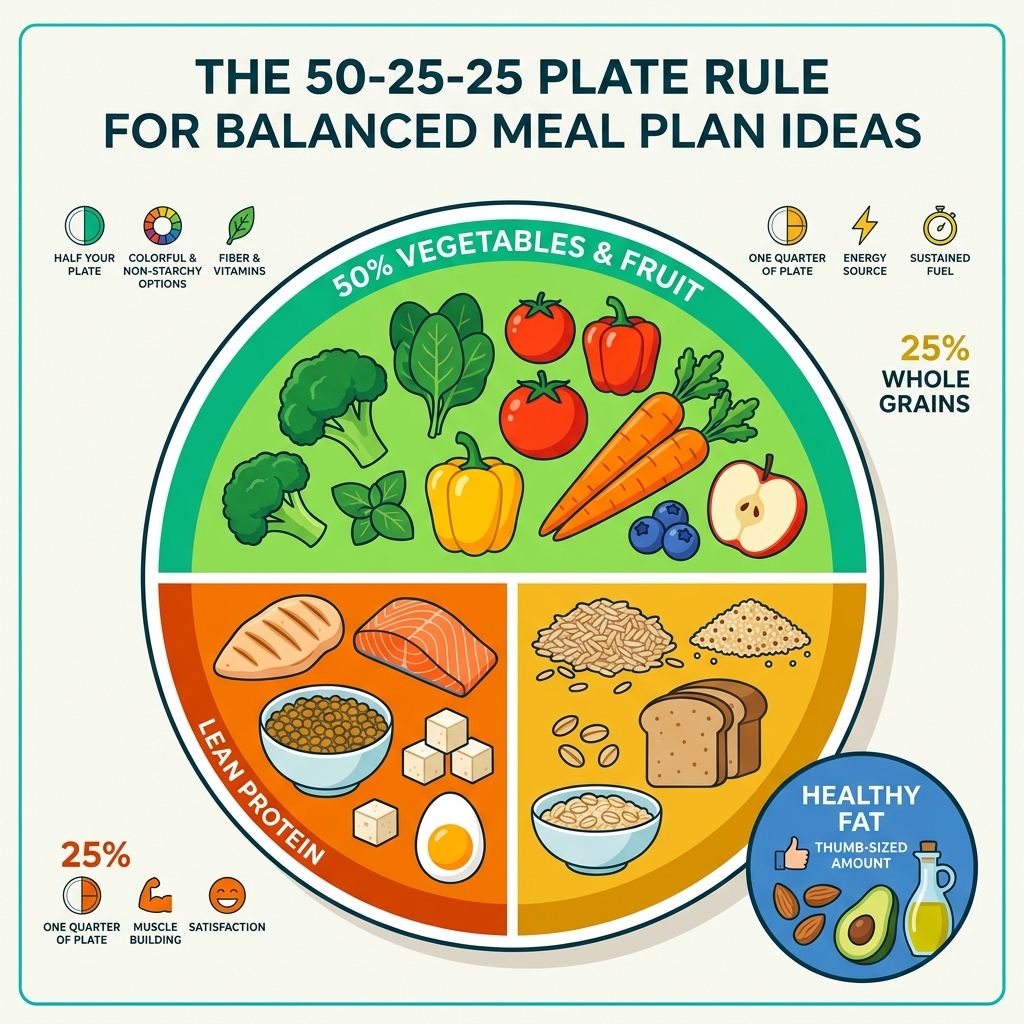
Here’s a quick overview of what a balanced meal plan looks like:
| Plate Section | What to Fill It With | Approximate Portion |
|---|---|---|
| Vegetables & Fruit | Colorful, non-starchy options | Half your plate |
| Lean Protein | Chicken, fish, beans, eggs, tofu | One quarter of plate |
| Whole Grains | Brown rice, quinoa, oats | One quarter of plate |
| Healthy Fat | Olive oil, avocado, nuts | Thumb-sized amount |
Most people know they should eat better. But between packed schedules, decision fatigue, and conflicting nutrition advice, it rarely happens consistently.
The good news? You don’t need to be a chef or count every calorie to build a truly healthy diet.
Research backs this up. Men who followed a high-quality diet pattern were nearly 40% less likely to develop cardiovascular disease. Women saw close to a 30% reduction in risk. These aren’t numbers from a strict elimination diet — they come from balanced, whole-food eating patterns.
The key is having a clear framework before you open the fridge.
This guide walks you through exactly how to build one — from understanding your plate proportions to mapping out a full week of meals you’ll actually enjoy.
The Core Principles of balanced meal plan ideas
When we talk about balanced meal plan ideas, we aren’t talking about a “diet” in the restrictive sense. Instead, we are looking at a way of eating that focuses on nutrient synergy—the idea that nutrients work better when consumed together in whole-food forms. Think of your diet like a choir; while one voice is beautiful, the full harmony of proteins, fats, and fibers creates the most powerful impact on your health.
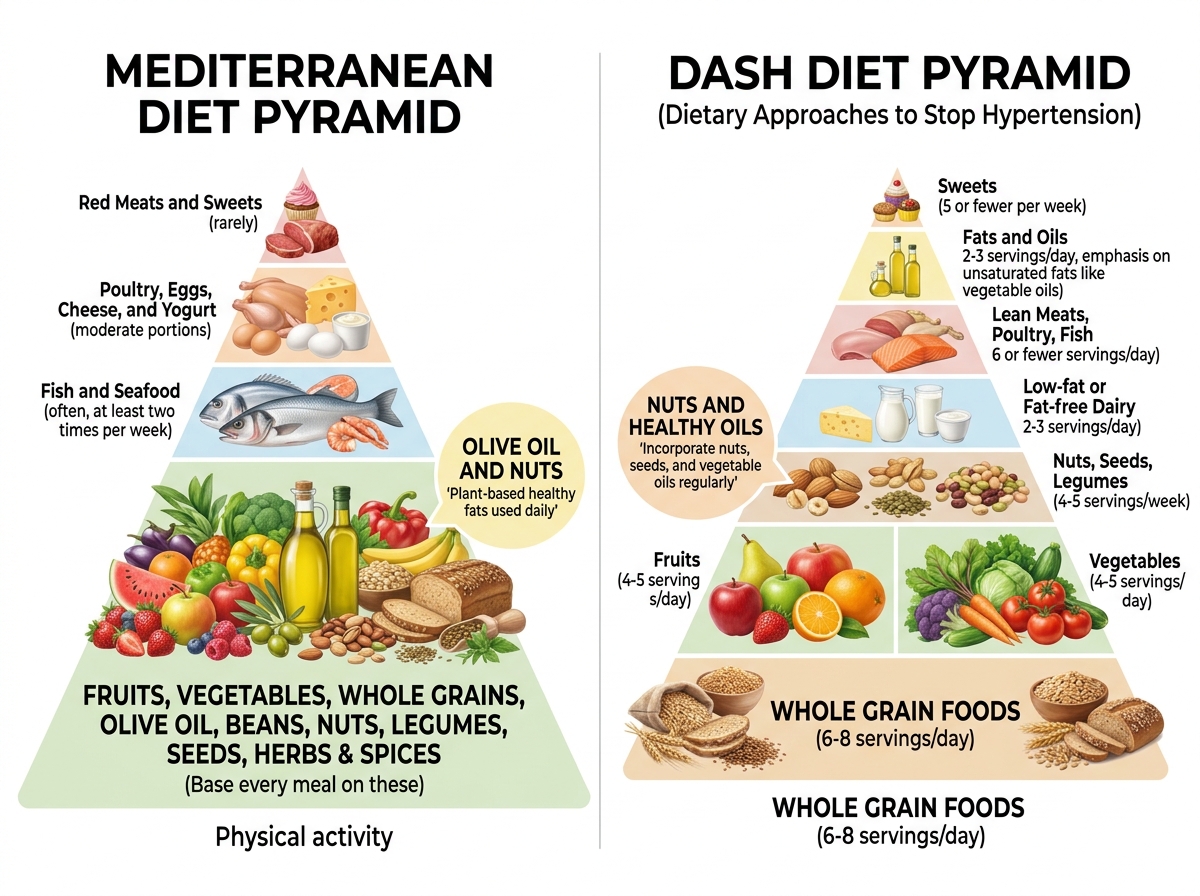
The most successful balanced plans, such as the Mediterranean and DASH (Dietary Approaches to Stop Hypertension) diets, share a common foundation: they prioritize plants, healthy fats, and minimally processed ingredients. For example, the Healthy Eating Plate guide developed by Harvard experts emphasizes that the type of carbohydrate is more important than the amount. Choosing whole grains over refined white bread can significantly stabilize your blood sugar and keep you full longer.
The rewards for this approach are substantial. Scientific research on chronic disease risk reduction has shown that men whose diets closely followed healthy eating guidelines were 20% less likely to develop major chronic diseases compared to those with low scores. For a deeper dive into these basics, check out our more info about balanced diet plans for beginners.
Understanding Serving vs. Portion Sizes
One of the biggest hurdles in maintaining a balanced diet is the confusion between “serving size” and “portion size.”
- Serving Size: This is a standardized amount of food, often found on nutrition labels. It’s a reference point to help you understand the calories and nutrients in a specific quantity.
- Portion Size: This is the amount of food you actually choose to put on your plate.
In many restaurants, a single portion can actually contain three or four standard servings! To keep your balanced meal plan ideas on track without carrying a kitchen scale everywhere, we recommend using hand-based portion cues:
- Protein: A portion the size of your palm.
- Vegetables: Two fist-sized portions.
- Carbohydrates: One cupped-hand portion.
- Healthy Fats: A portion the size of your thumb.
| Food Item | Standard Restaurant Plate | Balanced Home-Cooked Plate |
|---|---|---|
| Steak/Protein | 10–12 oz (900+ calories) | 4 oz (approx. 250 calories) |
| Starch (Potato/Rice) | 2 cups (400 calories) | 1/2 cup (100 calories) |
| Vegetables | Garnish only | 1.5 cups (75 calories) |
| Total Calories | 1,300+ | Approx. 425 |
Key Food Groups for Every Plate
To ensure you’re getting a full spectrum of vitamins and minerals, every meal should ideally include four key components. This variety isn’t just for nutrition; it’s the “spice of dinner” that prevents boredom.
- Lean Proteins: Think skinless poultry, fish rich in omega-3s, beans, lentils, or tofu. These provide the building blocks for muscle and keep you satiated.
- Whole Grains: Quinoa, brown rice, and oats are “slow carbs” that provide steady energy.
- Non-Starchy Vegetables: Fill half your plate with leafy greens, broccoli, peppers, or carrots. Potatoes are often treated as a starch rather than a vegetable due to their impact on blood sugar.
- Healthy Plant Oils: Use liquid oils like extra virgin olive oil or canola oil rather than butter or trans fats.
For more strategies on how to combine these, read our more info about meal planning for nutrition.
Step-by-Step Guide to Creating Your Weekly Plan
The secret to a successful week of eating isn’t willpower; it’s reducing decision fatigue. When you arrive home at 6:00 PM after a long day, the last thing you want to do is “decide” what’s for dinner. That is when the takeout menu becomes far too tempting.
By mapping out your balanced meal plan ideas in advance, you put your nutrition on autopilot. We suggest starting small: plan just three days at a time, or focus on prepping the meal you struggle with most—usually lunch or breakfast. Batch cooking is your best friend here. Cooking a large pot of quinoa or roasting two trays of vegetables on a Sunday can save you hours during the week. Find more tips in the ultimate guide to meal prep for weight loss.
Sample 7-Day balanced meal plan ideas
Here is a realistic 7-day template that prioritizes high protein and high fiber (aiming for roughly 2,000 calories, though you can adjust portions based on your needs).
- Day 1:
- Breakfast: Tofu scramble with spinach and whole-grain toast.
- Lunch: Chicken salad wrap with plenty of crunchy veggies.
- Dinner: Sheet pan crispy chicken tacos with cabbage slaw.
- Day 2:
- Breakfast: Greek yogurt with berries and a sprinkle of chia seeds.
- Lunch: Leftover chicken tacos (repurposed into a taco bowl).
- Dinner: Baked salmon with balsamic butter and roasted asparagus.
- Day 3:
- Breakfast: Sun-dried tomato and feta egg bites (prepped on Sunday).
- Lunch: One-pot chicken and rice soup.
- Dinner: Vegetarian spaghetti with a massive side of sautéed spinach.
- Day 4:
- Breakfast: Steel-cut oats with flaxseed and blueberries.
- Lunch: Leftover veggie spaghetti.
- Dinner: Roasted turkey burger (99% lean) on a whole-grain bun with a side salad.
- Day 5:
- Breakfast: Whole-grain toast with nut butter and a small smoothie.
- Lunch: Tuna and spiced quinoa salad.
- Dinner: Cod with lentils and a lemon-herb salsa verde.
- Day 6:
- Breakfast: Pumpkin quinoa blueberry bowl.
- Lunch: Hummus and grilled vegetable wrap.
- Dinner: Mediterranean-style heart-healthy pizza with a cauliflower crust.
- Day 7:
- Breakfast: Omelet with mushrooms, peppers, and onions.
- Lunch: Quinoa and black bean burger with roasted beets.
- Dinner: Slow-cooker chicken stew with root vegetables.
For more inspiration, explore these Mediterranean diet recipes and meal ideas.
Customizing balanced meal plan ideas for Your Lifestyle
We know that one size does not fit all. Your balanced meal plan ideas should be as unique as your schedule.
- Vegetarian/Vegan: Swap animal proteins for tempeh, tofu, edamame, or extra beans. Ensure you’re still hitting that “quarter-plate” protein goal to maintain muscle mass and satiety.
- Gluten-Free: Focus on naturally gluten-free grains like quinoa, brown rice, buckwheat, or amaranth. Quinoa is particularly excellent because it’s a complete protein and has a low glycemic index.
- Calorie Adjustments: If your goal is weight loss, focus on increasing the vegetable portion (fiber) and slightly reducing the grain portion. If you are highly active, you may need to add an extra snack, such as a handful of almonds or a piece of fruit with cottage cheese.
Learn more about tailoring your intake in our nutrition guide for weight management.
Practical Tips for Sustainable Healthy Eating
Sustainability is the most important part of any plan. If you can’t see yourself eating this way in six months, it’s not the right plan for you. One of the best ways to stay consistent is to allow for “wiggle room.” Many dietitians recommend a plan that covers about 1,500 to 2,000 calories, leaving a small buffer for a glass of wine or a shared dessert a few times a week.
Another pillar of sustainability is fiber. Fiber is found in fruits, vegetables, beans, and whole grains. It doesn’t just improve digestion; it keeps you full, which prevents the mid-afternoon “vending machine raid.” The USDA recommends about 28g of fiber daily for a 2,000-calorie diet. When increasing fiber, do it gradually and drink plenty of water to avoid digestive discomfort. Get started with these healthy meal prep ideas for a week of delicious dishes.
Smart Grocery Shopping and Preparation
A healthy meal starts at the grocery store. If it’s in your pantry, you’ll eventually eat it—so fill your environment with success.
- Group Your List: Organize your list by the layout of the store (Produce, Proteins, Grains, Dairy). This prevents you from wandering into the processed snack aisles.
- Pantry Staples: Keep items like canned beans (rinse them to reduce sodium by up to 40%!), brown rice, quinoa, and low-sodium broth on hand.
- Frozen is Fine: Frozen vegetables and fruits are often just as nutritious as fresh because they are picked and frozen at peak ripeness. They are also a great way to reduce food waste.
- Pre-Cut Convenience: If you are short on time, don’t feel guilty about buying pre-washed greens or pre-chopped onions. The extra cost is often worth the time saved.
For more shopping hacks, see our more info about meal planning tips for weight loss.
Reducing Unhealthy Fats and Refined Carbs
To truly maximize the benefits of your balanced meal plan ideas, we need to look at what to limit.
- Swap the Fats: Replace saturated fats (like butter or palm oil) with unsaturated fats. Extra virgin olive oil (EVOO) is the gold standard here. Unlike regular olive oil, EVOO is rich in antioxidants that protect your heart and brain.
- Watch the Sodium: The DASH diet has proven that reducing sodium can significantly lower blood pressure. Look for “low-sodium” or “no-salt-added” versions of canned goods and condiments.
- Refined Carbs vs. Whole Grains: Refined carbs (white bread, sugary cereals) cause blood sugar spikes and offer little fiber. Whole grains provide a slow release of energy.
A scientific study on diet quality and mortality involving over 7,000 participants found that those with the highest scores for diet quality had a 25% lower risk of dying from any cause. Quality matters!
Frequently Asked Questions about Balanced Eating
Do I need to count calories to see results?
The short answer is: no. While calories do matter for weight management, many people find that focusing on plate composition and hunger cues is more sustainable. When you fill half your plate with vegetables and prioritize protein and fiber, you naturally consume fewer calories because these foods are more filling. Listen to your body—eat when you’re hungry, and stop when you’re satisfied, not “stuffed.” For more on this, check out our more info about weight loss meal plan ideas.
How can I reduce sodium without losing flavor?
Sodium is a learned preference. As you reduce it, your taste buds will actually become more sensitive to it! In the meantime:
- Use fresh herbs like cilantro, basil, and parsley.
- Experiment with spices like cumin, smoked paprika, or turmeric.
- Use citrus (lemon or lime juice) to “brighten” the flavor of a dish without salt.
- Always rinse canned beans and vegetables.
What role does physical activity play alongside nutrition?
Nutrition and exercise are two sides of the same coin. While your balanced meal plan ideas provide the fuel, physical activity helps your body use that fuel efficiently. You don’t need to run marathons; even 30 minutes of brisk walking, yoga, or swimming can improve metabolic health and mood. Pairing balanced eating with regular movement is the most effective way to see long-term wellness results.
Conclusion
Mapping out balanced meal plan ideas isn’t about perfection; it’s about progress. By focusing on whole foods, sensible portions, and a bit of weekly preparation, you can drastically reduce your risk of chronic disease and improve your daily energy levels. Every meal is a fresh start. If you have an off-plan lunch, don’t let it derail your whole day—just get back to your balanced plate at dinner.
At Quintal Florido, we believe that evidence-based nutrition should be accessible and delicious. By using the frameworks in this guide, you’re not just planning meals; you’re planning for a longer, healthier life. Ready to take the next step? Explore more expert nutrition tips on our blog.
