
Why Balanced Vegetarian Meal Ideas Matter More Than You Think
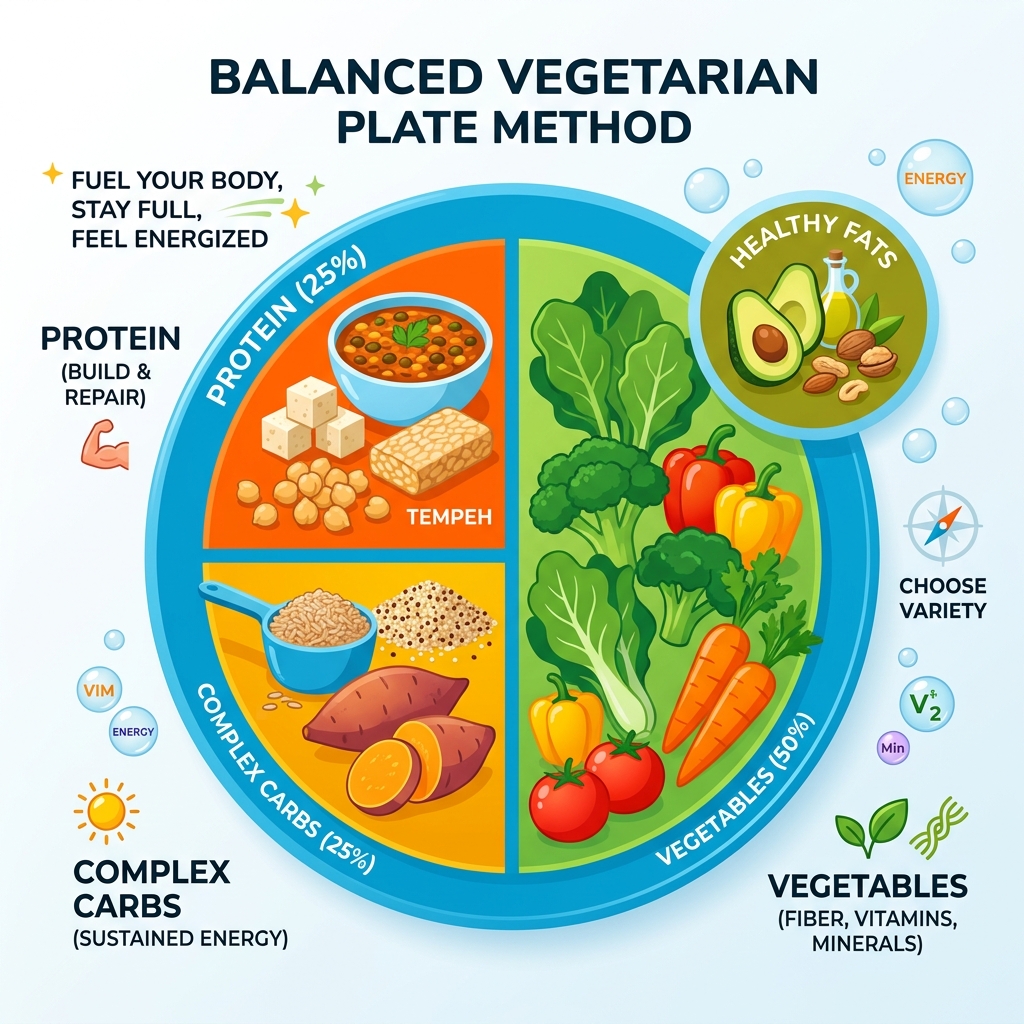
Balanced vegetarian meal ideas are meals that combine plant-based protein, complex carbs, healthy fats, and fiber in a single dish — keeping you full, energized, and nourished without meat. This approach is supported by the Healthy Eating Plate model, which highlights the importance of nutrient density.
Here’s a quick look at what makes a vegetarian meal truly balanced:
| Component | Why It Matters | Examples |
|---|---|---|
| Protein | Builds muscle, reduces hunger | Lentils, tofu, chickpeas, tempeh |
| Complex Carbs | Sustained energy | Brown rice, quinoa, sweet potato |
| Healthy Fats | Nutrient absorption, satiety | Avocado, olive oil, nuts |
| Fiber | Digestion, blood sugar control | Beans, vegetables, whole grains |
| Micronutrients | Overall health | Leafy greens, bell peppers, seeds |
A lot of people assume vegetarian meals are just salads or side dishes. They’re not. A well-built plant-based meal can deliver 20+ grams of protein per serving and keep you just as satisfied as any meat-based dish.
The key is knowing what to combine — and that’s exactly what this list covers.
Whether you’re a busy parent with 30 minutes to cook or someone meal prepping for the week, there’s a balanced plant-based option here for you.
What Makes a Vegetarian Meal Balanced and Satisfying?
When we talk about balanced vegetarian meal ideas, we are looking at more than just removing meat from a plate. To feel truly satisfied, our bodies require a specific synergy of macronutrients. The “Satiety Index” suggests that foods high in protein and fiber are the most effective at keeping us full.
A balanced plate should ideally consist of:
- Protein: Essential for muscle repair and hormone production. Plant-based sources like tofu and lentils take longer to digest than simple carbs, preventing that “empty” feeling an hour after eating.
- Complex Carbohydrates: Unlike refined white bread or sugary pasta, complex carbs like sweet potatoes and oats provide a slow release of glucose, which is vital for blood sugar regulation.
- Healthy Fats: Fats from sources like avocado, olive oil, and nuts are not just for flavor; they are necessary for the absorption of fat-soluble vitamins (A, D, E, and K).
- Dietary Fiber: Found in abundance in vegetables and legumes, fiber adds bulk to your meals and supports a healthy gut microbiome.
By focusing on these pillars, you can move beyond the misconception that vegetarian food is just “rabbit food.” For more foundational advice on transitioning to this lifestyle, check out our plant-based diet tips.
High-Protein Balanced Vegetarian Meal Ideas
One of the most common questions we hear is: “Where do you get your protein?” The truth is, many plant-based ingredients are nutritional powerhouses. Research shows that recipes like Vegetarian Shepherd’s Pie with beans and tempeh or Greek-inspired Falafel Bowls can easily provide 20g to 26g of protein per serving.
To help you visualize the protein potential of common staples, look at the comparisons below:
| Plant Protein Source | Protein per 100g (Cooked) | Key Benefit |
|---|---|---|
| Tempeh | ~19g | Fermented, high in probiotics |
| Tofu (Firm) | ~8-10g | Highly versatile, absorbs flavors |
| Lentils | ~9g | High fiber, great for heart health |
| Chickpeas | ~8.5g | Excellent for roasting and dips |
Some of our favorite high-protein balanced vegetarian meal ideas include:
- Vegetarian Shepherd’s Pie: Using a mix of lentils and crumbled tempeh creates a “meaty” texture that satisfies even the most dedicated carnivores.
- Tempeh Burrito Bowls: A single bowl can deliver 26g of protein. By combining marinated tempeh with black beans and quinoa, you hit your protein targets while enjoying a fiesta of flavors.
- Greek-Inspired Baked Falafel Bowl: When baked rather than fried, and served with a dollop of Greek yogurt or hummus, this meal offers 25g of protein and a wealth of Mediterranean micronutrients.
Discover more incredibly simple vegan dishes you’ll love to keep your high-protein journey exciting.
Building Balanced Vegetarian Meal Ideas with Legumes
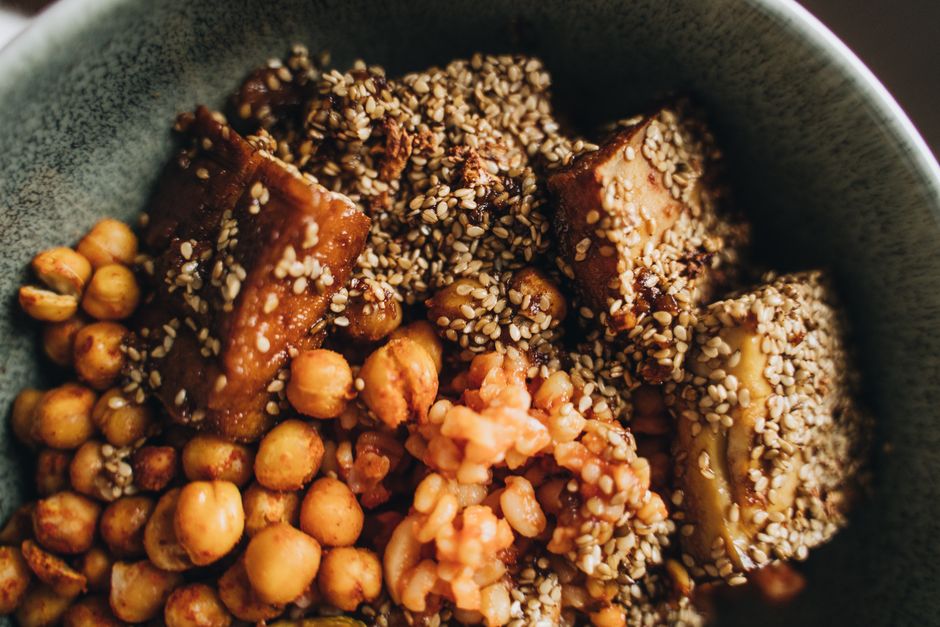
Legumes are the backbone of affordable, plant-based nutrition. Black beans, chickpeas, and red lentils are not only high in protein but are also loaded with iron and zinc.
To maximize the benefits of legumes:
- Pair with Vitamin C: Iron from plant sources (non-heme iron) is absorbed better when eaten with Vitamin C. Try adding a squeeze of lime to your black bean tacos or bell peppers to your lentil soup.
- Digestive Ease: If you are new to legumes, start with red lentils, which are easier on the digestive system than larger beans.
- Texture Matters: Use chickpeas for crunch (roasted) and black beans for creaminess (sautéed).
For deeper insights into optimizing your nutrient intake, read our plant-based diet tips 2.
High-Protein Grains for Balanced Vegetarian Meal Ideas
Not all grains are created equal. While white rice is a pantry staple, swapping it for ancient grains can significantly boost your meal’s balance.
- Quinoa: A rare plant source that is a “complete protein,” meaning it contains all nine essential amino acids.
- Farro: A chewy, nutty grain that is higher in protein and fiber than modern wheat.
- Buckwheat: Despite the name, it is gluten-free and offers a robust amino acid profile.
- Brown Rice: Provides 19g of dietary fiber per serving when combined with beans in a burrito bowl, supporting 76% of your daily value (DV).
Quick 30-Minute Dinners for Busy Weeknights
We know that life gets hectic. You don’t need hours in the kitchen to produce balanced vegetarian meal ideas. Many of the most satisfying meals can be assembled in the time it takes to watch a sitcom.
- Miso Peanut Ramen: Use silken tofu in the sauce for a creamy, high-protein boost. Add frozen edamame and bok choy for a 20-minute win.
- 20-Minute Green Pasta: Blend spinach, garlic, and silken tofu to create a vibrant, protein-packed sauce that clings to whole-grain noodles.
- Vegetable Stir-fry: Utilize frozen vegetable mixes and pre-pressed tofu. Toss with ginger, soy sauce, and sesame oil for a meal that’s faster than takeout.
- Sheet Pan Fajitas: Toss bell peppers, onions, and portobello mushrooms in fajita seasoning. Roast at 400°F (200°C) for 20 minutes and serve with warm tortillas and avocado.
For more inspiration on fast cooking, explore these quick vegetarian recipes at home.
Flavorful and Balanced Vegetarian Meal Ideas: Tacos and Wraps
Tacos are perhaps the most customizable balanced vegetarian meal ideas available. They allow you to layer textures and flavors easily.
- Sweet Potato Tacos: Roast diced sweet potatoes with cumin and chili powder. The natural sweetness pairs perfectly with salty feta or a tangy lime slaw.
- Crispy Tofu Wraps: Air-fry tofu nuggets until golden and wrap them in a whole-wheat tortilla with plenty of greens and a “Green Goddess” dressing.
- The Magic of Toppings: Use chipotle peppers in adobo mixed with Greek yogurt for a smoky, high-protein crema. This simple addition can make a vegetarian meal feel “meaty” and indulgent.
Check out these incredibly simple vegan dishes you’ll love 2 for more handheld meal ideas.
Meal Prep Strategies for Wholesome Plant-Based Eating
Success in a vegetarian diet often comes down to preparation. Batch cooking is the secret weapon of the healthy eater. By spending 90 minutes on a Sunday, you can ensure you have balanced vegetarian meal ideas ready all week long.
Our Top Meal Prep Tips:
- Component Cooking: Instead of making five identical meals, cook individual components. Roast a huge tray of veggies, cook a pot of quinoa, and marinate a block of tofu. This allows you to mix and match flavors so you don’t get bored.
- Smart Storage: Use airtight glass containers. They keep food fresher for longer and can go straight from the fridge to the microwave.
- Reheating Secrets: To keep roasted vegetables from getting soggy, reheat them in an air fryer or toaster oven for 3-5 minutes rather than the microwave.
- Fresh Elements: Always store “wet” items like dressings or fresh avocado separately. Add them just before eating to maintain the best texture.
Learn how to master your routine with our guide on delicious vegan meal prep for the week.
Customizing Your Balanced Vegetarian Meal Prep Bowls
The beauty of a “bowl” meal is its versatility. You can adapt any base to suit different dietary needs or flavor cravings.
- The Base: Swap rice for cauliflower rice for a low-carb option, or use massaged kale for a nutrient-dense salad base.
- The Protein: If you’re tired of beans, try crumbled tempeh or “taco meat” made from walnuts and mushrooms.
- The Crunch: Never underestimate the power of toppings. Pumpkin seeds, toasted almonds, or pickled red onions add the necessary texture that makes a meal feel “finished.”
- Vegan Swaps: Easily make any bowl vegan by using nutritional yeast instead of parmesan or cashew cream instead of sour cream.
For more creative combinations, see our delicious vegan meal prep inspiration.
Frequently Asked Questions about Vegetarian Meals
How can I make vegetarian meals more filling?
The “secret” to fullness is the combination of fiber and healthy fats. While a salad might feel light, adding half an avocado and a handful of chickpeas increases the satiety significantly. Whole grains like farro or brown rice also provide bulk that takes longer for your body to process, preventing mid-afternoon energy crashes.
What are the best plant-based protein sources for dinner?
For a hearty dinner, we recommend:
- Tempeh and Seitan: These have a dense, “meaty” texture.
- Lentils and Chickpeas: Perfect for stews, curries, and bowls.
- Edamame: A great addition to stir-fries or as a side.
- Greek Yogurt and Eggs: If you are not vegan, these are excellent high-protein additions to breakfast-for-dinner or bowl toppings.
Can I get enough protein on a vegetarian diet?
Absolutely. By incorporating balanced vegetarian meal ideas that focus on variety, you can easily exceed 50-60 grams of protein a day. Recipes like our Chickpea Buddha Bowl provide 22g of protein in a single serving. Using nutritional yeast as a seasoning also adds a boost of B-vitamins and a few extra grams of protein to any dish.
Conclusion
At Quintal Florido, we believe that healthy eating shouldn’t be a chore or a mystery. By focusing on balanced vegetarian meal ideas, you aren’t just eating “meat-free”—you are fueling your body with evidence-based nutrition that supports long-term health. Whether you are looking to lower your cholesterol, increase your energy, or simply try something new, the plant kingdom offers everything you need.
Start small, try one new recipe a week, and soon you’ll find that wholesome, plant-forward eating becomes second nature. For more expert advice, explore our nutrition tips and guides.
