
Why Planning Diet Food Breakfast Lunch and Dinner Changes Everything
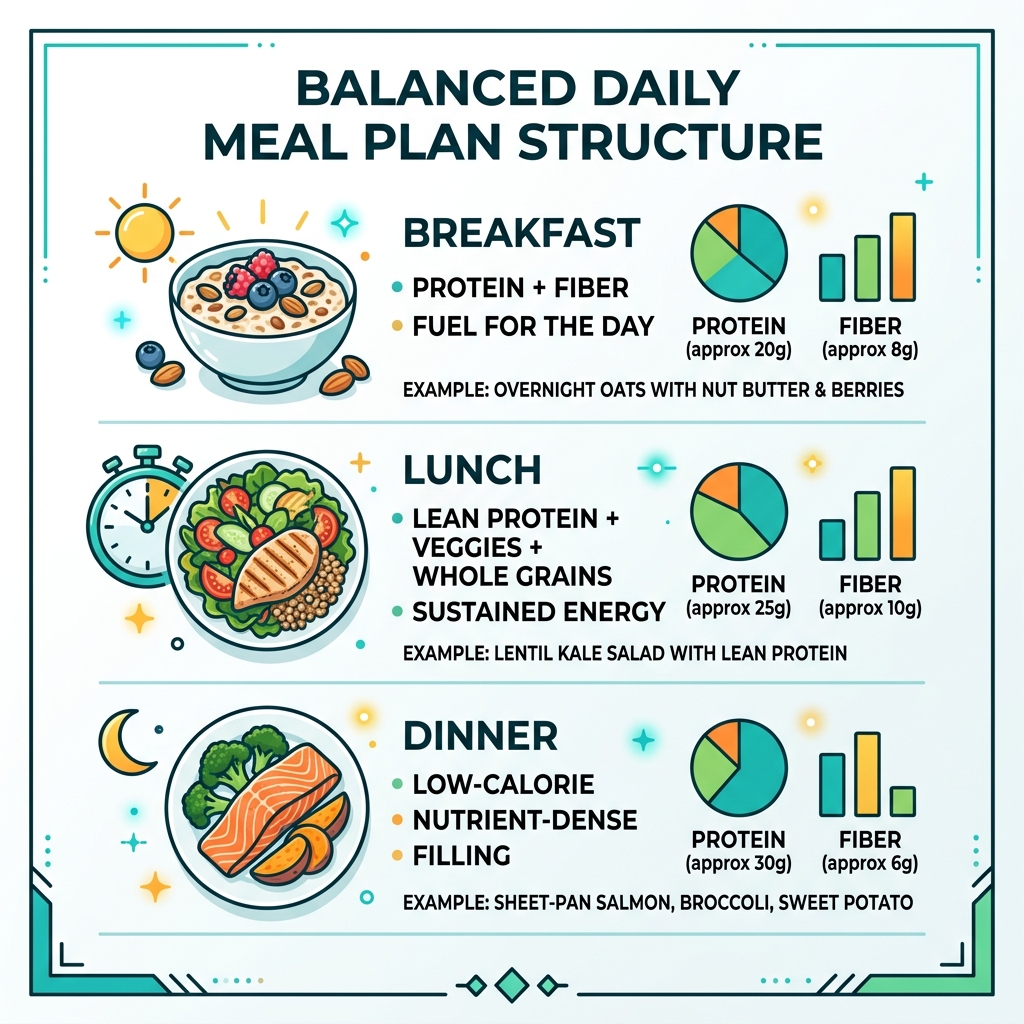
Diet food breakfast lunch and dinner doesn’t have to mean bland meals or complicated rules. Here’s a quick snapshot of what balanced daily eating actually looks like:
| Meal | Key Focus | Quick Example |
|---|---|---|
| Breakfast | Protein + fiber to start strong | Overnight oats with nut butter (18g protein) |
| Lunch | Lean protein + veggies + whole grains | Lentil kale salad (11g fiber) |
| Dinner | Low-calorie, filling, nutrient-dense | Sheet-pan salmon with broccoli and sweet potato |
Most people know they should eat better. But between work, family, and a packed schedule, healthy eating is often the first thing to slip.
The result? A cycle of fast food, takeout, and energy crashes — followed by guilt and a fresh attempt to “eat clean” starting Monday.
Here’s the truth: you don’t need a perfect diet. You need a simple, repeatable system for breakfast, lunch, and dinner that fits your real life.
Research consistently shows that meals built around lean protein, dietary fiber, and whole grains keep you fuller longer, support healthy weight management, and give you steady energy throughout the day. The 2020-2025 Dietary Guidelines for Americans even flags fiber as a key nutrient most people aren’t getting enough of — with a daily target of 28 grams for a 2,000-calorie diet.
This guide breaks it all down — meal by meal, without the overwhelm.
The Essentials of Diet Food Breakfast Lunch and Dinner
When we talk about diet food breakfast lunch and dinner, we aren’t talking about “dieting” in the restrictive sense. We are talking about fueling our bodies with intention. At Quintal Florido, we believe the foundation of any sustainable eating plan rests on four pillars: lean protein, dietary fiber, healthy fats, and whole grains.
Lean proteins, such as chicken, fish, beans, and tofu, are the building blocks of our muscles and keep our metabolism humming. Dietary fiber, found in abundance in vegetables and legumes, acts like a natural “broom” for our digestive system while keeping us satisfied. Healthy fats from avocados, nuts, and olive oil support brain health and nutrient absorption.
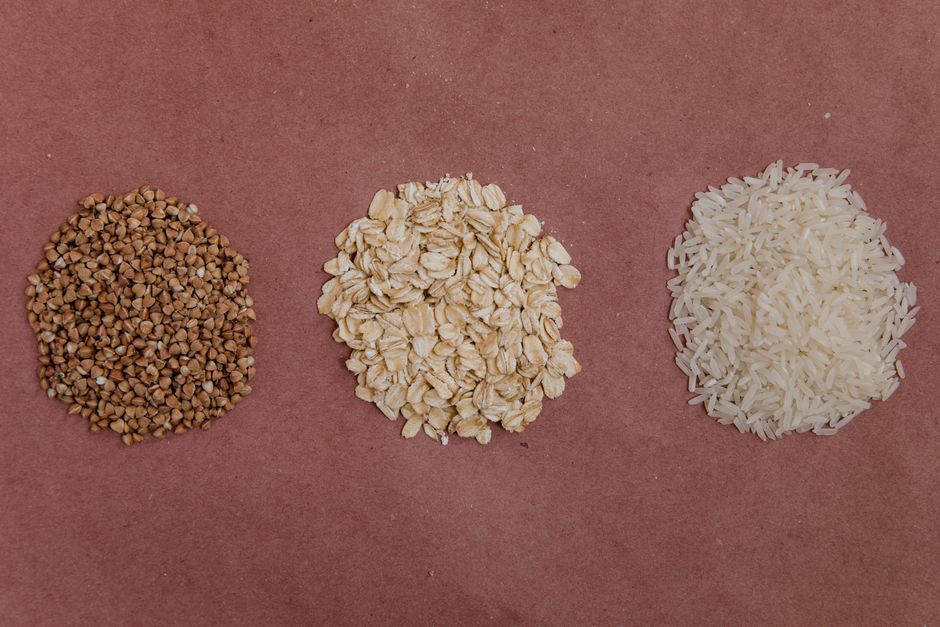
Finally, whole grains like quinoa and brown rice provide the complex carbohydrates needed for sustained energy. Quinoa is particularly impressive because it contains all nine essential amino acids, making it a complete plant-based protein. Brown rice and oats are also superstars, offering more fiber and nutrients than their refined counterparts. To see why your first meal is the perfect place to start, check out our guide on How to Build a Better Breakfast for a Balanced Life.
The Role of Fiber and Protein in Satiety
Have you ever eaten a massive bowl of sugary cereal, only to be starving an hour later? That’s because it lacked the “satiety duo”: fiber and protein.
Soluble fiber, like the beta-glucan found in oats, creates a gel-like substance in your gut. This slows down digestion and the release of sugar into your bloodstream. Not only does this help lower cholesterol levels and reduce the risk of heart disease, but it also signals your brain that you are full.
Protein takes it a step further by suppressing ghrelin—the “hunger hormone”—and stimulating hormones that make you feel satisfied. This combination is essential for muscle preservation, especially if you are aiming for weight loss. When we eat enough protein, our bodies are less likely to break down muscle for energy. For more on starting your day with these power nutrients, read Why Your Morning Needs These Balanced Breakfast Recipes.
| Grain Type | Fiber Content | Key Benefit |
|---|---|---|
| Whole Grains (Quinoa, Oats) | High | Sustained energy & fullness |
| Refined Grains (White Bread) | Low | Quick energy spike & crash |
Morning Fuel: Energizing Breakfast Options
Breakfast really is the MVP of diet food breakfast lunch and dinner. It sets the metabolic tone for the rest of your day. If you’re stuck in an “oat rut,” don’t worry—we’ve been there too! The key is variety.
Greek yogurt parfaits are a fantastic option because Greek yogurt is packed with more protein than regular yogurt and provides calcium for strong bones. Layer it with fresh berries and a sprinkle of nuts for a gut-friendly start. If you prefer something warm, egg-based dishes like frittatas or crustless quiches are protein goldmines. You can even bake them in muffin tins for easy, “grab-and-go” portions.
For a plant-forward morning, try chia pudding or smoothie bowls. Chia seeds are loaded with antioxidants and omega-3 fatty acids, which support heart health. If you are a fan of the classics, avocado toast topped with a poached egg or smashed white beans provides a perfect balance of healthy fats, fiber, and protein. Learn more in The Ultimate Guide to Losing Weight One Breakfast at a Time or explore Ready to Eat Balanced Breakfast Meals You Can Buy or Prep.
Quick and Nutritious Diet Food Breakfast Lunch and Dinner Ideas
We know mornings can be chaotic. That’s where make-ahead meals save the day. Overnight oats are a literal “set it and forget it” breakfast. By mixing oats with soy milk or yogurt and letting them sit overnight, you create a creamy, no-cook meal.
Our favorite version—High-Protein Strawberry & Peanut Butter Overnight Oats—provides a whopping 18 grams of protein per serving! If you need something portable, breakfast burritos filled with eggs, black beans, and veggies can be prepped on Sunday, frozen, and reheated in minutes. Adding a tablespoon of flax seeds or nut butter to your morning meal is a simple way to boost healthy fats without extra effort. For those particularly frantic Mondays, check out these Easy Breakfast Ideas for Busy Mornings.
Mid-Day Balance: Nutritious Lunch Recipes
Lunch is often the “danger zone” where we succumb to the siren call of the office vending machine or nearby fast food. The secret to a successful diet lunch is to combine lean protein with high-fiber vegetables.
Chickpeas and beans are our secret weapons. A Chopped Broccoli & Chickpea Salad is not only delicious but can be prepped in large batches. Another great option is the Roasted Squash & Lentil Kale Salad, which packs 11 grams of fiber per serving. Fiber is essential for weight management because it adds bulk to your meals without adding many calories.
If you’re a fan of sandwiches, try tuna lettuce wraps or a turkey breast sandwich on sprouted grain bread. For a cozy option, lentil soup is rich in plant-based protein and can be easily stored in a thermos. Mason jar salads are another brilliant hack; put the dressing at the bottom and the greens at the top to keep everything crisp until you’re ready to eat. Get more inspiration from our Work Week Healthy Lunch Prep Ideas and Pack a Healthier Lunch: Meal Prep Ideas for Work.
Balanced Diet Food Breakfast Lunch and Dinner Recipes
A balanced lunch box should look like a rainbow. Grilled chicken paired with roasted vegetables—like bell peppers, which support immunity with vitamins A and C—is a classic for a reason.
If you want to keep things interesting, try whole grain wraps filled with hummus, edamame, and shredded carrots. Hummus provides a creamy texture and extra protein without the heavy saturated fats of mayo. Edamame is a great snack or salad topper, offering a complete plant-based protein source. For more tips on building the perfect mid-day meal, see Mastering the Art of the Healthy Lunch Box.
Evening Satisfaction: Low-Calorie Dinner Solutions
Dinner should be satisfying enough to prevent late-night snacking but light enough that you don’t feel weighed down before bed. Salmon is a premier choice here; it’s rich in Omega-3 fatty acids and high-quality protein. Pair it with roasted sweet potatoes, which provide vitamin A and complex carbs.
Sheet-pan meals are our favorite way to save time. A sheet-pan miso-garlic chicken and broccoli dinner is low in calories but high in protein to support muscle recovery. Speaking of broccoli, did you know a Shrimp and Broccoli recipe can provide 132% of your daily Vitamin C?
Shrimp is a fantastic “diet” protein—one medium shrimp has only 7 calories! This allows you to eat a satisfying portion while keeping your total calorie count low. For a deep dive into evening meals, read The Ultimate Guide to Healthy and Balanced Dinner Ideas.
High-Protein and Plant-Based Dinner Alternatives
You don’t need meat to have a high-protein dinner. Tofu stir-fry with plenty of colorful veggies is a quick, nutrient-dense option. One serving of a Cauliflower Stir Fry can provide a staggering 221% of your daily Vitamin C!
Black bean bowls with cauliflower rice are another low-calorie, high-fiber alternative to traditional rice bowls. If you do eat fish but want something lighter than salmon, cod is an excellent low-calorie source of protein and Vitamin B12, which is essential for nerve function.
For those exploring a meat-free lifestyle, we have plenty of Easy Vegan Recipes for a Healthy Dinner and Simple Healthy Dinner Ideas to keep your palate excited.
Mastering Meal Prep and Avoiding Common Pitfalls
The biggest hurdle to maintaining a routine of diet food breakfast lunch and dinner is a lack of preparation. Batch cooking is your best friend. Spend a few hours on Sunday roasting vegetables, grilling chicken, or boiling eggs.
One common pitfall is “hidden” ingredients. Many store-bought dressings and sauces are loaded with added sugars and high sodium. The American Heart Association recommends no more than 6 teaspoons of added sugar per day for women and 9 for men, yet the average American consumes about 17! Always check your labels. High sodium can also lead to bloating and high blood pressure, so we recommend capping your daily intake at 2,300mg.
Meal Prep Essentials Checklist:
- Airtight glass containers (various sizes)
- A quality chef’s knife for veggie prep
- Mason jars for salads and oats
- A digital food scale for portion control
- A weekly grocery list to avoid impulse buys
For a more detailed strategy, revisit our Work Week Healthy Lunch Prep Ideas.
Customizing Your Diet for Long-Term Success
Sustainability is the name of the game. If you hate kale, don’t eat kale! There are always swaps. Vegetarian? Swap chicken for chickpeas or tofu. Gluten-free? Use quinoa or brown rice instead of whole-wheat pasta.
We also encourage you to listen to your hunger cues. Some days you might need a bit more protein; other days, you might crave more fresh fruit. Following Mediterranean principles—emphasizing plant-based foods, healthy fats like olive oil, and social eating—is a proven way to enjoy your food while staying healthy. Check out Our Top Picks for Healthy Well-Balanced Dinner Solutions for more ways to tailor your plan.
Frequently Asked Questions about Daily Dieting
How can I avoid added sugars in my daily meals?
The easiest way is to cook at home using whole ingredients. When buying packaged foods, look for “unsweetened” versions of almond milk or yogurt. Be wary of condiments like ketchup and BBQ sauce, which are often sugar bombs in disguise. Opt for spices, lemon juice, or vinegar to add flavor instead.
Is it okay to eat the same healthy meal every day?
Absolutely! If you find a breakfast or lunch you love, repeating it can simplify your life and help you stick to your goals. Just ensure that over the course of the week, you are getting a variety of different colored vegetables and different protein sources to ensure a wide range of micronutrients.
Why are 1,200-calorie diets often discouraged by experts?
Experts and the 2020-2025 Dietary Guidelines for Americans generally discourage 1,200-calorie plans because they are too low for most people to meet their basic nutritional needs. They are often unsustainable and can lead to muscle loss and a slowed metabolism. Most adults need at least 1,500 to 2,000 calories to function optimally and maintain long-term health.
Conclusion
At Quintal Florido, our mission is to make wholesome living accessible and delicious. Transitioning to a routine of diet food breakfast lunch and dinner isn’t about perfection; it’s about making better choices one meal at a time. By focusing on evidence-based nutrition—like prioritizing fiber and protein—you can build sustainable habits that last a lifetime.
Ready to take the next step in your wellness journey? Explore More info about nutrition tips to keep your kitchen inspired and your body thriving. The best diet is the one you actually enjoy eating!
