
Why Most People Struggle with Weight Loss (And How a Guide Can Help)
A weight loss nutrition guide gives you a clear, structured path to eating better — without the guesswork. Here’s what the research says actually works:
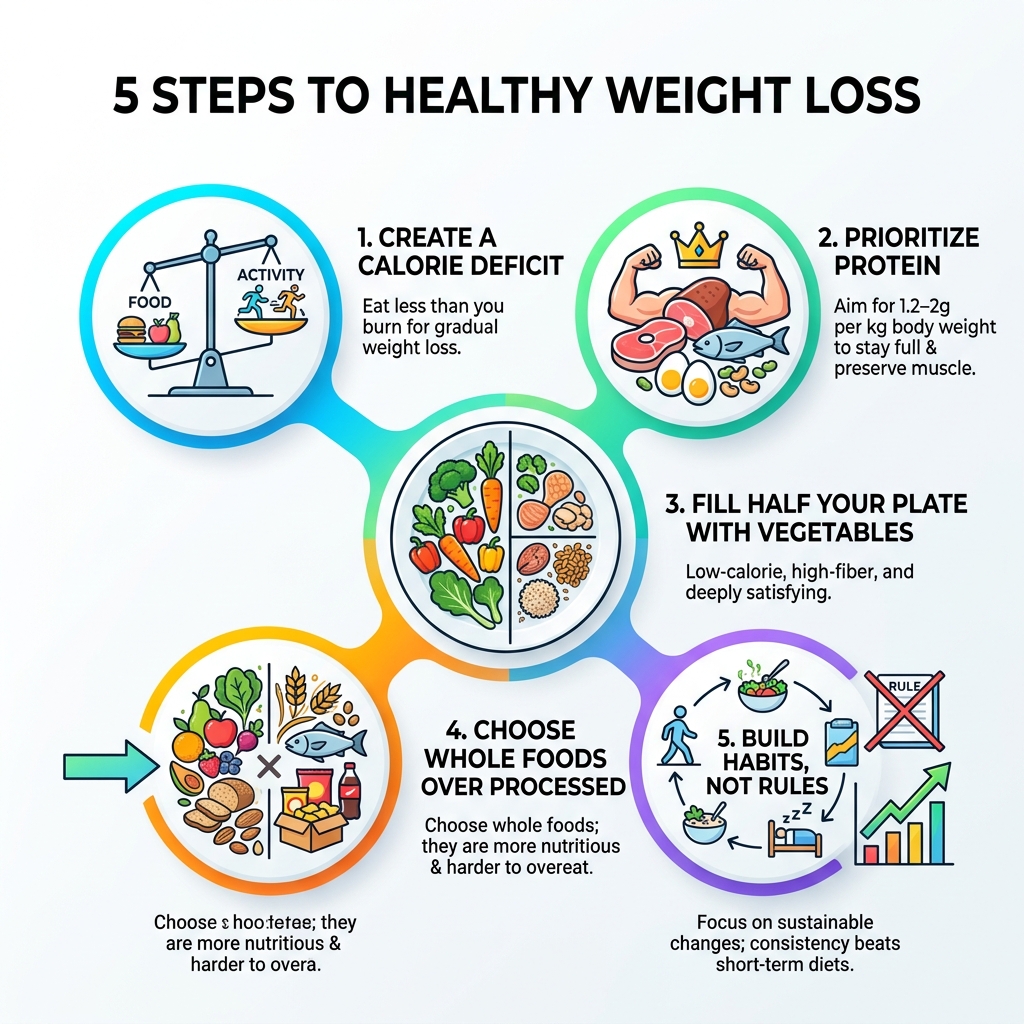
- Create a calorie deficit – Eat fewer calories than you burn. Even 500 fewer calories per day leads to about 1 pound of loss per week.
- Prioritize protein – Aim for 1.2–2g per kg of body weight daily to stay full and preserve muscle.
- Fill half your plate with vegetables – Low-calorie, high-fiber, and deeply satisfying.
- Choose whole foods over processed – They’re more nutritious and harder to overeat.
- Build habits, not rules – Sustainable changes beat short-term diets every time.
More than 650 million adults worldwide are living with obesity. That’s not a willpower problem — it’s an information and habits problem.
Most people know they should eat better. The real struggle is knowing exactly what to eat, how much, and how to keep it up when life gets busy.
The truth is simple: food not used for fuel gets stored as fat. But that doesn’t mean you need to count every calorie or cut out entire food groups. Research consistently shows that the best diet is the one you can actually stick to.
People with healthy eating patterns live longer and face lower risks of heart disease, type 2 diabetes, and obesity. And even modest weight loss — as little as 5% of your body weight — can meaningfully improve blood pressure, cholesterol, and blood sugar levels.
This guide cuts through the noise. Whether you have 10 minutes to cook or 10 pounds to lose, you’ll find practical, evidence-based strategies that fit your real life.
Core Principles of a Weight Loss Nutrition Guide
When we talk about a weight loss nutrition guide, we aren’t talking about a “quick fix” or a magic pill. Successful weight management is built on a foundation of scientific principles that govern how our bodies process energy.
The most fundamental principle is the energy deficit. To lose weight, you must consume fewer calories than your body uses for fuel. Research suggests that a daily deficit of 500 to 750 calories is generally effective for a steady weight loss of about 1 to 2 pounds per week. This gradual pace is crucial because “successful losers”—those who keep the weight off long-term—typically avoid the metabolic crashes associated with extreme starvation diets.
However, calories aren’t the only thing that matters. Nutrient density is the secret weapon of any effective weight loss nutrition guide. This means choosing foods that provide a high amount of vitamins, minerals, and fiber relative to their calorie count. According to Eating & Physical Activity to Lose or Maintain Weight – NIDDK, emphasizing fruits, vegetables, and whole grains ensures your body gets what it needs while you’re eating less.
Focusing on whole foods—items that are close to their natural state—naturally limits your intake of added sugars, sodium, and saturated fats. For more depth on how these choices impact your health, check out our more info about nutrition for weight management. By prioritizing satiety (the feeling of fullness) and metabolic health, we can work with our biology instead of against it.
The Role of Macronutrients in Your Weight Loss Nutrition Guide
Macronutrients—protein, carbohydrates, and fats—are the building blocks of your diet. Each plays a unique role in energy balance and how satisfied you feel after a meal.
Protein is often considered the “MVP” of weight loss. The “protein leverage hypothesis” suggests that humans will continue to eat until their protein needs are met. By increasing protein intake to roughly 20% to 35% of total calories, you can naturally reduce your overall calorie intake because protein is incredibly satiating. It also has a higher thermic effect, meaning your body burns more calories digesting protein than it does digesting fats or carbs. For practical ways to boost your intake, see our high-protein diet tips.
Complex carbohydrates and fiber are equally vital. Fiber stabilizes blood sugar and promotes a feeling of fullness in the stomach. Meanwhile, healthy fats (like those found in avocados, nuts, and olive oil) are essential for hormone production and nutrient absorption, though they should be eaten in moderation due to their high calorie density.
| Protein Source | Satiety Level | Muscle Preservation Benefit |
|---|---|---|
| Eggs | High | Excellent (High Leucine) |
| Chicken Breast | Very High | High (Lean) |
| Greek Yogurt | High | Moderate (Probiotics) |
| Lentils/Beans | High | Moderate (High Fiber) |
| Lean Beef | Very High | High (Iron/B12) |
Customizing Your Weight Loss Nutrition Guide for Long-Term Adherence
There is no “one-size-fits-all” diet. An individualized approach is the only way to ensure long-term success. If you hate kale, a diet based on kale will fail you in a week. We believe your plan should reflect your cultural preferences, budget, and personal “why”.
For those just starting, a balanced diet plan for beginners can help bridge the gap between current habits and future goals. You must also consider any medical conditions, such as type 2 diabetes or heart disease, which may require specific adjustments to sodium or sugar intake. Sustainability is the ultimate goal; if you can’t imagine eating this way five years from now, it’s not the right plan for you.
Evidence-Based Dietary Strategies for Success
While the principles remain the same, several structured dietary patterns have been backed by rigorous scientific research.
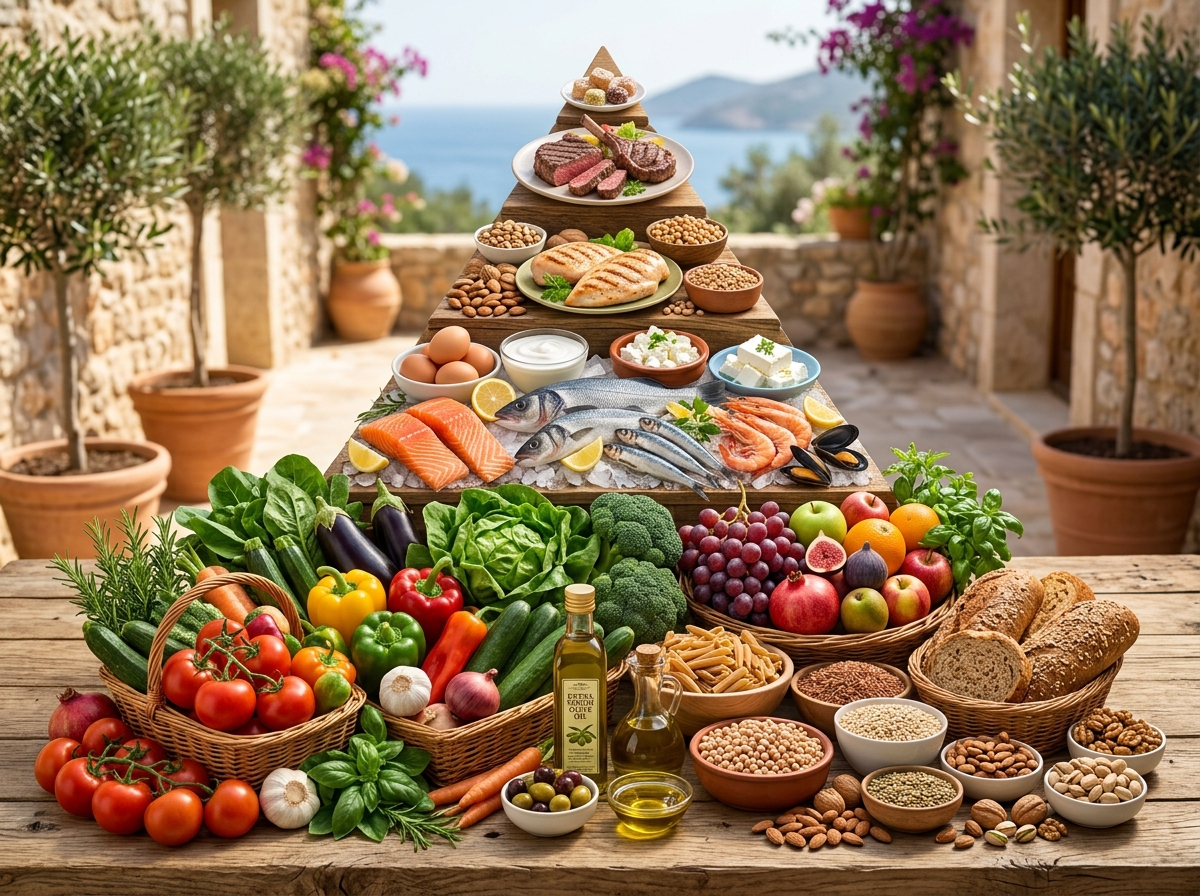
The Mediterranean diet is widely regarded as one of the healthiest patterns in the world. It emphasizes plant-based foods, healthy fats like olive oil, and lean proteins like fish. It’s not just about weight loss; it’s about reducing the risk of cardiovascular disease and cognitive decline. Similarly, the DASH diet (Dietary Approaches to Stop Hypertension) focuses on reducing sodium and increasing minerals like potassium and calcium.
Other popular strategies include:
- Low-carb vs. Low-fat: Large studies like the DIETFITS trial show that both can be effective as long as a calorie deficit is maintained. Low-carb diets often lead to faster initial water weight loss and better blood sugar control.
- Ketogenic Diet: This involves an extreme reduction in carbs (usually <50g/day) to force the body to burn fat for fuel. While effective for appetite suppression, it requires strict adherence.
- Intermittent Fasting: This isn’t a diet, but a timing strategy. Whether it’s the 16:8 method (16 hours fasting, 8 hours eating) or alternate-day fasting, it can help some people naturally reduce their calorie intake.
- Portfolio Diet: A plant-based approach specifically designed to lower cholesterol, though its weight loss effects are generally small (around -0.8kg to -1.2kg).
Meal Timing and Metabolic Health
When you eat may be almost as important as what you eat. Our bodies follow circadian rhythms that influence how we process insulin and burn energy.
Research indicates that eating a higher-calorie breakfast and tapering off intake toward the evening can support metabolic health. Skipping breakfast is often linked to overeating later in the day. To start your day right, dive into the ultimate guide to losing weight one breakfast at a time.
Overnight fasting (at least 12 hours between dinner and breakfast) allows insulin levels to drop low enough to encourage fat burning. Time-restricted eating is a practical way to implement this, focusing on a consistent “eating window” each day.
Practical Eating Habits and Lifestyle Integration
A weight loss nutrition guide is only as good as its implementation. Beyond food choices, your daily habits dictate your results.
Portion control is a major hurdle. In a world of “super-sized” meals, we’ve lost track of what a serving looks like. According to the Helpful Guidelines for Successful Weight Loss | UC Davis Health, a serving of meat should be about the size of a deck of cards, and a serving of fruit should be roughly the size of a tennis ball.
Mindful eating is another game-changer. It takes about 20 minutes for your brain to register that you are full. If you eat while watching TV or scrolling through your phone, you are likely to consume more calories without even realizing it. Try to eat slowly and eliminate distractions.
To make these habits stick, we recommend:
- Meal Prepping: Set yourself up for success by preparing healthy options in advance. Check out the ultimate guide to meal prep for weight loss for a step-by-step plan.
- Hydration: Drink at least 8 cups of water daily. Often, our brains confuse thirst for hunger.
- Sleep and Stress: Lack of sleep (less than 7 hours) alters hunger hormones like ghrelin and leptin, making you crave sugary foods. Stress management is equally vital to prevent emotional eating.
Smart Food Choices and Healthy Swaps
Making better choices doesn’t mean deprivation; it means being strategic. For a comprehensive list, see our guide on the best foods for healthy weight loss.
Vegetable Preparation: Instead of frying, try steaming, roasting, or sautéing with a light cooking spray. Use herbs like rosemary or lemon juice for flavor instead of heavy butter or cream sauces.
Fruit Variety: Don’t just stick to apples. Try kiwi, mango, or berries. If buying canned fruit, ensure it is packed in water or its own juice, not heavy syrup.
Calcium-Rich Alternatives: If you are avoiding dairy, look for fortified soy milk, canned sardines (with bones), or dark leafy greens. When choosing yogurt, opt for low-fat, plain versions to avoid the hidden sugars in “fruit-on-the-bottom” varieties.
Comfort Food Modifications: You don’t have to give up macaroni and cheese. Try making it with non-fat milk, less butter, and adding a massive handful of fresh spinach and tomatoes to “bulk it up” with nutrients and fiber.
Reading Food Labels:
- Look for “5% or less” Daily Value for things you want to limit (saturated fat, sodium).
- Look for “20% or more” for things you want (fiber, calcium, Vitamin D).
- Aim for starches with at least 3 grams of fiber per serving.
Restaurant Strategies: When dining out, ask for dressings on the side and immediately put half of your entree in a “to-go” box. This prevents the “clean plate club” mentality from derailing your progress. For more snack ideas to keep you on track between meals, explore our low-calorie snack recipes.
Frequently Asked Questions about Weight Loss Nutrition
How can I include comfort foods without ruining my progress?
The secret is moderation, not elimination. If you tell yourself you can never have pizza again, you’ll eventually binge on it. Instead, schedule your comfort foods. Maybe you enjoy a smaller portion once a week. You can also use simple diet changes for better health to “healthify” these meals—like using a cauliflower crust or loading the pizza with veggies and lean chicken.
What is the most important factor for losing weight?
The most important factor is a consistent energy deficit paired with sustainability. You can lose weight on a “cookie diet” if you eat fewer calories than you burn, but you’ll feel terrible and lose muscle. A truly effective plan combines a calorie deficit with nutrient-dense foods that keep you full. For those just starting, these easy diet tips for beginners emphasize small, manageable changes over drastic overhauls.
Is there a single best diet for everyone?
No. The “best” diet is the one that improves your metabolic health and that you can follow for the rest of your life. Whether that’s low-carb, Mediterranean, or plant-based depends on your genetics, lifestyle, and taste buds. Our complete guide to balanced meals for sustainable weight loss explains how to build a plate that works for you.
Conclusion
At Quintal Florido, our mission is to help you move beyond the “diet” mentality and embrace a lifelong pattern of wholesome, balanced eating. Weight loss isn’t just about a number on a scale; it’s about gaining energy, reducing disease risk, and feeling comfortable in your own skin.
Success comes from monitoring progress—not just weight, but how your clothes fit and how much energy you have—and being patient with yourself. Setbacks happen; the key is to regroup and get back to your plan at the next meal.
Are you ready to stop guessing and start seeing results? Start your journey with Quintal Florido today and explore our evidence-based guides designed to make healthy living simple, delicious, and permanent. Your future self will thank you.
