
The Simple Rule That Makes Healthy Eating Actually Work
Balanced plate meal ideas are one of the most practical tools for eating well without tracking calories or following a strict diet.
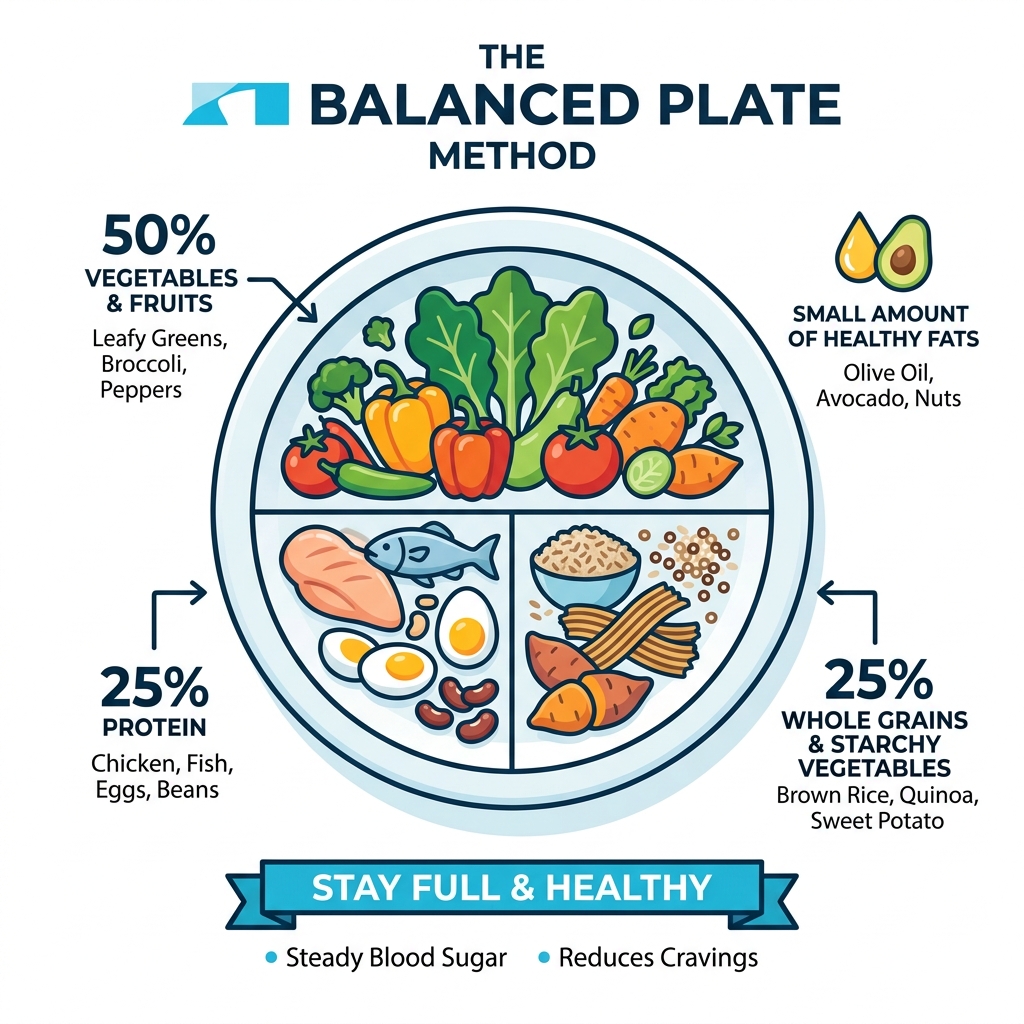
Here’s the core formula at a glance:
| Plate Section | What to Fill It With | Proportion |
|---|---|---|
| Half your plate | Non-starchy vegetables and fruit | 50% |
| One quarter | Lean protein (chicken, fish, beans, eggs) | 25% |
| One quarter | Whole grains or starchy vegetables | 25% |
| On the side | Healthy fats (olive oil, avocado, nuts) | Small amount |
This approach — sometimes called the balanced plate method — keeps blood sugar steady, reduces cravings, and helps you feel full longer. It works for dinner, lunch, and even breakfast. And it fits into a busy schedule because it’s a visual guide, not a complicated system.
No measuring cups. No macro math. Just a simple way to look at your plate and know you’re on track.
Research backs it up too. Men who closely followed evidence-based healthy eating guidelines were about 20% less likely to develop a major chronic disease. Women saw an 11% reduction in risk. The method also cut cardiovascular disease risk by nearly 40% in men and 30% in women.
Whether you’re cooking for a family on a Tuesday night or prepping lunches for the week, the balanced plate gives you a repeatable structure that actually works in real life.
The Science Behind the Balanced Plate Method
At Quintal Florido, we believe that understanding the “why” behind your food choices makes it much easier to stick to a healthy routine. The balanced plate method isn’t just a trend; it is rooted in significant nutritional research aimed at chronic disease prevention.
Data from the Harvard T.H. Chan School of Public Health suggests that the quality of the food on your plate is just as important as the quantity. For instance, according to The American Journal of Clinical Nutrition, moving toward improved dietary guidance—like the plate method—can significantly lower the risk of major chronic diseases.
While there are several models available, they all share a common goal: simplifying nutrition. However, they do have slight differences in their recommendations. If you are just starting out, our Balanced Diet Plan for Beginners can help you navigate these choices.
Comparing Popular Plate Models
| Feature | MyPlate (USDA) | Healthy Eating Plate (Harvard) | Diabetes Plate Method (ADA) |
|---|---|---|---|
| Vegetables | 40% of plate | 35% of plate (emphasizes variety) | 50% (non-starchy only) |
| Fruit | 10% of plate | 15% of plate | Included in carb count |
| Grains | 25% (half should be whole) | 25% (whole grains only) | 25% (starchy foods) |
| Protein | 25% (includes dairy) | 25% (limits red/processed meat) | 25% (lean protein) |
| Fats | Not explicitly on plate | Uses healthy plant oils | Focuses on healthy fats |
| Dairy | Recommended (low-fat) | Limits milk/dairy | Not a primary focus |
The Harvard model explicitly excludes potatoes from the vegetable category because of their negative impact on blood sugar, whereas the Diabetes Plate Method is specifically designed to keep carbohydrates between 24-35 grams per meal to manage glucose levels.
Core Components of Balanced Plate Meal Ideas
To build balanced plate meal ideas that actually keep you satisfied until your next meal, we need to look at the four pillars of satiety: fiber, protein, healthy fats, and complex carbs. When these four work together, they slow down digestion and prevent the “energy crash” that often follows high-sugar meals.
- Non-Starchy Vegetables: Think of these as your “volume” foods. They provide essential vitamins and minerals with very few calories. Filling half your plate with greens, peppers, broccoli, or cauliflower ensures you get enough fiber for gut health.
- Lean Protein: Protein is the most satiating macronutrient. It is crucial for tissue repair and hormone production. Whether it’s animal-based (chicken, fish, eggs) or plant-based (tofu, beans, lentils), aim for a portion about the size of your palm.
- Whole Grains & Fiber-Rich Carbs: Carbohydrates are our body’s preferred fuel source. Choosing “slow carbs” like quinoa, brown rice, or sweet potatoes provides lasting energy. For more on managing these portions, see our Nutrition Guide for Weight Management.
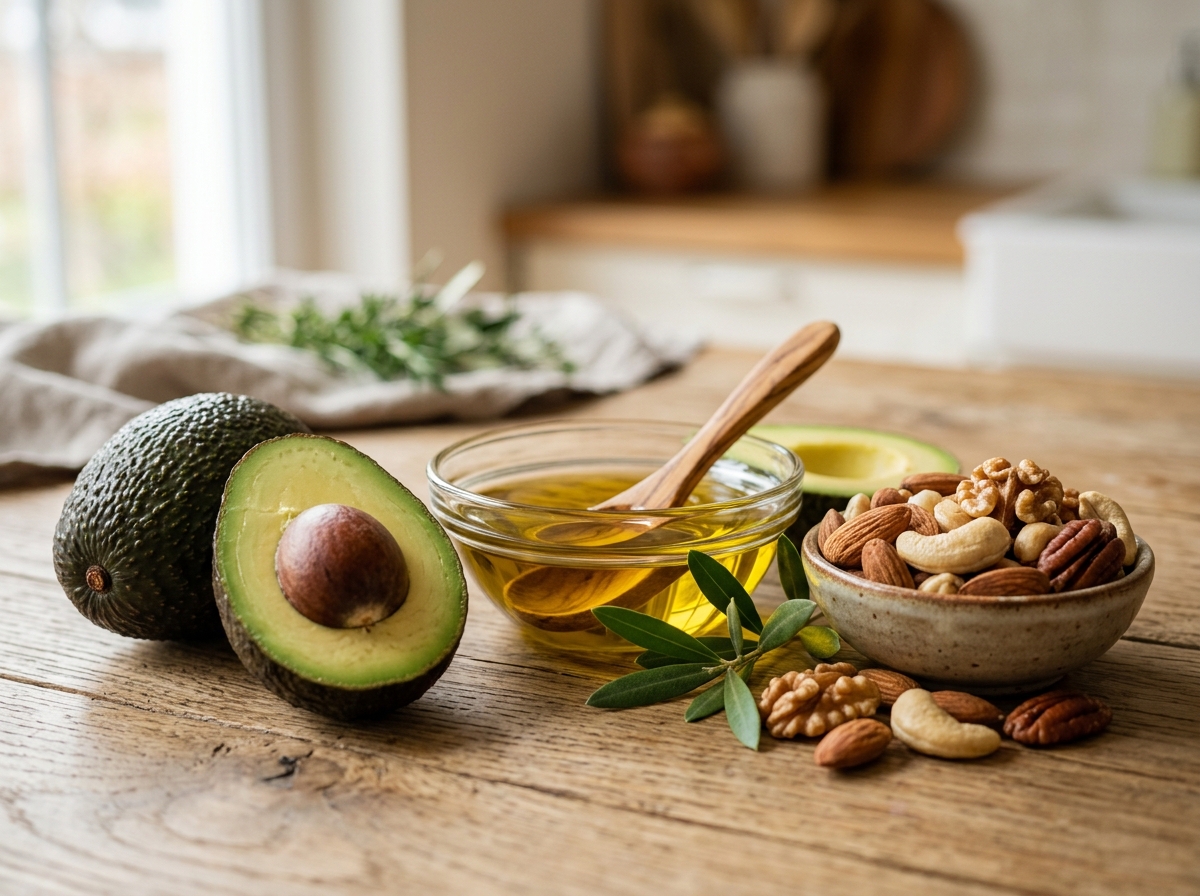
- Healthy Fats: Often called the “satiety factor,” fats slow down gastric emptying, which means you stay full longer. They also help your body absorb vitamins A, D, E, and K.
Quick Weeknight Balanced Plate Meal Ideas
We know that “busy” is the biggest barrier to healthy eating. The secret to success on a Tuesday night is using shortcuts that don’t sacrifice nutrition. Our guide on Healthy Family Meals That Won’t Take All Evening to Prepare offers deep dives into this, but here are a few “express” plate ideas:
- The Sheet Pan Salmon: Toss a salmon fillet, a pile of green beans, and halved baby potatoes in olive oil and lemon. Roast at 400°F for 15-20 minutes. You’ve hit every quadrant of the plate with one pan to clean.
- Rotisserie Chicken Shortcut: Grab a pre-cooked chicken from the store. Serve a breast (protein) with a bag of pre-washed salad mix (veggies) and a 90-second pouch of quinoa or brown rice (grain).
- 15-Minute Stir-Fry: Use a bag of frozen stir-fry vegetables. Sauté them with tofu or shrimp and serve over cauliflower rice mixed with a small portion of real brown rice for that perfect 50/25/25 balance.
- Air Fryer Tofu: Toss extra-firm tofu cubes in cornstarch and spices. Air fry until crispy (about 15 minutes). Serve with steamed broccoli and a side of chilled soba noodles.
Make-Ahead Balanced Plate Meal Ideas for Lunch
Lunch is often where balanced eating falls apart, leading to afternoon sugar cravings. By using Meal Planning for Nutrition, you can ensure your midday meal is just as structured as your dinner.
- Hard-Cooked Eggs: These are a dietitian’s favorite. They last seven days in the fridge and provide high-quality protein, including choline for brain health. Pair two eggs with carrot sticks, hummus, and a whole-grain muffin for a “bistro box” lunch.
- Quinoa Salad Jars: Layer your dressing at the bottom, followed by hearty veggies (cucumbers, chickpeas), then quinoa, and finally leafy greens on top. This keeps the salad from getting soggy.
- Bento Box Assembly: Use a divided container to visually enforce the plate method. One large section for berries and snap peas, one small section for turkey roll-ups, and one for whole-grain crackers.
For more inspiration, check out our Healthy Meal Prep Ideas for a Week of Delicious Dishes.
10 Versatile Templates for Real-Life Success
You don’t need a thousand recipes; you need a few versatile templates. These “formulas” allow you to swap ingredients based on what’s in your fridge while maintaining the balanced plate meal ideas structure.
- The Mediterranean Grain Bowl: Start with a base of farro or quinoa. Add grilled chicken or chickpeas, a massive scoop of cucumber and tomato salad, and a dollop of tzatziki or hummus (your healthy fat).
- The Taco Night Makeover: Instead of just shells and meat, build a “taco salad.” Use a bed of romaine (50%), a scoop of taco-seasoned ground turkey (25%), and a small portion of corn or black beans (25%). Top with avocado.
- Savory Breakfast Plates: Breakfast doesn’t have to be sweet. Try two scrambled eggs with a side of sautéed spinach and mushrooms, and one slice of whole-grain toast.
- One-Pot Stews: Chili is a perfect balanced meal in a bowl. Use plenty of onions, peppers, and tomatoes (veggies), beans and lean beef (protein), and serve with a small side of brown rice or a whole-wheat roll.
- Pasta with Added Volume: We love pasta, but the traditional “mountain of noodles” isn’t balanced. Use one cup of whole-wheat pasta, but toss it with two cups of sautéed zucchini and peppers and a lean turkey meatball.
- Burger Salad Bowls: Skip the bun or use a whole-grain slider bun. Place your burger patty on a giant bed of greens with pickles, onions, and tomatoes. Add a small side of roasted sweet potato wedges.
- Seafood Skillets: Sauté shrimp with garlic, lemon, and a massive pile of asparagus. Serve over a small portion of couscous.
- Egg-Based Frittatas: This is the ultimate “clean out the fridge” meal. Whisk eggs with whatever veggies are wilting in the crisper drawer. Serve a wedge with a side of fruit.
- Sheet Pan Roasts: Chicken thighs, Brussels sprouts, and butternut squash. Season with rosemary and olive oil for an easy, earthy meal.
- The “Snack” Plate: When you’re too tired to cook, assemble a plate of smoked salmon, sliced cucumbers, bell pepper strips, and a few whole-grain crackers.
Using these templates is a great way to introduce Healthy Eating for Families because everyone can customize their own bowl or taco.
Frequently Asked Questions about Balanced Plates
How do I adapt the plate for weight loss or diabetes management?
For weight loss, prioritize the non-starchy vegetable section to increase volume without adding many calories. For diabetes management, the “Diabetes Plate” typically suggests filling half the plate with non-starchy vegetables to help manage blood sugar. You can also use hand-based cues: a palm-sized portion of protein, a cupped hand of carbs, and a thumb-sized portion of fats.
Can I include “fun foods” like pizza or burgers in a balanced plate?
Absolutely! At Quintal Florido, we believe in “consistency over perfection.” To make pizza fit the balanced plate meal ideas model, simply have one or two slices and fill the rest of your plate with a large green salad. For a burger, opt for a side of steamed broccoli instead of fries, or use a lettuce wrap to shift the proportions toward more vegetables.
What are the best vegetarian and vegan protein sources for this method?
Tofu, tempeh, and edamame are excellent complete proteins. Legumes like lentils and chickpeas are also great, though they count as both a protein and a starch, so you may want to adjust your grain portion accordingly. Nuts and seeds are wonderful for healthy fats and some protein, but usually aren’t enough to be the primary protein source for a main meal.
Conclusion
Building a balanced plate is one of the simplest, most effective ways to support your long-term health. It moves the focus away from restriction and toward nourishment. By filling half your plate with color, a quarter with power proteins, and a quarter with steady-energy carbs, you create a lifestyle that is sustainable and satisfying.
Remember to keep an eye on your grocery habits. Learning how to read food labels can help you spot hidden sugars and ensure your “whole grains” are truly whole.
At Quintal Florido, we are dedicated to providing evidence-based guides to help you thrive. For more advice on making the switch to a wholesome lifestyle, explore our latest Nutrition Tips. Start with your next meal—just look at your plate and ask: “Where is my color, my protein, and my fiber?” Consistency, not perfection, is the key to feeling your best.
