
Why Choosing the Right Healthy Snack Food Options Matters More Than You Think
Healthy snack food options are foods that combine protein, fiber, and healthy fats to keep you full, energized, and well-nourished between meals.
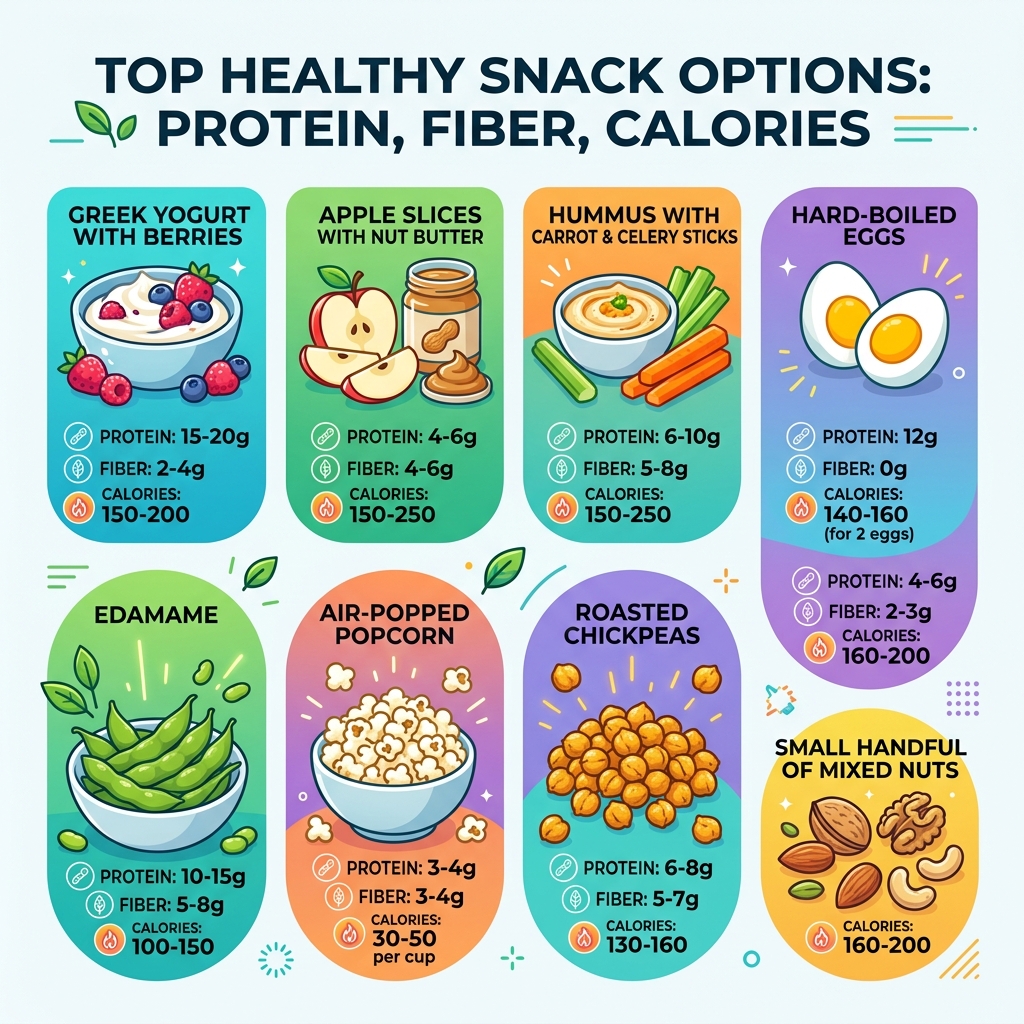
Quick answer — the best healthy snacks include:
- Greek yogurt with berries
- Apple slices with nut butter
- Hummus with carrot or celery sticks
- Hard-boiled eggs
- Edamame
- Air-popped popcorn
- Roasted chickpeas
- A small handful of mixed nuts
Snacks make up about one-third of the average person’s daily calories. That’s a huge chunk — and it means your snack choices have a real impact on your overall health.
The problem? Most of us default to chips, candy bars, or whatever’s closest. These ultra-processed options spike your blood sugar fast, then leave you hungrier than before.
The good news is that swapping in smarter snacks doesn’t have to be complicated or time-consuming — even if you’re a busy parent or professional with zero spare time.
This guide breaks down exactly which snacks are worth reaching for, why they work, and how to make them practical for your real life.
The Science of Building Balanced Snacks
When we think about snacking, we often think about “tiding ourselves over.” But there is actually a fascinating science to how certain healthy snack food options interact with our biology. At Quintal Florido, we believe that understanding the “why” behind your food choices makes it much easier to stick to a plan.
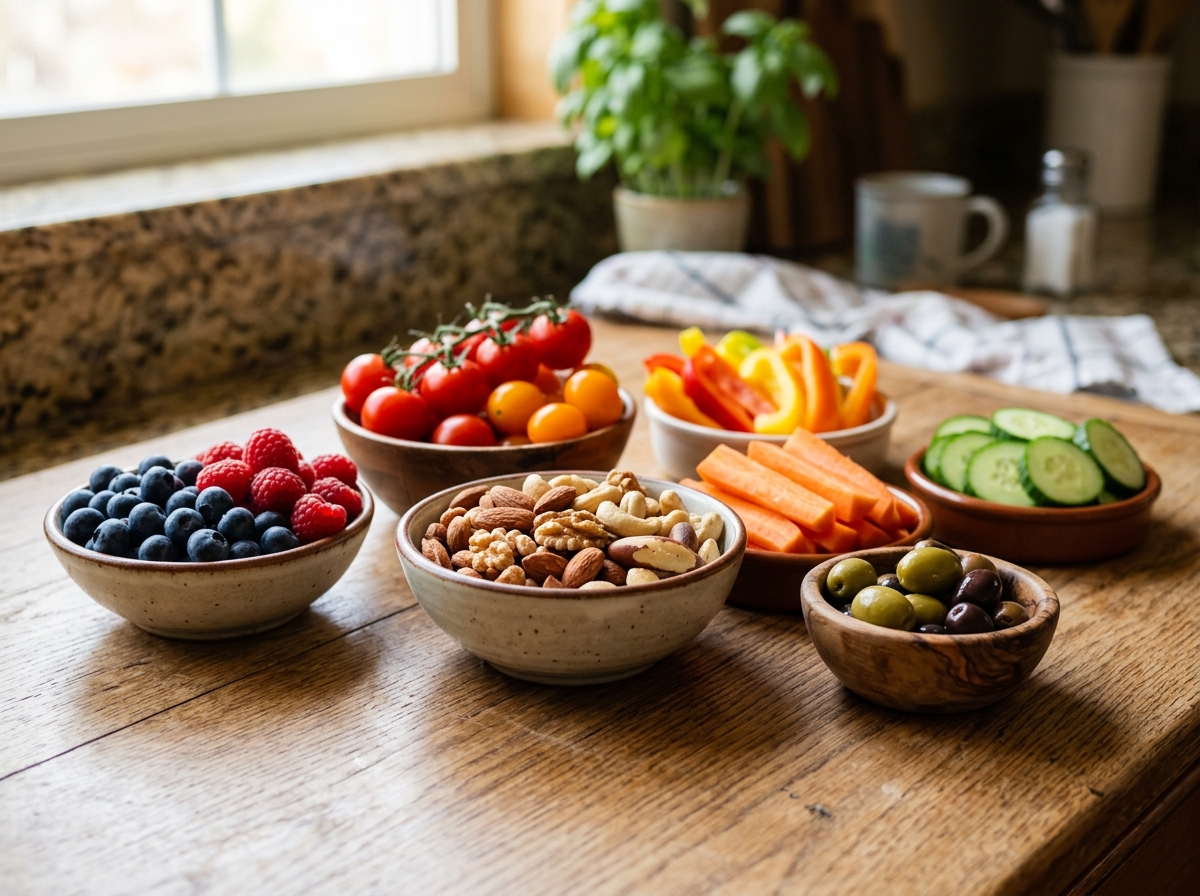
The most effective formula for a snack that actually works is Protein + Produce (P+P). This isn’t just a catchy rhyme from registered dietitians; it’s a blueprint for metabolic success.
Why the P+P Formula Works
When you eat simple carbohydrates alone—like a handful of crackers or a piece of candy—your blood sugar spikes rapidly. Your body responds with a surge of insulin, which eventually leads to a “crash,” leaving you tired, irritable, and searching for more sugar.
By adding protein or healthy fats to your produce (fruits or vegetables), you slow down the digestion process. This leads to:
- Hunger Management: You won’t feel like you’re starving an hour after eating.
- Blood Sugar Regulation: Steady energy levels without the mid-afternoon slump.
- Nutrient Density: You’re getting vitamins and minerals from the produce and essential amino acids or fatty acids from the protein/fat source.
- Satiety: Protein triggers the release of hormones that tell your brain you are full.
According to MyPlate.gov | U.S. Department of Agriculture, prioritizing whole foods over processed ones is the cornerstone of a healthy dietary pattern. If you want to dive deeper into the mechanics of this, check out our guide on The Science of Building Balanced Snacks Ideas.
Top High-Protein healthy snack food options
If satiety is your goal, protein is your best friend. It is the most thermogenic macronutrient, meaning your body burns more calories digesting it than it does fats or carbs. Here are some of the heavy hitters in the protein world:
1. Greek Yogurt (16g Protein)
A standard 156g container of Greek yogurt packs a massive 16 grams of protein. We recommend opting for plain, non-fat, or low-fat versions to avoid the hidden “sugar bombs” found in fruit-on-the-bottom varieties. You can add your own sweetness with a handful of berries or a sprinkle of cinnamon.
2. Cottage Cheese (25g Protein)
Cottage cheese is a hidden gem for weight management. Just one cup provides 25 grams of protein! It’s incredibly versatile; you can go savory with cracked black pepper and tomatoes or sweet with pineapple chunks or sliced peaches. For those on the go, 1/2 cup of lowfat 2% cottage cheese still offers a respectable 12 to 14 grams of protein.
3. Edamame (18g Protein)
One cup (155 grams) of edamame provides 18 grams of protein and 14 grams of carbs—8 of which come from fiber. These young soybeans are often found in the freezer section and can be steamed in minutes.
4. Hard-Boiled Eggs (12g Protein per pair)
Two large hard-boiled eggs give you 12 grams of high-quality protein. They are the ultimate “fast food.” Pro tip: Hard-boiled eggs stay fresh in the fridge for up to one week if you leave the shells on.
5. Beef Jerky (9g Protein)
Most beef jerkies contain about 9 grams of protein per ounce. However, be a savvy shopper—look for brands with less than 300mg of sodium per serving and minimal added sugars.
6. Roasted Chickpeas (10g Protein)
Half a cup of chickpeas delivers 10 grams of protein and 6 grams of fiber. They are excellent when roasted with olive oil and spices like cumin or smoked paprika for a satisfying crunch that rivals potato chips.
For those who prefer drinking their nutrients, explore our Protein-Packed Smoothie Recipes for Weight Loss or our High-Protein Snack Smoothie Ideas for Fitness Lovers.
Plant-Based and Fiber-Rich Choices
Fiber is the “secret sauce” of weight management. It adds bulk to your diet, helping you feel full on fewer calories, and supports a healthy gut microbiome. Research from the AICR suggests that plant-based diets are vital for long-term health and cancer prevention.
Air-Popped Popcorn
Believe it or not, popcorn is a whole grain. A 3-cup serving of air-popped popcorn is less than 100 calories and provides filling fiber. Skip the movie-theater butter and try nutritional yeast or a light spray of olive oil with sea salt instead.
Apple Slices with Nut Butter
This is a classic for a reason. One apple provides about 3 grams of fiber, and 2 tablespoons of natural peanut butter add protein and healthy fats. Just be sure to check the label on your nut butter—it should ideally contain only nuts and perhaps a pinch of salt, no added oils or sugars.
Chia Pudding
Chia seeds are a nutritional powerhouse. One ounce (about 2 tablespoons) contains 11 grams of fiber. When soaked in milk (dairy or plant-based), they create a thick, pudding-like texture. It’s a great way to satisfy a sweet tooth while getting a massive fiber boost. Learn more about plant-based liquid snacks in our guide to Whipping Up Vegan Smoothie Recipes at Home.
Hummus and Carrots
Pairing 1/4 cup of hummus with a cup of raw vegetables is a dietitian favorite. It provides that “crunch” factor we often crave from chips but with the added benefit of plant protein and fiber.
Dried Apricots and Dates
If you need an energy boost, a couple of dates stuffed with nut butter or a few dried apricots can provide natural sugars and fiber. However, because dried fruit is calorie-dense, keep your portions small.
For more fiber-rich inspiration, see our Green Smoothie Recipes for a Natural Detox or read 30 Healthy Snack Ideas from Registered Dietitians.
| Snack Option | Fiber Content (approx.) | Protein Content (approx.) |
|---|---|---|
| Air-popped Popcorn (3 cups) | 4g | 3g |
| Chickpeas (1/2 cup) | 6g | 10g |
| Edamame (1 cup) | 8g | 18g |
| Chia Seeds (1 oz) | 11g | 4g |
| Apple (1 medium) | 3-4g | 0g |
Practical Tips for On-the-Go Convenience
We all know that the best-laid plans often fall apart when we’re busy. The key to maintaining healthy snack food options is making the healthy choice the easiest choice.
Grocery Shopping Strategies
- Never shop hungry: We’ve all been there—everything in the snack aisle looks good when your stomach is growling.
- Plan and list: Add specific snack ingredients to your list so you aren’t wandering aimlessly.
- Read labels: Look for snacks with at least 3 grams of fiber and 5 grams of protein. Avoid those where sugar is one of the first three ingredients.
Batch Prepping
Spend 20 minutes on a Sunday prep-session:
- Wash and cut celery, bell peppers, and carrots. Store them in clear containers at eye level in the fridge.
- Hard-boil a half-dozen eggs.
- Portion out nuts or trail mix into small reusable bags to avoid mindless overeating from a large bag.
Portable Storage
Invest in a good bento box or insulated snack bag. If you’re carrying perishables like yogurt or cottage cheese, a small ice pack is a lifesaver. For liquid options, check out our tips on Healthy and Delicious Work or School Snack Smoothies and Quick Healthy Smoothies for Energy.
What are the best healthy snack food options for kids?
Getting kids to eat healthily can feel like a battle, but it’s all about presentation and fun.
- Smoothie Popsicles: Blend fruit and yogurt, then freeze them in molds. It feels like a treat but is packed with nutrients. Check out these Easy and Nutritious Smoothie Snacks for Kids.
- Ants on a Log: The classic celery stick with peanut butter and raisins is nostalgic and provides a great mix of textures.
- Whole Grain Muffins: Bake a batch of mini-muffins using oats and mashed bananas. They are easy for little hands to grab.
- Bento Boxes: Kids love variety. A box with a few grapes, a cheese stick, and some whole-grain crackers is often more appealing than one large item.
For more family-friendly ideas, visit our guide on Easy Snack Ideas for Kids.
Frequently Asked Questions about healthy snack food options
Can healthy snack food options support weight management?
Yes, absolutely! While some people think skipping snacks saves calories, it often leads to “extreme hunger,” which causes overeating at dinner.
- Satiety: By eating a snack in the 150-250 calorie range, you keep your metabolism active and your hunger hormones in check.
- Calorie Control: Choosing high-volume snacks like popcorn or veggies allows you to eat a larger portion for fewer calories.
- Protein Power: As mentioned, protein-rich snacks help preserve lean muscle mass during weight loss. Consider trying Protein Smoothie Ideas for Weight Loss to stay on track.
How do I avoid common snacking pitfalls?
The biggest pitfall is “ultra-processed” foods. These are items engineered to be “hyper-palatable”—meaning they make your brain want more even when you’re full.
- Mindful Eating: Avoid snacking in front of the TV or computer. When you aren’t paying attention, it’s easy to polish off a whole bag of chips.
- Hidden Sugars: Be wary of “healthy” granola bars or flavored yogurts that can have as much sugar as a candy bar.
- Sodium Limits: Aim for snacks with less than 200mg of sodium per serving to avoid water retention and heart health issues. Find more tips in our guide: Easy Healthy Tasty Snacks: Your Guide to Not Eating Junk.
What are the best snacks for a quick energy boost?
If you need a pick-me-up, look for complex carbohydrates paired with healthy fats.
- Nuts: Walnuts and almonds are magnesium-rich, which is essential for energy production at a cellular level.
- Natural Sugars: A banana or a few dates provide quick-burning fuel, while the fiber ensures you don’t crash later.
- Hydration: Sometimes “hunger” is actually thirst. Pair your snack with water or unsweetened tea. Explore our Quick and Healthy Smoothie Recipes for Energy Boost for more ideas.
Conclusion
Mastering your healthy snack food options is one of the simplest yet most effective ways to transform your diet. By moving away from processed “convenience” foods and toward whole-food combinations of protein and produce, you support your long-term health, stabilize your energy, and make weight management feel effortless rather than like a chore.
At Quintal Florido, we are committed to providing evidence-based nutrition advice that fits into your actual life. Whether you are prepping a bento box for work or whipping up a quick protein smoothie, every small choice adds up to a healthier you.
Ready to explore more? Browse our full Healthy Snacks Category for recipes, tips, and the latest in nutritional science.
