
Why Balanced Plate Recipes Are the Simplest Way to Eat Well
Balanced plate recipes make healthy eating easy by dividing your plate into three simple sections:
| Section | What Goes Here | How Much |
|---|---|---|
| Vegetables | Non-starchy veggies (broccoli, spinach, peppers) | Half your plate |
| Protein | Chicken, fish, tofu, beans, eggs | One quarter |
| Carbs/Starch | Brown rice, quinoa, sweet potato, whole grains | One quarter |
That’s the core idea. No calorie counting. No complicated rules.
Eating this way helps with satiety (staying full longer), blood sugar control, and portion management — all without turning meal prep into a second job.
The challenge most busy people face isn’t knowing what to eat. It’s knowing how to put it all together quickly on a weeknight when time and energy are short.
That’s exactly what this guide solves. Below you’ll find real recipes, practical shortcuts, and tips built around the 50-25-25 rule — so every meal you make is naturally balanced, nutritious, and satisfying.
What is the Balanced Plate Method?
The balanced plate method is a visual strategy designed to take the guesswork out of nutrition. Instead of obsessing over every gram of fat or milligram of sodium, we focus on the architecture of the meal. By structuring your plate correctly, you automatically hit your targets for fiber, vitamins, and macronutrients.
At its heart, this method relies on four pillars:
- Non-Starchy Vegetables (50%): These are the volume-fillers. Think leafy greens, broccoli, cauliflower, peppers, and green beans. They are low in calories but high in fiber and water, which helps us feel full.
- Lean Protein (25%): This provides the building blocks for muscle and keeps hunger hormones at bay. Options include poultry, fish, tofu, beans, or eggs.
- Complex Carbohydrates (25%): Instead of refined “white” starches, we opt for whole grains like brown rice, quinoa, or starchy vegetables like sweet potatoes. These provide sustained energy.
- Healthy Fats: A small amount of “liquid gold” (like olive oil), avocado, or nuts adds flavor and helps our bodies absorb fat-soluble vitamins.
Using this method is a great first step if you are looking for a balanced-diet-plan-for-beginners. It’s also an excellent way to Learn More Cooking Skills because it teaches you how to pair flavors and textures for a complete culinary experience.
Top Balanced Plate Recipes for Busy Weeknights
The biggest barrier to healthy eating is often time. We know that after a long day, the last thing anyone wants is a mountain of dishes. That is why we love methods like one-pan roasting and air frying. These techniques allow you to cook your protein and vegetables simultaneously, ensuring your balanced plate recipes are ready in under 30 minutes.
Effective meal-planning-for-nutrition doesn’t have to be a chore. By focusing on “all-in-one” cooking methods, you can maintain your health goals without sacrificing your evening.
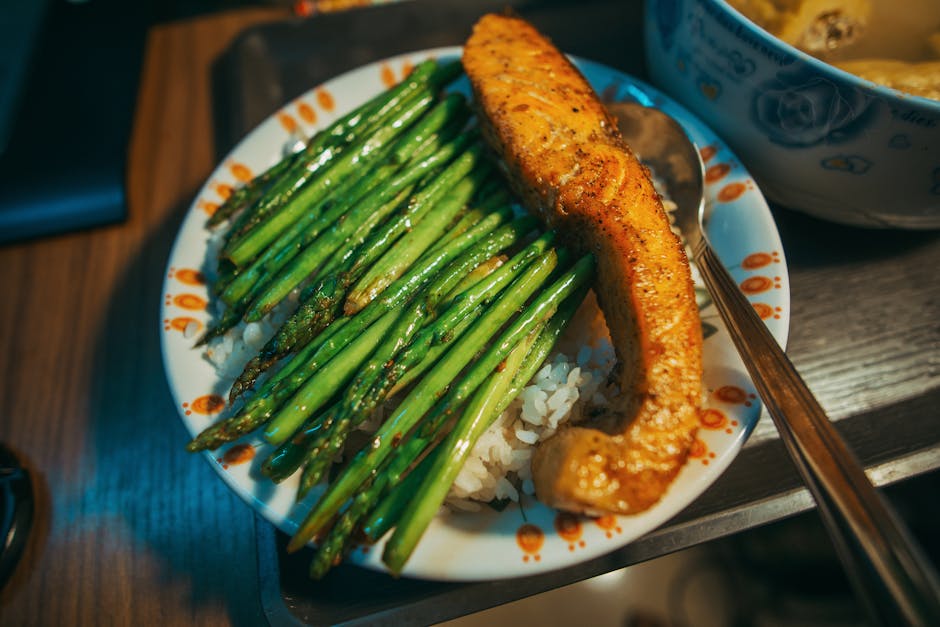
Quick Sheet Pan Salmon and Asparagus
This is a quintessential balanced meal that hits all the right notes: healthy fats, lean protein, and vibrant greens. Salmon is a powerhouse of Omega-3 fatty acids, which are essential for heart and brain health.
To make this, we recommend tossing bite-sized salmon chunks in a spicy honey balsamic glaze (simmered for a few minutes to thicken). Place them on a sheet pan alongside asparagus spears drizzled with a little oil. Bake at 450°F for about 10–15 minutes. For that extra “gourmet” touch, hit it with the broiler for the last minute to caramelize the glaze.
- The Balance: Serve this over a quarter-plate of brown rice or quinoa.
- The “Secret Sauce”: Pair it with a quick avocado herb and feta salad for extra creaminess.
- Stats: This meal clocks in at approximately 416 calories per serving. To ensure your ingredients are top-tier, you can always Find Heart-Check Certified Foods at your local grocery store.
High-Protein Skillet Chicken Orzo
If you prefer a “one-pot” wonder, this chicken orzo dish is a lifesaver. Using a single skillet means less cleanup and more flavor, as the pasta absorbs the juices from the chicken and aromatics.
We suggest using chicken thighs rather than breasts; they stay tender and moist even when simmered. Start by browning the chicken, then toast your whole-wheat orzo in the same pan to give it a nutty depth. Add broth and let it simmer until the pasta is tender. At the very last minute, fold in several handfuls of fresh spinach. The spinach wilts down instantly, providing a massive hit of folate and iron.
- The Balance: This dish provides a whopping 39g of protein and 7g of fiber per serving.
- Health Tip: Using whole-wheat orzo instead of white pasta significantly boosts the fiber content, which is a key part of any nutrition-guide-for-weight-management.
- Stats: Approximately 630 calories per serving, making it a filling, complete dinner.
Plant-Based Roasted Veggie and Hummus Bowl
You don’t need meat to create highly effective balanced plate recipes. This vegan-friendly bowl relies on beans for protein and a variety of roasted vegetables for texture and nutrients.
The trick here is to roast your “hard” veggies (like sweet potatoes and beets) first, then add “softer” ones (like cauliflower and carrots) later so everything finishes at the same time. While the veggies roast, sauté some chickpeas with cumin and chili powder for a protein boost.
Assemble your bowl by layering a base of massaged kale or spinach, adding your roasted veggies and chickpeas, and finishing with a generous dollop of hummus and a drizzle of lemon-tahini or avocado sauce. The healthy fats in the hummus and avocado ensure you stay satisfied until breakfast.
Customizing Balanced Plate Recipes for Health Goals
While the 50-25-25 rule is a fantastic baseline, you can tweak the proportions to support specific medical needs or fitness objectives. Whether you are focusing on heart health or blood sugar, the “plate” is a flexible tool.
If you are looking for more structured support, our healthy-meal-prep-guide-for-weight-loss can help you scale these recipes for the entire week.
| Goal | Vegetable Focus | Protein Choice | Carb Strategy |
|---|---|---|---|
| Diabetes Management | Maximize non-starchy greens to slow sugar absorption. | Lean turkey, fish, or tofu. | Keep to exactly 1/4 plate; choose high-fiber grains. |
| Heart Health | Focus on potassium-rich produce (spinach, sweet potato). | Omega-3 rich fish or plant proteins. | Use “Heart-Check” certified whole grains. |
| Weight Loss | Increase veggies to 60% if needed for volume. | High-protein (25g+ per meal) for satiety. | Focus on slow-digesting complex carbs. |
Managing Diabetes with Balanced Plate Recipes
For those managing diabetes or pre-diabetes, the plate method is often preferred over tedious carb-counting. It provides a visual safety net. By filling half the plate with non-starchy vegetables, you naturally limit the room for carbohydrates, keeping your meal’s total carb count around 24–35g.
A great example is Taco Night. Instead of three or four shells, use two corn tortillas (the starch), fill them with lean ground turkey (the protein), and serve them with a massive side of kale-apple slaw or a garden salad (the veggies). This simple swap brings the meal to about 320 calories and 32g of carbohydrates. You can find more inspiration for Perfect Meals by the Plate through specialized diabetes resources.
Heart-Healthy and Low-Sodium Adjustments
To make your balanced plate recipes better for your heart, focus on reducing sodium and increasing “good” fats. Sodium is often hidden in broths, dressings, and pre-packaged seasonings. We recommend using low-sodium chicken or vegetable broth and flavoring your meals with fresh herbs, lemon juice, and vinegars instead of salt.
Look for the Heart-Check mark on grocery items to ensure they meet strict nutritional criteria. Small adjustments, like swapping butter for olive oil or white rice for brown rice, are simple-diet-changes-for-better-health that pay off in the long run.
Beginner Tips for Building Your Own Balanced Plate Recipes
You don’t need to be a chef to master this. In fact, some of the best balanced meals come from “assembly” rather than “cooking.” For healthy-eating-for-families, the key is making the healthy choice the easiest choice.
- The Rotisserie Chicken Hack: A store-bought rotisserie chicken is a balanced plate’s best friend. Shred the meat for tacos, bowls, or salads to save 20 minutes of prep time.
- Frozen is Fine: Frozen vegetables are often frozen at peak ripeness and contain just as many nutrients as fresh ones. Keep bags of frozen broccoli, spinach, and peas on hand for instant “half-plate” fillers.
- Pre-Cooked Grains: Many grocery stores sell pouches of pre-cooked quinoa or brown rice that heat up in 90 seconds. These are perfect for hitting your “quarter-plate” starch requirement without waiting 40 minutes for a pot to boil.
- The “Massaged” Green Tip: If you find raw kale or spinach too tough, “massage” it with a little balsamic vinegar and garlic powder for a minute. It breaks down the fibers, making it tender and much more flavorful.
Frequently Asked Questions about Balanced Plates
How do I use the balanced plate method for snacks?
The same logic applies! A balanced snack should ideally combine a fiber-rich carb with a protein or healthy fat. Instead of just an apple (carb), have an apple with a tablespoon of peanut butter (fat/protein). Instead of just crackers, have whole-grain crackers with a slice of turkey or some hummus. This prevents the “sugar crash” and keeps you full until your next meal.
Can I use these recipes for a gluten-free diet?
Absolutely. Most balanced plate recipes are naturally gluten-free or easily adaptable. Simply ensure your “quarter-plate” starch is a gluten-free grain like quinoa, brown rice, or buckwheat, or stick to starchy vegetables like potatoes and squash. For recipes like the chicken orzo, you can substitute the orzo with gluten-free pasta or even cauliflower rice (though you may need to add a side of beans to maintain the carb balance).
What are the best proteins for a balanced plate?
Variety is key. We recommend aim for a mix throughout the week:
- Seafood: Aim for twice a week (salmon, tuna, or cod).
- Poultry: Lean chicken or turkey.
- Plant-Based: Beans, lentils, chickpeas, tofu, and tempeh.
- Eggs: A great “savory breakfast” plate option paired with sautéed greens and a slice of whole-grain toast.
Conclusion
At Quintal Florido, we believe that nutrition shouldn’t be a source of stress. By embracing balanced plate recipes, you move away from the restrictive mindset of “dieting” and toward a sustainable lifestyle of wholesome eating. Whether you are using a sheet pan to roast salmon or assembling a quick hummus bowl, the 50-25-25 rule ensures your body gets exactly what it needs to thrive.
Healthy eating is a journey of long-term wellness, one plate at a time. For more evidence-based guides and More nutrition tips and guides, stay tuned to our latest updates. Your journey to a simpler, healthier kitchen starts with your very next meal!
