
Why Every Pasta Lover Should Know About Low Carb Veggie Noodles
Low carb veggie noodles are exactly what they sound like — vegetables cut or spiralized into noodle shapes to replace traditional wheat pasta. They work for keto, paleo, Whole30, and gluten-free diets alike.
Quick answer — the best low carb veggie noodles are:
| Veggie Noodle | Net Carbs (per cup) | Best For |
|---|---|---|
| Zucchini (zoodles) | ~2g | Everyday pasta replacement |
| Spaghetti squash | ~5g | Hearty, fork-scraped strands |
| Shirataki (konjac) | ~0g | Zero-carb, Asian dishes |
| Kelp noodles | ~1g | Mineral-rich, cold dishes |
| Turnip noodles | ~4g | Stir-fries, Lo Mein |
| Carrot noodles | ~8g | Color, texture, Asian dishes |
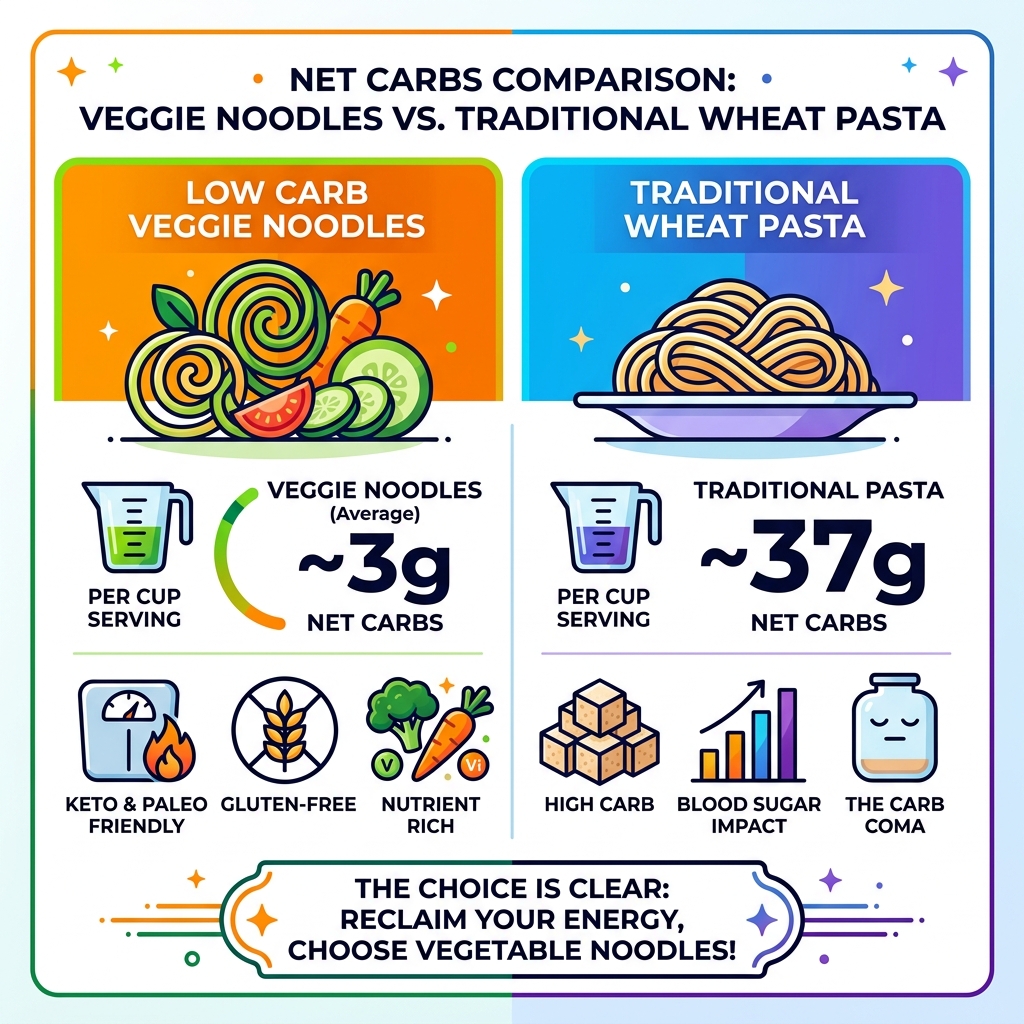
Compare that to regular pasta at around 37g net carbs per serving — the difference is dramatic.
If you love pasta but are short on time and trying to eat better, veggie noodles are one of the simplest swaps you can make. No special cooking skills needed. Most recipes are ready in under 30 minutes.
Why Switch to Low Carb Veggie Noodles?
We all love the comforting embrace of a big bowl of spaghetti, but the “carb coma” that follows? Not so much. Switching to low carb veggie noodles isn’t just about cutting calories; it’s about reclaiming your energy and flooding your body with nutrients.
When we look at the statistics, the choice becomes clear. A medium zucchini contains roughly 1.8 grams of net carbs. In stark contrast, the same amount of traditional wheat pasta packs a whopping 37 grams of net carbs. By choosing vegetables, you aren’t just saving 35 grams of carbs; you’re also ditching the processed grains that can spike blood sugar and lead to weight gain.
For those of us managing weight or monitoring insulin levels, these noodles are a game-changer. Beyond the macros, you’re getting actual food — fiber, vitamins, and minerals — instead of “empty” calories.
| Noodle Type | Calories (per cup) | Net Carbs (per cup) | Key Benefit |
|---|---|---|---|
| Zucchini | 19 | 1.8g | High Vitamin C |
| Spaghetti Squash | 42 | 5.5g | High Fiber |
| Kelp Noodles | 6 | 1.0g | Iodine & Minerals |
| Regular Pasta | 200+ | 37g | None (Processed) |
Top 5 Vegetable Alternatives for Your Pasta Cravings
The beauty of the vegetable kingdom is its diversity. You don’t have to stick to just one type of “noodle.” Depending on the sauce and the vibe of your meal, different vegetables offer unique textures and flavors. Most of these options are naturally Whole30 and Paleo compliant, making them perfect for almost any dietary restriction. For a broader overview of carbohydrate basics and how different foods affect your intake, the Harvard T.H. Chan School of Public Health guide to carbohydrates is a helpful external resource.
Zucchini: The King of Low Carb Veggie Noodles
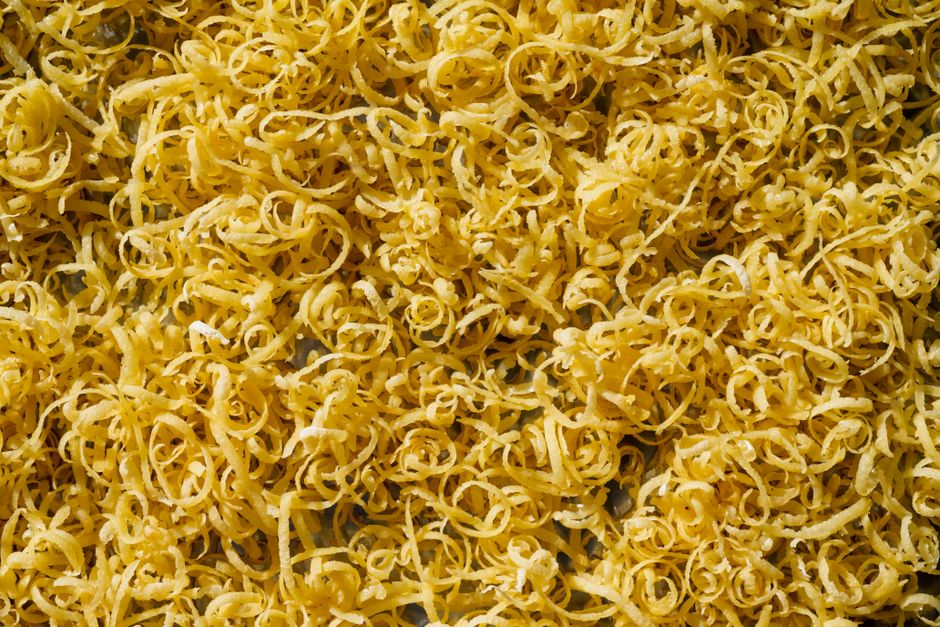
Commonly known as “zoodles,” zucchini is the undisputed heavyweight champion of the veggie noodle world. Why? Because it is incredibly versatile and has a very mild flavor that acts as a blank canvas for whatever sauce you’re craving. Whether it’s a rich Bolognese or a light lemon-garlic butter sauce, zucchini handles it all.
Zucchini is roughly 95% water, which makes it very low in calories (about 19 calories per cup). It’s also a fantastic way to use up garden produce during the summer months. If you’re looking for more ways to incorporate fresh produce into your meals, check out our guide on quick vegetarian recipes at home.
Spaghetti Squash: The Natural Noodle
If you aren’t a fan of using kitchen gadgets, nature has a gift for you: the spaghetti squash. When roasted, the flesh of this winter squash naturally separates into long, translucent strands that look remarkably like angel hair pasta.
The texture is slightly “crunchier” than wheat pasta, but it holds up beautifully under heavy meat sauces. It’s a fiber powerhouse, helping you feel full much longer than traditional pasta ever could. To prepare it, simply slice it in half, scoop out the seeds, and bake at 400°F for about 45 to 60 minutes. Once soft, use a fork to scrape out the strands.
Kelp and Shirataki: The Zero-Carb Contenders
For the “hardcore” low-carb enthusiasts, kelp and shirataki noodles are the ultimate tools.
- Shirataki Noodles: Made from the konjac root, these are often called “Miracle Noodles.” They are almost zero calories and zero carbs because they are composed mostly of glucomannan fiber.
- Kelp Noodles: These are made from sea vegetables and are rich in iodine and essential minerals.
Both varieties usually come packed in liquid. The secret to enjoying them is a thorough rinse. For kelp noodles, we recommend soaking them in water with a squeeze of lemon juice for 24 hours in the fridge to soften the texture from “crunchy” to “noodle-like.”
Turnips and Carrots: The Hearty Choice
When you want something with a bit more “bite,” root vegetables are the way to go. Turnip noodles offer a firmer texture that doesn’t go soft as quickly as zucchini, making them perfect for Asian-inspired dishes like Lo Mein.
Carrot noodles add a beautiful pop of color and a hint of sweetness. They are loaded with beta-carotene and Vitamin A. While slightly higher in carbs than zucchini, they are still a fraction of the carb count of wheat pasta. We love mixing turnip and zucchini noodles together to get a variety of textures in one bowl – it’s a great way to satisfy a takeout craving without the sugar and wheat.
How to Make and Cook Low Carb Veggie Noodles Without the Sogginess
The biggest complaint we hear about low carb veggie noodles is that they can turn into a watery mess. We’ve all been there — you pour a beautiful sauce over your zoodles, and two minutes later, you’re eating “zucchini soup.”
Cooking these requires a different mindset than boiling pasta. Since veggies are full of water, the goal is often to remove moisture, not add it. For more tips on keeping your healthy eating on track throughout the week, see our low carb meal prep recipes.
Essential Tools for Home Preparation
You don’t need a professional kitchen to make great veggie noodles. Here are the most common tools:
- Spiralizers: Brands like Paderno or Saladacco are popular for creating long, curly ribbons or spaghetti-like strands.
- Julienne Peeler: A cheap, handheld tool that works like a standard peeler but has teeth to create thin strips.
- Vegetable Peeler: If you don’t have a spiralizer, you can use a standard peeler to make wide “pappardelle” style ribbons.
- Mandoline: Great for consistent, thin slices, but please use the safety guard!
Pro-Tips to Avoid Watery Noodles
To keep your noodles al dente, follow these rules:
- The “Salt and Sit” Method: After spiralizing zucchini, sprinkle them with a little salt and let them sit in a colander for 15-20 minutes. This draws out the excess water.
- Pat Them Dry: Before cooking, squeeze the noodles firmly with paper towels or a clean kitchen cloth to remove that extracted moisture.
- Flash Sauté: Never boil your veggie noodles. Sauté them in a pan with a little oil over medium-high heat for only 1 to 2 minutes. You want them to just glisten and soften slightly.
- No Lids Allowed: Don’t cover the pan while cooking. Covering traps steam, which turns your noodles mushy.
- Add Sauce at the Last Second: Toss the noodles with your sauce just before serving.
Storing and Freezing Your Low Carb Veggie Noodles
Meal prepping veggie noodles can save you tons of time. Raw spiralized zucchini can stay fresh in an airtight container for up to 4 days in the refrigerator.
If you want to freeze them, use the Flash Freezing method. Lay the raw noodles in a single layer on a baking sheet and freeze until solid. Then, transfer them to a freezer bag. This prevents them from freezing into one giant block of ice. When you’re ready to eat, don’t thaw them — throw them straight into a hot pan!
Flavorful Pairings: Sauces and Proteins
The magic of low carb veggie noodles is that they pair with almost everything. You can go classic Italian or bold and Asian-inspired.
- Asian Flavors: Use coconut aminos (a soy-free, lower-carb alternative to soy sauce), ginger, garlic, and sesame oil. This works beautifully with turnip noodles or a colorful Keto Lo Mein using vegetable noodles.
- Creamy Sauces: A garlic cream sauce or a basil pesto pairs perfectly with the lightness of zucchini.
- Proteins: Grilled shrimp, sliced chicken breast, or even a classic low-carb zucchini pasta with meatballs are crowd favorites.
- Toppings: For crunch, add toasted sesame seeds, slivered almonds, or crushed peanuts. Fresh herbs like Thai basil or cilantro can brighten the whole dish.
For a fun twist, try making “Rainbow Noodles” by combining zucchini, yellow squash, carrots, and red bell peppers. It’s visually stunning and provides a wide range of nutrients.
Frequently Asked Questions about Veggie Pasta
Do veggie noodles taste like real pasta?
Let’s be honest: a zucchini is not a piece of dough. Veggie noodles have a milder flavor and a different “bite” than wheat pasta. However, because they are so good at soaking up the flavors of your sauce, most people find they don’t actually miss the pasta itself. It’s the sauce and the “noodle experience” we usually crave!
Can I buy pre-made veggie noodles?
Yes! Most grocery stores now carry pre-spiralized zucchini and beets in the produce section. You can also find “Palmini” noodles, which are made from hearts of palm, in cans or pouches. While convenient, fresh-made noodles at home usually have a better texture and are more cost-effective.
Are all vegetable noodles keto-friendly?
Most are, but watch out for “starchy” vegetables. While delicious, sweet potato noodles and beet noodles have significantly more carbs than zucchini or spaghetti squash. If you are in a strict keto phase, stick to zucchini, kelp, or shirataki. If you are following a more general low-carb or Paleo diet, the root vegetable noodles are excellent choices.
Using these alternatives can help you avoid the post-meal lethargy often associated with high-carb pasta dishes.
Conclusion
At Quintal Florido, we believe that a balanced, wholesome diet is the foundation of long-term health. Switching to low carb veggie noodles is one of those rare “win-win” scenarios: you get to keep the comfort of your favorite pasta dishes while fueling your body with evidence-based nutrition.
Whether you’re trying to lose weight, manage your blood sugar, or just want to eat more greens, there is a veggie noodle out there for you. Start with a simple zucchini “zoodle” and a jar of your favorite low-sugar marinara, and you’ll see just how easy and delicious healthy eating can be.
For more evidence-based guides and healthy food swaps, Visit Quintal Florido for more healthy living guides. Happy spiralizing!
