
What a Clean Eating Guide to Lose Weight Actually Looks Like
A clean eating guide to lose weight comes down to one simple idea: eat more whole, minimally processed foods and less of everything that comes in a packet with a long ingredient list.
Here’s the quick version:
- Eat more: Fresh fruits, vegetables, lean proteins, whole grains, nuts, seeds, eggs, and legumes
- Eat less: Added sugars, refined carbs, processed meats, artificial additives, and trans fats
- Aim for: 1,400–1,900 calories per day (depending on your sex), with a 600 kcal daily reduction to lose weight
- Follow the 80/20 rule: Eat clean 80% of the time, allow flexibility the other 20%
- Key rule of thumb: Choose foods with six or fewer recognizable ingredients
This isn’t a crash diet. It’s a way of eating you can actually stick to.
Most diets fail because they’re too restrictive to last. Clean eating is different. It doesn’t eliminate entire food groups or demand calorie obsession. Instead, it shifts your focus toward food quality — choosing foods closer to their natural state, so your body gets more of what it needs and less of what it doesn’t.
Nutrition accounts for roughly 80% of any fitness or weight loss goal. That’s a big number. It means what you put on your plate matters far more than how much time you log at the gym.
The good news? You don’t need to overhaul your entire life overnight. Small, consistent swaps — like trading white rice for brown rice, or swapping a sugary yogurt for a plain Greek yogurt with berries — add up fast.
Core Principles of a Clean Eating Guide to Lose Weight
When we talk about “clean eating,” we aren’t suggesting that some foods are morally “dirty.” Instead, we are looking at how close a food is to its original form. An apple is clean; an apple-flavored fruit rollup is not. By focusing on these clean-eating-tips-for-beginners, we can simplify our relationship with food.
The Six-Ingredient Rule and the Perimeter
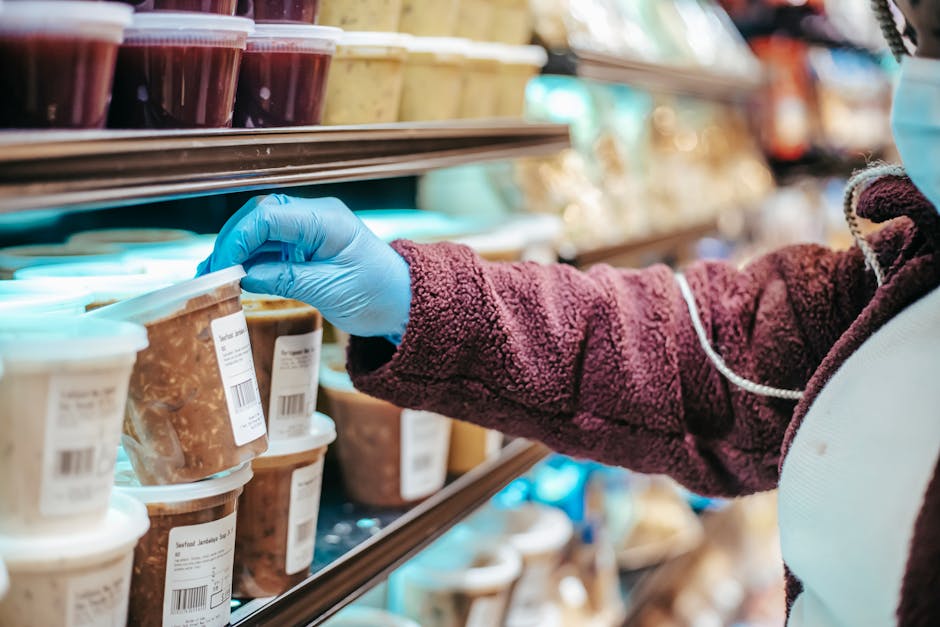
One of the easiest ways to start is by looking at labels. If a product has more than six ingredients—or if you can’t pronounce half of them—it’s probably highly processed. We recommend shopping the “perimeter” of the grocery store first. This is where the fresh produce, meat, and dairy live. The middle aisles are often “processed food minefields” filled with preservatives and artificial dyes.
The 80/20 Rule for Sanity
Sustainability is the secret sauce of any clean eating guide to lose weight. If you try to be perfect 100% of the time, you’ll likely burn out and end up face-down in a box of donuts by Tuesday. We suggest eating clean 80% of the time and leaving 20% for those occasional treats or social events. This flexibility prevents the “guilt cycle” that often accompanies stricter diets like Keto or Whole30.
Hormone Balance and Satiety
Clean eating isn’t just about cutting calories; it’s about biology. Whole foods help balance hormones like insulin, ghrelin (the hunger hormone), and leptin (the fullness hormone). When we eat refined sugars, our blood sugar spikes and crashes, leaving us ravenous. By making simple-diet-changes-for-better-health, such as choosing complex carbs over white flour, we keep our energy stable and our hunger in check.
What to Eat and Avoid for Sustainable Results
To see real change, we need to look at the composition of our plates. A lifelong healthy eating approach isn’t about deprivation; it’s about abundance—specifically an abundance of nutrients.
The Whole Foods vs. Processed Comparison
To help you visualize the difference, consider these common swaps:
| Choose This (Whole Food) | Instead of This (Processed) |
|---|---|
| Steel-cut or rolled oats | Sugary boxed cereal |
| Fresh fruit (berries, apples) | Fruit juice or fruit snacks |
| Plain Greek yogurt | “Low-fat” flavored yogurt (high in sugar) |
| Brown rice or Quinoa | White pasta or white bread |
| Avocado or Olive oil | Margarine or vegetable shortening |
By selecting the best-foods-for-healthy-weight-loss, you naturally lower your intake of “empty calories” that provide no nutritional value.
The 5-A-Day Rule and Hydration
We should all aim for a minimum of five portions of fruit and vegetables a day. Vegetables, in particular, should take up half your plate at lunch and dinner. They are high in fiber and water, which means they fill you up for very few calories. Speaking of water, hydration is a cornerstone of this lifestyle. We recommend drinking 6 to 8 cups (or about 2 liters) of fluid daily. Some experts even suggest drinking half your body weight in ounces to keep your metabolism humming. For more on this, check out our balanced-diet-plan-for-beginners.
Essential Foods in Your Clean Eating Guide to Lose Weight
If you want to feel energized while losing weight, you need the right building blocks.
- Lean Proteins: Think chicken breast, turkey, tofu, beans, and eggs. Protein is the most satiating macronutrient and helps preserve muscle mass as you lose fat. Our nutrition-guide-for-weight-management emphasizes getting protein at every meal to keep ghrelin levels low.
- Complex Carbohydrates: Don’t fear the carb! Just choose the right ones. Quinoa, sweet potatoes, and sprouted grains provide steady energy. These are much better for you than “white” versions which have been stripped of their fiber.
- Oily Fish: Aim for two portions of fish per week, with at least one being an oily fish like salmon or mackerel. These are packed with Omega-3 fatty acids, which are great for heart and brain health.
- Fiber Intake: High fiber is a “cheat code” for weight loss. Aim for at least 32 grams of fiber daily. It slows digestion and keeps you full longer. For more quick wins, see our easy-diet-tips-for-beginners.
Hidden Traps: Foods to Limit in Your Clean Eating Guide to Lose Weight
The food industry is clever. Many products marketed as “healthy” are actually weight-loss saboteurs.
- “Diet” and “Low-Fat” Products: When companies remove fat, they often add sugar to make the food taste better. Some low-fat yogurts contain up to 23 grams (6 teaspoons) of sugar in just half a cup!
- Liquid Calories: Sodas, sweetened coffees, and even some “healthy” smoothies can pack hundreds of calories without making you feel full. Stick to water, herbal tea, or black coffee.
- Added Sugars: The recommended limit is 6 teaspoons a day for women and 9 for men. Most of us exceed this before breakfast! Check labels for hidden names like high fructose corn syrup, maltodextrin, or dextrose. You can find more on this in our easy-diet-tips-for-beginners-2.
Practical Strategies for Meal Prep and Portion Control
Knowing what to eat is half the battle; the other half is having that food ready when you’re hungry.
Master the Prep
If you don’t have a plan, you’re at the mercy of the nearest drive-thru. We recommend “batch cooking” on Sundays. Roast a large tray of vegetables, cook a pot of quinoa, and grill several chicken breasts at once. Our healthy-meal-prep-guide-for-weight-loss can help you get started. Having pre-portioned containers in the fridge makes clean eating the “path of least resistance.”
Portion Control Hacks
Even healthy food has calories. To manage intake without obsessive counting, try these tips:
- Use Smaller Plates: A standard dinner plate makes a normal portion look small, tricking your brain into feeling deprived. A smaller plate looks full and satisfying.
- The 5-6 Meal Strategy: Some people find success eating 5-6 small meals every 2-3 hours. This keeps blood sugar stable and prevents the “starving” feeling that leads to overeating at dinner.
- Mindful Eating: Turn off the TV. When we eat while distracted, we often miss our body’s “I’m full” signals.
- Weigh Your Food: At least in the beginning, use a kitchen scale. Most of us vastly underestimate what a serving of pasta or nuts looks like. For more planning advice, visit our meal-planning-tips-for-weight-loss.
Sample 7-Day Clean Eating Meal Plan
To help you get started, here is a framework for a week of clean eating. This plan is designed to hit approximately 1,500 calories, which is a sweet spot for many women looking to lose weight (men may want to increase portions to hit 1,900-2,000 calories).
- Day 1: Breakfast: Greek yogurt with berries and a sprinkle of walnuts. Lunch: Quinoa and black bean salad with lime vinaigrette. Dinner: Baked salmon with roasted asparagus and half a sweet potato.
- Day 2: Breakfast: Two poached eggs on sprouted-grain toast with avocado. Lunch: Leftover salmon and asparagus. Dinner: Turkey meatballs with zucchini noodles and marinara sauce.
- Day 3: Breakfast: Overnight oats with chia seeds and sliced banana. Lunch: Large spinach salad with grilled chicken and sunflower seeds. Dinner: Lentil and vegetable soup.
- Day 4: Breakfast: Protein smoothie (spinach, protein powder, almond milk, frozen berries). Lunch: Turkey meatballs and zoodles. Dinner: Stir-fried tofu with broccoli, bell peppers, and brown rice.
- Day 5: Breakfast: Whole wheat toast with almond butter and apple slices. Lunch: Lentil soup. Dinner: Sheet-pan roast chicken with broccolini and cherry tomatoes.
- Day 6: Breakfast: Veggie omelet with peppers and onions. Lunch: Quinoa bowl with chickpeas, cucumber, and feta. Dinner: Grilled white fish with a large side of sautéed kale.
- Day 7: Breakfast: Muesli with raspberries and unsweetened almond milk. Lunch: Chickpea and cucumber salad. Dinner: Lean beef or bison burger (no bun) with a side salad and roasted carrots.
For more inspiration, see our weight-loss-meal-plan-ideas and our the-complete-guide-to-balanced-meals-for-sustainable-weight-loss.
Frequently Asked Questions about Clean Eating
How many calories should I eat to lose weight?
To lose weight sustainably, the average person should aim to reduce their daily intake by about 600 kcal. For men, this usually means targeting 1,900 calories per day. For women, the target is often 1,400 calories. However, the 2020-2025 Dietary Guidelines for Americans warn that dropping below 1,200 calories can make it difficult to meet your nutritional needs. It’s better to eat slightly more of the right foods than to starve yourself on the wrong ones.
Can I still eat out while eating clean?
Yes! You don’t have to be a hermit. When dining out, look for grilled, baked, or steamed options instead of fried. Ask for your salad dressing on the side and swap fries for extra vegetables. Most restaurants are happy to accommodate these simple requests. It’s about the 80/20 rule—one meal out won’t ruin your progress as long as your overall pattern is solid.
Is clean eating more expensive than a regular diet?
It can be, but it doesn’t have to be. While organic produce and “superfoods” carry a premium, staples like beans, lentils, brown rice, and frozen vegetables are incredibly budget-friendly. Buying in bulk and shopping for seasonal produce can also save you a significant amount of money. In many cases, cutting out expensive pre-packaged snacks and sodas actually lowers your total grocery bill.
Conclusion
At Quintal Florido, we believe that health shouldn’t be a chore or a punishment. By following this clean eating guide to lose weight, you are investing in your long-term health and vitality. This isn’t about rapid, fleeting results that disappear the moment you stop “dieting.” It’s about building evidence-based habits that you can maintain for the rest of your life.
Remember to be patient with yourself. Weight loss results are often attributed to 70% diet and 30% exercise, so focus on your plate first, but don’t forget to move your body in ways you enjoy. Consistency will always beat perfection.
For more guides and healthy food swaps, visit us at https://www.quintalflorido.com/. Happy eating!
