
Why Healthy Snack Meals Are the Smarter Way to Eat Between Meals
Healthy snack meals are mini-meals that give your body real nutrition — not just something to chew on until dinner.
Here are 30 quick ideas that work as snacks and meals:
| Snack Meal | Key Nutrients | Approx. Calories |
|---|---|---|
| Greek yogurt + berries | 16g protein, antioxidants | 150–200 |
| Cottage cheese + peaches + pecans | 16g protein, fiber | 215 |
| Apple slices + peanut butter | Protein, fiber, healthy fats | ~90 |
| Hard-boiled eggs + cucumber | Protein, vitamin K | ~100 |
| Roasted chickpeas | 7g protein, 6g fiber | ~120 |
| Tuna pouch + whole-grain crackers | Protein, omega-3s | ~150 |
| Edamame | 8g+ protein, iron | ~100 |
| Trail mix (nuts + dried fruit) | Protein, healthy fats | ~200 |
| Chia pudding + fruit | Fiber, omega-3s | ~150 |
| Hummus + baby carrots | Fiber, vitamin A | ~100 |
Most people think snacks are just fillers. They’re not.
Research shows that snacks make up roughly one-third of the average person’s daily calorie intake. That’s a huge opportunity — or a huge problem, depending on what you’re eating.
The issue is that most grab-and-go options are low in protein, low in fiber, and loaded with added sugar. They spike your energy for 20 minutes, then leave you crashing.
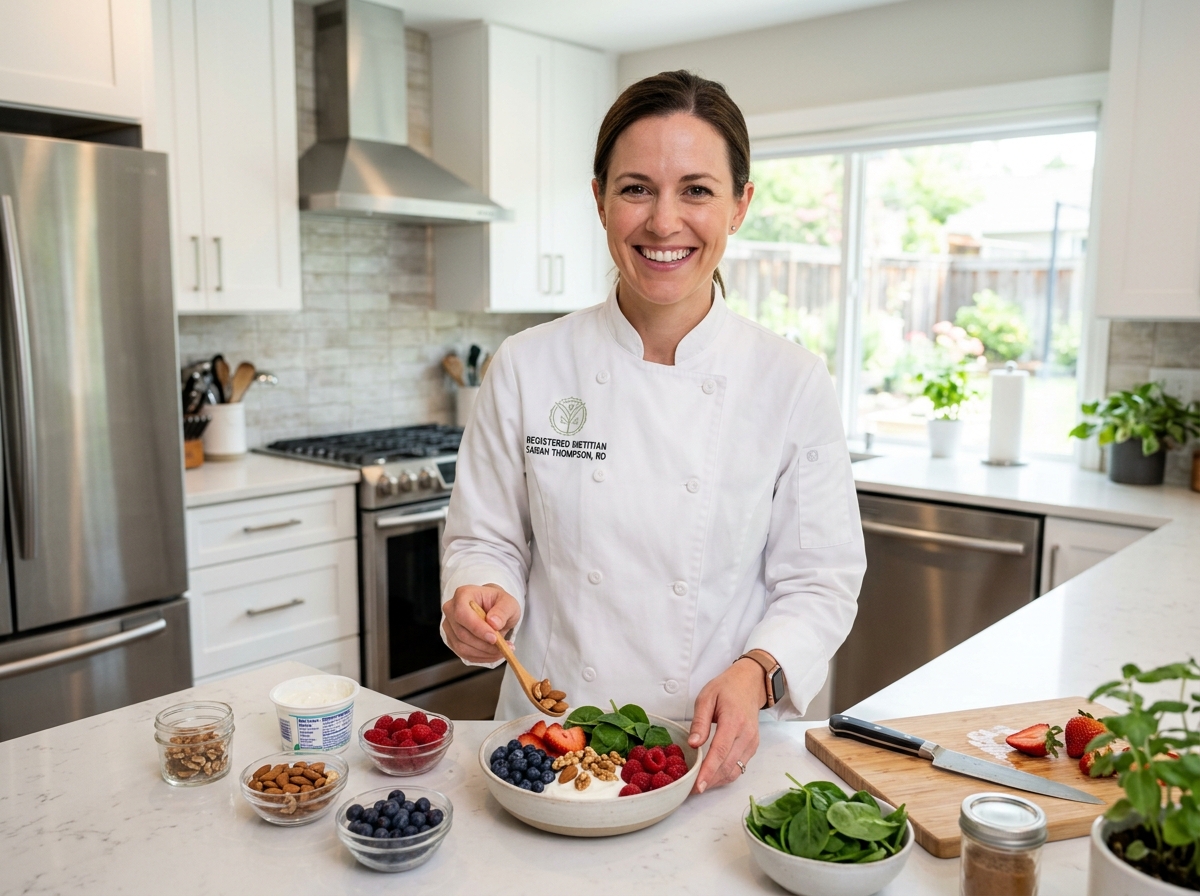
The fix is simpler than you think. Pair protein with produce — what registered dietitians call the “P+P combo” — and your snack becomes a real mini-meal that keeps you full, steady, and nourished.
No complicated recipes. No hours in the kitchen. Just smart combinations that work for busy people.

The Science of Building Balanced Healthy Snack Meals
When we talk about healthy snack meals, we are looking at more than just a quick fix for a growling stomach. We are looking at metabolic fuel. To turn a snack into a functional mini-meal, we need to understand the synergy between macronutrients.
The Power of the PFF Combo
While many dietitians advocate for the “Protein + Produce” (P+P) rule, we like to take it a step further with the “PFF” formula: Protein, Fiber, and Fat.
- Protein: This is the most satiating macronutrient. It signals the release of appetite-suppressing hormones and slows down the emptying of your stomach.
- Fiber: Found in fruits, vegetables, and whole grains, fiber adds bulk to your food without adding excessive calories. It keeps your digestive system moving and prevents blood sugar spikes.
- Healthy Fats: Fats from nuts, seeds, and avocados are essential for absorbing fat-soluble vitamins (A, D, E, and K) and provide long-lasting energy.
By combining these three, you create a “slow-burn” effect. Instead of a sharp insulin spike followed by a “hanger” crash, you get a steady stream of energy that can power you through a three-hour meeting or a tough workout.
Portion Control and Calorie Targets
A standard snack is usually around 100 to 150 calories. However, if you are using these as healthy snack meals to bridge long gaps between breakfast and lunch, or lunch and dinner, you should aim for 150 to 250 calories. For very active individuals, or those using a snack as a light meal replacement, 300 to 350 calories is often the sweet spot.
Understanding the science of building balanced snacks helps you avoid the common pitfall of “hidden calories.” For example, while nuts are incredibly healthy, a single ounce of almonds (about 28 grams) provides 6 grams of protein but also 160 calories. We recommend pre-portioning these into small jars or bags to avoid mindless overeating.
Beyond Calories: Micronutrients and Antioxidants
We shouldn’t just count calories; we should make calories count. Choosing snacks rich in Omega-3 fatty acids (like chia seeds or salmon) supports brain health and reduces inflammation. Meanwhile, colorful produce provides antioxidants that protect your cells from oxidative stress.
High-Protein Mini-Meals for Maximum Fullness
If your goal is weight management or muscle maintenance, protein is your best friend. It takes more energy for your body to digest protein than fats or carbs, a phenomenon known as the thermic effect of food.
The Dairy Powerhouses
Dairy is one of the easiest ways to hit high protein targets quickly.
- Greek Yogurt: A standard 156g serving of nonfat plain Greek yogurt provides a massive 16 grams of protein. We love mixing it with a teaspoon of honey or a handful of berries to hit that P+P requirement.
- Cottage Cheese: Often underrated, a half-cup (113g) of low-fat cottage cheese delivers 14 grams of protein. It is incredibly versatile; you can go sweet with peaches and pecans or savory with sliced cucumbers and cracked black pepper.
For those who prefer a drinkable option, check out these high-protein snack smoothie ideas that utilize protein powders or Greek yogurt bases.
Portable Protein Sources
- Hard-Boiled Eggs: One hard-boiled egg provides almost 6 grams of high-quality protein and essential nutrients like choline. They are the ultimate “grab-and-go” food.
- Jerky: Whether it’s beef, turkey, or salmon, jerky is a protein dense-option. One ounce (28g) of beef jerky contains about 9 grams of protein. Just be sure to look for low-sodium versions without added nitrates or excessive sugars.
- Tofu and Edamame: For our plant-based friends, a 3-oz serving of firm tofu contains 9 grams of protein. You can bake tofu cubes with nutritional yeast for a cheesy, high-protein crunch. Edamame is another winner, offering 8 grams of protein per half-cup.
Seafood on the Go
Canned or pouched tuna and salmon are game-changers for healthy snack meals. A single pouch of tuna can provide upwards of 20 grams of protein. Pair it with whole-grain crackers or scoop it up with bell pepper “boats” for a low-carb, high-protein lunch alternative.
Quick and Portable Healthy Snack Meals
Life doesn’t stop for meal prep. When you’re “chasing deadlines, kids, or trails,” you need snacks that can survive a backpack or a hot car.
The “Roll-Up” Strategy
Turkey roll-ups are essentially a sandwich without the bread. Take a slice of high-quality turkey breast, add a slice of bell pepper or a smear of hummus, and roll it up. It’s a 6.5-gram protein hit that feels like a real meal.
Smart Smoothies and Liquids
Smoothies are the ultimate portable meal. By blending spinach, frozen fruit, and a protein source, you get a nutrient-dense meal in a cup. We’ve found that healthy and delicious work or school snack smoothies are particularly effective for students and office workers who don’t have time for a sit-down lunch.
The Bento Box Method
Bento boxes aren’t just for kids. Creating a “grown-up” snack box is a great way to ensure variety. We suggest filling the compartments with:
- String Cheese: A quick 6-7 grams of protein.
- Whole-Grain Crackers: For complex carbohydrates and fiber.
- Nut Butter Packets: Almond or peanut butter provides healthy fats.
- Roasted Chickpeas: These provide 7g of protein and 6g of fiber per half-cup, giving you a satisfying crunch that rivals potato chips.
Low-Calorie Healthy Snack Meals Under 150 Calories
Sometimes you want a high volume of food without a high volume of calories. This is where “produce-heavy” snacks shine.
High-Volume Crunch
- Air-Popped Popcorn: You can eat six whole cups of air-popped popcorn for only 100 calories. Because it requires a lot of chewing, it is psychologically very satisfying. Sprinkle it with nutritional yeast for a B-vitamin boost and a cheesy flavor.
- Jicama and Bell Peppers: Jicama is a root vegetable that is incredibly low in calories (about 45 per cup) but high in fiber. Slice it into “fries” and dip them in salsa for a hydrating, crunchy snack.
Sweet and Refreshing
- Frozen Grapes and Mango: If you have a sweet tooth, frozen fruit is “nature’s candy.” Frozen mango chunks have a creamy texture similar to sorbet, while frozen grapes provide a burst of hydration.
- Tomato Soup: A single cup of low-sodium tomato soup can be as low as 74 calories. It’s warm, comforting, and provides a good dose of lycopene.
For more inspiration on keeping things light, browse our low-calorie snack recipes.
Calorie Density Comparison Table
| Snack (100 Calories) | What You Get | Why It Works |
|---|---|---|
| Almonds | ~14 nuts | High protein/fat, very dense |
| Baby Carrots + Hummus | 8 carrots + 2 tbsp hummus | High fiber, vitamin A |
| Apple + Peanut Butter | 1 small apple + 2 tsp PB | Sweet/salty, high satiety |
| Popcorn | 6 cups (air-popped) | High volume, high fiber |
| Edamame | 1/2 cup (shelled) | High protein, iron |
Plant-Based and Family-Friendly Options
Getting the whole family on board with healthy snack meals can be a challenge, but it’s all about presentation and fun textures.
Creative Plant-Based Staples
- Chia Seed Pudding: This is a nutritional powerhouse. Chia seeds are rich in Omega-3s and fiber. When soaked in plant-based milk overnight, they create a pudding-like consistency. Top with berries for a 13-gram fiber boost.
- Avocado Toast: Use a small slice of sprouted grain bread and top it with a quarter of an avocado and hemp hearts. This provides healthy fats, fiber, and a bit of plant-based protein.
- Ants on a Log: The classic celery, peanut butter, and raisin combo is still a dietitian favorite. It provides “crunchy sweetness” and a dose of nostalgia.
Nutritious Snacks for Kids and Families
For children, snacks are often essential to meet their high energy needs. However, we want to avoid the “sugar-crash” cycle.
Kid-Approved Mini-Meals
- Frozen Yogurt Dots: Simply drop small dollops of Greek yogurt onto a baking sheet and freeze. A serving of ten has only 50 calories and 3 grams of sugar, making them a much better alternative to processed fruit snacks.
- Mini Banana Muffins: By using fruit to sweeten muffins instead of refined sugar, you can create a snack that kids love. Our easy snack ideas for kids focus on these whole-food swaps.
- Apple “Donuts”: Slice an apple into rounds, remove the core, and let the kids “frost” them with almond butter and sprinkle with sunflower seeds or hemp hearts.
For those busy mornings before school, easy and nutritious smoothie snacks for kids are a great way to sneak in some spinach or flaxseeds without them even noticing.
Frequently Asked Questions about Healthy Snacking
How do healthy snacks contribute to cancer prevention?
This is a critical area of research. The American Institute for Cancer Research (AICR) notes that snacks provide about one-third of our daily calories. If those calories come from ultra-processed “treats,” they contribute to weight gain. Excess body fat is linked to a higher risk of developing at least 13 different types of cancer.
By choosing healthy snack meals based on whole plants (vegetables, fruits, legumes, and nuts), you increase your intake of fiber and phytochemicals. These compounds help protect cells from damage. A plant-based snacking strategy isn’t just about weight; it’s about flood-loading your system with the tools it needs to maintain health at a cellular level.
What are common snacking pitfalls to avoid?
- The “100-Calorie Pack” Trap: Many commercial 100-calorie packs are made of refined flour and sugar. They lack protein and fiber, meaning you’ll be hungry again in ten minutes.
- Mindless Eating: Eating straight out of a large bag makes it impossible to track portions. Always put your snack on a plate or in a bowl.
- Confusing Thirst for Hunger: Dehydration often mimics hunger pangs. We recommend drinking a glass of water before reaching for a snack to see if that satisfies the craving.
- Lack of Protein: A snack that is purely carbohydrates (like an apple by itself) will digest quickly. Always pair it with a protein or fat to slow down digestion.
Are there snack meal ideas for keto or gluten-free diets?
Absolutely. Snacking is often easier on these diets because they prioritize whole foods.
- Keto-Friendly: Focus on high-fat, moderate-protein options like olives, hard cheeses, macadamia nuts, and avocado. Salmon pinwheels (smoked salmon rolled with a little cream cheese and cucumber) are a delicious, elegant keto snack.
- Gluten-Free: Most produce-based snacks are naturally gluten-free. Roasted chickpeas, pumpkin seeds, and flaxseed crackers are excellent crunchy alternatives to wheat-based crackers.
Conclusion: Making Healthy Snacking a Habit
At Quintal Florido, we believe that long-term health isn’t built on restrictive dieting, but on consistent, wholesome habits. Healthy snack meals are a powerful tool in your nutritional arsenal. They prevent the “starvation mode” that leads to overeating at dinner and ensure your body has a steady supply of vitamins and minerals throughout the day.
Whether you are prepping a cottage cheese jar for a busy workday or whipping up a chia pudding for a quick breakfast, remember the P+P formula. By prioritizing protein and produce, you are choosing to fuel your body with intention.
Ready to dive deeper into nutritious eating? Explore our full guide to healthy snacks for more evidence-based tips and recipes to support your journey toward a balanced, wholesome lifestyle.
