
Why Balanced Meal Prep Ideas Are the Smartest Health Habit You Can Build
Balanced meal prep ideas make it possible to eat well every day — even when life gets busy.
Here’s a quick snapshot of what balanced meal prep looks like in practice:
| Meal | Example | Key Nutrients |
|---|---|---|
| Breakfast | Protein overnight oats | Protein, fiber, healthy fats |
| Lunch | Turkey meatball quinoa bowl | Protein, complex carbs, fiber |
| Dinner | Sheet pan chicken and roasted veg | Protein, vitamins, slow carbs |
| Snack | Greek yogurt with berries | Protein, antioxidants |
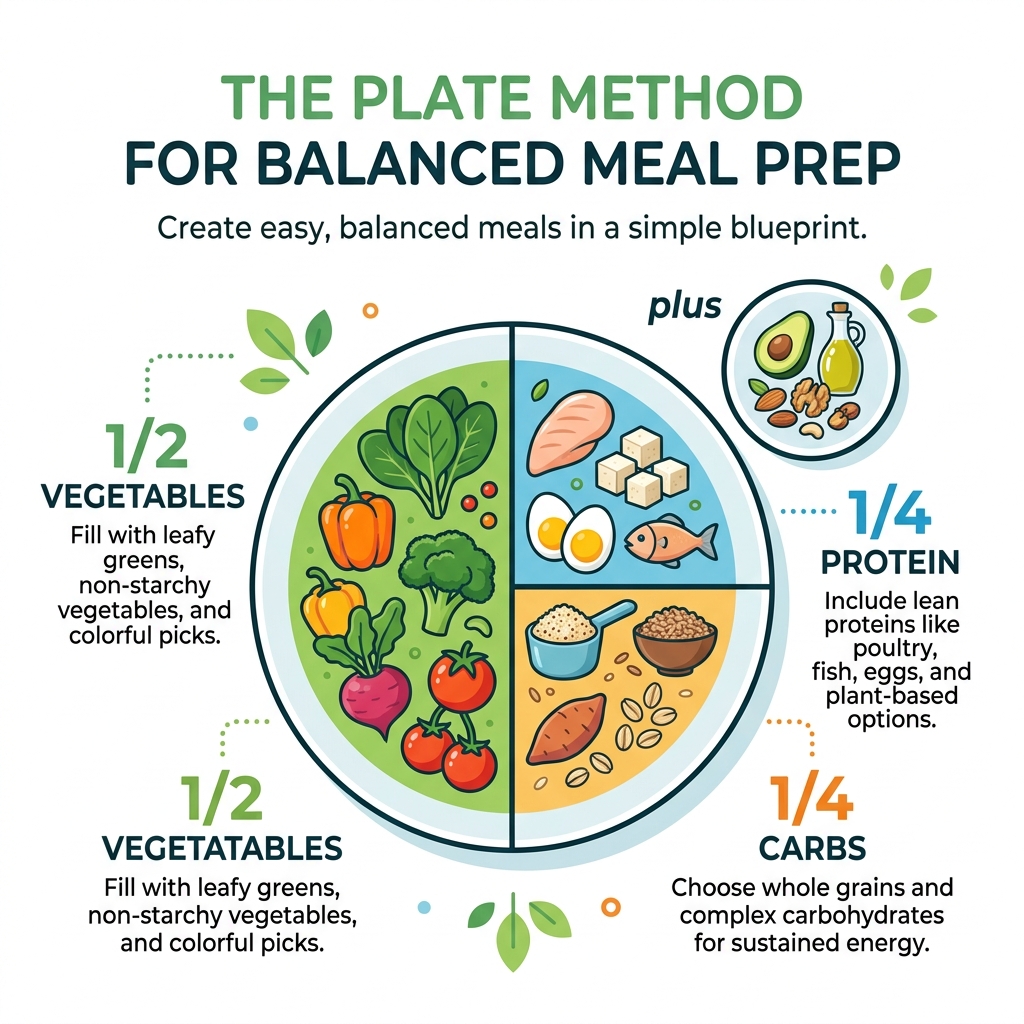
The core formula for every balanced meal:
- Protein — chicken, turkey, eggs, tofu, legumes
- Complex carbs — quinoa, oats, brown rice, sweet potato
- Vegetables — fill at least half your plate
- Healthy fat — olive oil, avocado, nuts
Sound familiar? You get home after a long day, open the fridge, and nothing is ready. So you order takeout — again.
It’s not a willpower problem. It’s a planning problem.
The good news: a focused two-hour session on the weekend can cover most of your meals for the entire week. Busy parents and professionals who meal prep consistently report less stress, better eating, and real savings on their grocery bills.
This guide walks you through exactly how to do it — step by step.
The Fundamentals of Balanced Meal Prep Ideas
When we talk about balanced meal prep ideas, we aren’t just talking about putting food in Tupperware. We are talking about creating a nutritional “blueprint” that keeps your energy stable, your hunger managed, and your taste buds happy. At Quintal Florido, we believe that the best meal prep is the one you actually enjoy eating on Wednesday afternoon.
The primary goal of balancing your meals is to achieve satiety—that “full and satisfied” feeling that prevents you from raiding the snack drawer an hour after lunch. This is achieved by combining three heavy hitters: protein, fiber, and healthy fats.
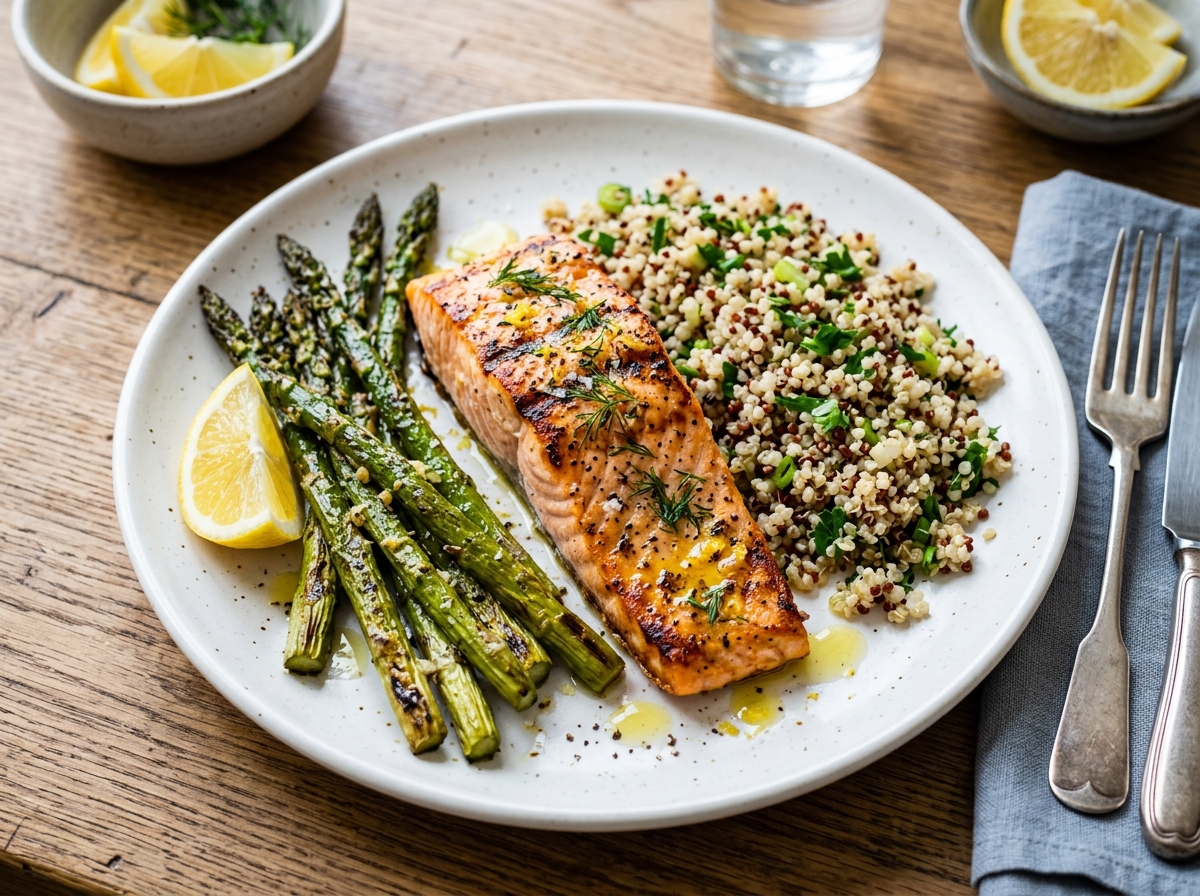
- Protein is the building block of muscle and the most satiating macronutrient.
- Fiber (found in veggies and whole grains) slows down digestion and keeps your gut healthy.
- Healthy fats help you absorb vitamins and provide long-lasting fuel.
To dive deeper into the basics, you can learn more about building a balanced diet plan which serves as a perfect foundation for your prepping journey. Once you understand these pillars, you can start exploring budget-friendly balanced recipe collections that focus on flavorful ingredients that won’t break the bank.
Defining the Balanced Plate
If you want to keep things simple, use your hands as a guide. This “portion cue” method is a lifesaver when you don’t want to weigh every single leaf of spinach.
- Vegetables (The Foundation): Fill half your container with colorful veggies. Think roasted broccoli, sautéed kale, or sliced bell peppers.
- Protein (The Anchor): A portion about the size of your palm. This could be a chicken breast, a fillet of cod, or a serving of tofu.
- Complex Carbs (The Energy): A cupped-hand portion of “slow” carbs like quinoa, brown rice, or sweet potato.
- Healthy Fats (The Flavor): A thumb-sized portion of fats, such as a drizzle of olive oil, a few slices of avocado, or a sprinkle of nuts.
By following this pattern, you ensure you’re getting the micronutrients your body needs without the “food coma” that comes from a carb-heavy meal. For a more detailed breakdown of how nutrients interact, check out our more info on meal planning for nutrition.
Benefits for Weight Loss and Budget
One of the biggest hurdles to healthy eating is “decision fatigue.” By the time 6:00 PM rolls around, our brains are tired of making choices. This is when the pizza delivery app starts looking very tempting.
Balanced meal prep ideas eliminate this fatigue. When the choice is already made (and sitting in the fridge), you are far more likely to stick to your goals. Research shows that meal prepping can help you control portions and lower your overall calorie intake, which is essential if weight loss is your target. In fact, many high-fiber and high-protein recipes are specifically designed to help you lose weight by keeping you full on fewer calories. You can read more in the ultimate guide to meal prep for weight loss.
From a financial perspective, meal prepping is like giving yourself a raise. Buying in bulk and cooking at home drastically reduces the “convenience tax” we pay for grab-and-go meals. Strategic prepping can save you thousands of dollars a year.
Essential Tools and Food Safety for Success
You wouldn’t build a house without a hammer, and you shouldn’t start meal prepping without the right gear. Investing in high-quality tools makes the process faster and keeps your food tasting fresh.
The Must-Have List:
- Glass Containers: We highly recommend glass over plastic. Glass doesn’t stain, doesn’t retain odors, and is safer for reheating in the microwave. Look for “Smart Seal” or leakproof lids to avoid backpack disasters.
- Food Scale: While hand portions are great for assembly, a digital scale is helpful for batch cooking and ensuring you have enough protein for the whole week.
- Sheet Pans and Large Pots: Efficiency is key. You want to be able to roast two chickens or a mountain of veggies at the same time.
For more inspiration on how to pack your meals creatively, explore these innovative meal prep container recipes.
Safe Storage and Reheating Practices
Nothing ruins a meal prep habit faster than food poisoning. Following USDA food safety guidance is non-negotiable for us.
Storage Timelines: Most cooked meals stay fresh in the fridge for 3 to 4 days. If you are prepping for a full seven days, you must use your freezer. We suggest labeling your containers with the date so you don’t have to play the “is this still good?” guessing game.
| Food Item | Fridge Life | Freezer Life |
|---|---|---|
| Cooked Chicken/Turkey | 3-4 Days | 2-4 Months |
| Cooked Grains (Rice/Quinoa) | 4-6 Days | 6 Months |
| Roasted Vegetables | 3-4 Days | 2-3 Months |
| Hard-Boiled Eggs | 7 Days | Do not freeze |
Reheating Tips: To keep meat from getting rubbery, add a splash of water or broth before microwaving and cover it loosely. Always reheat leftovers to an internal temperature of 165°F. For items like stir-fries or “Egg Roll in a Bowl,” a quick toss in a skillet can revive the texture better than a microwave ever could. For more tips on organizing your fridge, see maximizing space with the right container ideas.
High-Protein and High-Fiber Balanced Meal Prep Ideas
If you want to feel like a superhero, focus on the protein-fiber duo. High-protein meals support muscle maintenance and metabolism, while fiber keeps your digestion moving and your blood sugar stable.
A classic example we love is the Spinach & Feta Turkey Meatball Bowl. By mixing ground turkey with fiber-rich spinach and serving it over herbed quinoa, you get a meal that packs over 30 grams of protein and 6 grams of fiber. It’s a powerhouse lunch that stores beautifully for four days.
If you’re looking to gain muscle or simply stay energized during a workout-heavy week, check out our guide on building muscles with high-protein meal prep.
Step-by-Step: The 2-Hour “Power Hour” Strategy
The secret to successful balanced meal prep ideas isn’t spending all Sunday in the kitchen. It’s about the “Power Hour”—a focused, two-hour session where you multitask like a pro.
The Power Hour Workflow:
- Minutes 0-15: Preheat the oven and start your “long-cook” items. Get your brown rice, quinoa, or steel-cut oats simmering on the stove.
- Minutes 15-45: Chop your veggies and season your proteins. Use two sheet pans—one for meat (like chicken thighs or salmon) and one for hearty veggies (like sweet potatoes and Brussels sprouts).
- Minutes 45-90: While the oven does the work, assemble “no-cook” items. Mix your overnight oats, portion out Greek yogurt jars, or whip up a homemade vinaigrette.
- Minutes 90-120: Let everything cool! This is crucial. Putting hot food in a sealed container creates steam, which leads to soggy veggies. Once cool, portion into containers and label them.
For those with a packed schedule, we have more tips in simple and quick meal prep for busy individuals.
Structuring Your Weekly Balanced Meal Prep Ideas
Don’t feel like you have to cook 21 identical meals. Instead, think about “component prepping.” This means cooking large batches of base ingredients that you can mix and match.
- The Base: A big pot of grains (quinoa/farro) and a big tray of roasted greens.
- The Protein: Two different types, like lemon-herb chicken and seasoned black beans.
- The “Revivers”: Different sauces (tahini, pesto, or hot sauce) to change the flavor profile so you don’t get bored by Wednesday.
You can find a structured 7-day plan to get you started in our guide on healthy meal prep ideas for a week of delicious dishes.
Avoiding Common Beginner Mistakes
We’ve all been there: you prep five days of salad, and by Tuesday, it’s a wilted, soggy mess. Here is how to avoid the most common pitfalls:
- The Soggy Salad Syndrome: Always put your dressing at the bottom of the container or in a separate small jar. Layer hearty items (like chickpeas or cucumbers) next, and keep the leafy greens at the very top.
- Over-Prepping: Don’t try to make five new, complex recipes in one day. Start with one or two “anchor” meals and fill the rest with simple snacks.
- Under-Seasoning: Food loses a bit of its “punch” after sitting in the fridge. Don’t be afraid to use fresh herbs, citrus, and spices.
For a deeper dive into what not to do, read our beginner’s guide to easy meal prep recipes.
Customizing Recipes for Diverse Dietary Needs
The beauty of balanced meal prep ideas is that they are infinitely customizable. Whether you are plant-based, gluten-free, or just trying to eat more greens, the “Plate Method” still applies.
- Vegan/Plant-Based: Swap animal proteins for tofu, tempeh, lentils, or chickpeas. A “Vegan Superfood Grain Bowl” with kale, quinoa, and a tahini dressing is a nutrient-dense powerhouse. Check out our delicious vegan meal prep inspiration for more ideas.
- Gluten-Free: Most whole foods are naturally gluten-free. Focus on rice, quinoa, potatoes, and plenty of fresh produce.
- Low-Carb: Replace grains with cauliflower rice or extra leafy greens. Our low-carb meal prep recipes for a healthier week can help you transition smoothly.
Beginner-Friendly Balanced Meal Prep Ideas
If you’re just starting, don’t overcomplicate it. Here are four “fail-proof” ideas:
- Overnight Oats: Mix oats, milk (or soymilk), Greek yogurt, and chia seeds in a jar. Let it sit overnight. It’s a grab-and-go breakfast with 15-20g of protein.
- Sheet Pan Fajitas: Toss sliced peppers, onions, and chicken strips with taco seasoning. Roast for 20 minutes. Serve with pre-washed greens or corn tortillas.
- Bento Boxes: Perfect for those who hate reheating. Pack hard-boiled eggs, cheese cubes, grapes, almonds, and cucumber slices.
- Adult Lunchables: Turkey slices, whole-grain crackers, hummus, and carrot sticks.
These are also great for families! We have a whole list of kid-friendly meal prep recipes everyone will love that take the stress out of school lunches.
Flavor Boosters to Prevent Boredom
Boredom is the enemy of consistency. If your food tastes like cardboard, you won’t eat it. We suggest keeping a “flavor station” in your pantry.
- Acids: A squeeze of fresh lemon or lime can “wake up” a dish that has been in the fridge for two days.
- Fresh Herbs: Cilantro, parsley, and green onions add a fresh crunch.
- Homemade Sauces: A quick peanut sauce (PB, soy sauce, ginger, lime) or a Greek yogurt garlic dip can transform a plain chicken and rice bowl into a gourmet meal.
- Crunch: Add nuts or seeds just before eating to maintain texture.
For more inspiration on keeping your lunches exciting, see our work week healthy lunch prep ideas.
Frequently Asked Questions about Meal Prepping
How long can prepped meals safely last in the fridge?
As a general rule, 3 to 4 days is the sweet spot for peak freshness and safety. Some items, like hardy stews or kale salads, can push to 5 days, but seafood and soft veggies are best eaten within the first 48-72 hours. If you prep on Sunday, plan to eat your fish dishes on Monday/Tuesday and your chicken or vegetarian dishes later in the week.
Can I meal prep if I have a very small kitchen?
Absolutely! The key is “staggered prep.” Instead of trying to have every ingredient out at once, focus on one category at a time (e.g., chop all veggies first, then clear the space to cook proteins). Using a single sheet pan for an entire meal is also a huge space-saver.
How do I keep my meal-prep salads from getting soggy?
The “Mason Jar” method is your best friend. Put the dressing at the very bottom, followed by hard veggies (carrots, chickpeas), then grains, then protein, and finally the leafy greens at the top. This keeps the delicate leaves away from the moisture until you’re ready to shake it up and eat.
Conclusion
At Quintal Florido, we believe that healthy eating shouldn’t feel like a chore. By mastering a few balanced meal prep ideas, you aren’t just saving time—you’re investing in your long-term health and well-being. Whether you’re using the “Power Hour” strategy or just batch-cooking a few extra chicken breasts for the week, every step toward organization is a step toward a more vibrant, energetic you.
Sustainable habits are built one container at a time. We encourage you to start small, stay consistent, and don’t be afraid to experiment with new flavors. Ready to take the next step? Discover more expert nutrition tips and guides on our site to keep your journey going. Happy prepping!
