
What Are Juice Whole Fruit Smoothies (and Why Should You Make One Today)?
Juice whole fruit smoothies are blended drinks that combine real, whole fruits with a juice base — giving you the natural fiber, vitamins, and sweetness of whole fruit in a fast, drinkable form.
Quick answer — here’s what you need to know:
- What they are: Whole fruits (fresh or frozen) blended with fruit juice as the liquid base
- Why they’re better than store-bought: More fiber, more nutrients, less added sugar
- How long they take: About 5–10 minutes, start to finish
- Basic formula: 1½ cups juice + 1 cup whole fruit + optional thickener + optional add-ins
- Best for: Quick breakfasts, healthy snacks, or a nutritious meal on the go
Think about your average morning. You’re rushed, you skip breakfast, or you grab something processed. Sound familiar?
A homemade smoothie fixes that. In the same time it takes to make toast, you can blend a drink packed with real fruit, fiber, and vitamins.
And unlike a glass of plain juice — which strips away the fiber and concentrates the sugar — a whole fruit smoothie keeps everything intact. The fiber. The nutrients. The natural fullness that helps you stay satisfied longer.
The difference is real. A classic mall-style orange drink can contain more sugar than a soda, with no fiber and no protein. A homemade version made with whole oranges, banana, and a splash of orange juice can deliver 6g of protein, 5g of fiber, and over 75mg of Vitamin C — all from natural ingredients.
This guide will walk you through everything: ingredients, technique, flavor combinations, and storage tips.
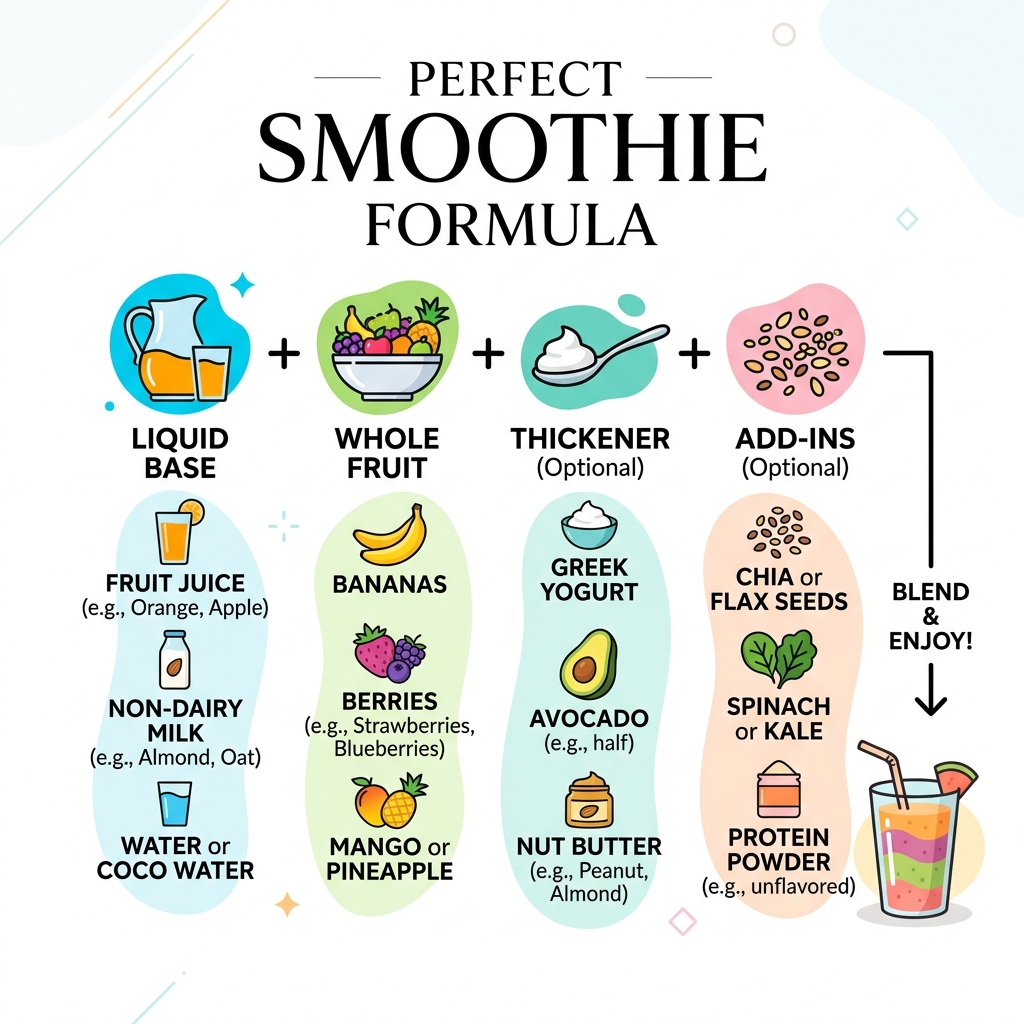
The Health Benefits of Juice Whole Fruit Smoothies
When we talk about juice whole fruit smoothies, we aren’t just talking about a tasty treat. We are talking about a nutritional powerhouse. By using the entire fruit-skin, pulp, and all-we ensure that nothing is wasted.
One of the biggest advantages of making these at home is the control you have over the ingredients. Store-bought smoothies are often “fruit-flavored” sugar bombs. In fact, many commercial versions are devoid of protein and fiber, even if they boast high Vitamin C levels. When we make them ourselves, we can balance the natural sugars with fiber and protein to create a sustained energy boost rather than a mid-morning crash.
Why Whole Fruit Beats Juicing Alone
You might wonder, “Why not just drink a glass of juice?” The answer lies in the fiber. When you juice a fruit, you remove the insoluble fiber. This fiber is crucial because it slows down the absorption of sugar into your bloodstream.
In juice whole fruit smoothies, the soluble fiber remains. This helps with blood sugar regulation and keeps you feeling full (satiety) for much longer. Furthermore, many of the most potent antioxidants, like flavonoids, are found in the colorful skins and fibrous pulps of fruits. By blending the whole fruit, you retain these vital nutrients. For those just starting out, check out a-guide-to-fruit-smoothie-recipes-for-beginners/ for more on the basics of whole-fruit blending.
Comparing Nutritional Stats
The numbers don’t lie. Let’s look at how a homemade healthy orange smoothie compares to a traditional processed mall version:
| Feature | Store-Bought “Juice” Drink | Homemade Whole Fruit Smoothie |
|---|---|---|
| Sugar Source | Added Syrups/Concentrates | Natural Fruit Sugars |
| Fiber | 0g | 5g – 6g |
| Protein | 0g | 6g – 8g (with yogurt/flax) |
| Vitamin C | High (often synthetic) | High (77mg+ natural) |
| Satiety | Low (hungry soon after) | High (full for hours) |
By choosing whole fruits, you bridge the “fiber gap” that most modern diets suffer from. If you are watching your weight, you can expect-low-calories-in-these-tasty-smoothie-recipes/ while still feeling completely satisfied.
Essential Ingredients for Your Smoothie Base
To master juice whole fruit smoothies, you need to understand your building blocks. A great smoothie is a balance of texture, flavor, and nutrition.
Fresh vs. Frozen Fruit
We often get asked which is better. The truth? Both have a place in your kitchen.
- Fresh Fruit: Best for seasonal flavors. If you have berries about to go bad or a perfectly ripe peach, toss them in! Fresh fruit provides a vibrant, light flavor.
- Frozen Fruit: This is our secret weapon for texture. Frozen fruit acts like ice but without diluting the flavor. It makes your smoothie thick, frosty, and creamy. Plus, frozen produce is often picked at peak ripeness and frozen immediately, meaning it retains high nutrient quality.
For those following a plant-based lifestyle, whipping-up-vegan-smoothie-recipes-at-home/ offers great insights into using frozen tropical fruits like mango and pineapple for a dairy-free creamy finish.
Choosing the Best Liquid Base for Juice Whole Fruit Smoothies
While some people use water or milk, using fruit juice as a base adds an extra layer of flavor and vitamins. Here are our top recommendations:
- Orange Juice: A classic choice. It’s sweet, tangy, and pairs perfectly with almost any fruit. Always look for 100% juice with no added sugars.
- Pineapple Juice: This adds a tropical “zing” and is naturally very sweet, which means you won’t need any extra honey or maple syrup.
- Apple Juice: A milder base that lets the flavors of your whole fruits (like berries or kale) shine through.
Nutritional Boosters and Add-ins
Once you have your juice and fruit, it’s time to level up. These add-ins can turn a snack into a meal:
- Greek Yogurt: Adds a creamy texture and a massive protein punch.
- Whey or Pea Protein: Excellent for muscle recovery. For active individuals, these high-protein-snack-smoothie-ideas-for-fitness-lovers/ are essential.
- Seeds (Flax and Chia): These provide Omega-3 fatty acids and even more fiber. Ground flaxseed is so versatile we think it should go in almost everything!
- Leafy Greens: Spinach is the perfect “beginner” green because it has a mild flavor that gets completely hidden by the fruit. If you’re looking for a “reset,” try these green-smoothie-recipes-for-a-natural-detox/.
Mastering the Blend: Step-by-Step Instructions
Believe it or not, the order in which you add ingredients matters for the longevity of your blender and the smoothness of your drink.
- Liquids First: Always pour your juice in first. This creates a “whirlpool” effect that pulls the solid ingredients down into the blades.
- Fresh Produce and Powders: Add your fresh fruits, yogurt, and protein powders next.
- Leafy Greens: If you’re using spinach or kale, add it now so it spends the most time near the blades for a grit-free finish.
- Frozen Fruit and Ice: These go on top. Their weight helps push the other ingredients down.
Achieving the Perfect Texture in Juice Whole Fruit Smoothies
Nobody likes a chunky smoothie. To get that silky, professional consistency:
- Use a Frozen Banana: This is the “gold standard” for creaminess. It mimics the texture of soft-serve ice cream.
- Start Low, Go High: Start your blender on the lowest speed to break up the big chunks, then quickly ramp up to the highest speed for 30–60 seconds.
- The Tamper is Your Friend: If your blender came with a plastic stick (a tamper), use it to push frozen chunks toward the blades while blending.
- Balance Your Ratios: A good rule of thumb is 1 cup of frozen ingredients for every 1 cup of liquid/fresh ingredients. If it’s too thick, add a splash more juice.
Popular Flavor Combinations and Recipes
Ready to get blending? Here are some tried-and-true combinations that never fail.
The Healthy Orange Cream Smoothie
This is a nostalgic favorite made healthy.
- Base: ½ cup orange juice and ½ cup Greek yogurt.
- Whole Fruit: 1 segmented orange and 1 frozen banana.
- Boosters: 1 tsp vanilla extract and 1 tbsp ground flaxseed.
- Result: A frothy, creamy dream that tastes like a creamsicle but keeps you full until lunch.
The Berry Blast
- Base: 1 cup apple or pomegranate juice.
- Whole Fruit: 1½ cups mixed frozen berries (strawberries, blueberries, raspberries).
- Boosters: A handful of spinach (trust us, you won’t taste it!).
Tropical Pineapple Dream
- Base: 1 cup pineapple juice.
- Whole Fruit: 1 cup frozen mango and ½ a fresh banana.
- Texture Tip: Add a dollop of coconut yogurt for extra creaminess. You can find more inspiration for basic fruit smoothies by experimenting with different seasonal produce.
Kid-Friendly and Family Favorites
Smoothies are the ultimate “stealth health” tool for parents. If you have a picky eater, juice whole fruit smoothies are a godsend. By involving kids in the process—letting them drop the strawberries in or push the button—they are much more likely to drink the final product.
We call our family favorite the “Everything Smoothie.” It’s a way to “eat the rainbow” by tossing in a little bit of everything in the fridge. It’s a great way to reduce kitchen waste! For more kid-approved ideas, see easy-and-nutritious-smoothie-snacks-for-kids/.
Storage and Meal Prep for Busy Mornings
We know life is hectic. You don’t always have time to chop fruit at 7:00 AM.
- Freezer Bags: Spend 20 minutes on Sunday portioning your fruit and “add-ins” (like seeds or spinach) into quart-sized freezer bags. In the morning, just dump the bag into the blender, add juice, and go.
- Mason Jars: You can store a blended smoothie in the fridge for up to 2 days. It might separate or thin out, so just give it a good shake before drinking.
- Smoothie Cubes: If you have leftovers, pour them into an ice cube tray. You can pop these “smoothie cubes” into a glass of water or juice later for a flavored chill, or toss them into your next blend.
- Popsicles: Leftover smoothie mixture makes incredible healthy popsicles for kids!
For more tips on staying energized throughout the day, check out our guide on quick-healthy-smoothies-for-energy/.
Frequently Asked Questions about Fruit Smoothies
Is it better to use fresh or frozen fruit?
Frozen fruit is generally superior for smoothies. It creates a thicker, frostier texture without the need for excess ice, which can water down the flavor. It also prevents spoilage—no more throwing away fuzzy strawberries! However, if you have fresh, seasonal fruit at its peak, use it! Just be sure to add a few ice cubes or a frozen banana to keep the temperature down.
What is the correct order to add ingredients to the blender?
Always: Liquids -> Soft/Fresh Ingredients -> Greens -> Frozen Items -> Ice. This order protects your blender’s motor and ensures a smooth, consistent blend every time. Adding liquids first ensures the blades can move freely from the start.
How do I make my smoothie thicker without adding more calories?
The best way to add thickness without a calorie explosion is using ice cubes or more frozen fruit (like zucchini or cauliflower—yes, really! They are flavorless when frozen and blended). A high-speed blender also helps “whip” the air into the mixture, making it fluffier. You can also try using a tiny pinch of xanthan gum if you’re feeling like a kitchen scientist, but usually, a frozen banana does the trick perfectly.
Conclusion
At Quintal Florido, we believe that healthy eating shouldn’t be a chore. Juice whole fruit smoothies are one of the simplest “healthy food swaps” you can make. By trading a processed breakfast bar or a sugary coffee drink for a whole-food blend, you are investing in your long-term health.
Whether you’re looking for a classic four-fruit blend or a refreshing mix of orange juice and berries, the key is to experiment and find what you love.
Start with the basic formula, play with your favorite juices, and don’t be afraid to toss in a handful of greens. Your body (and your taste buds) will thank you. For more evidence-based nutrition guides and wholesome diet tips, visit us at https://www.quintalflorido.com/. Happy blending!
