
What Is the Autoimmune Protocol Food List (And Why It Matters)
The autoimmune protocol food list is the foundation of a structured elimination diet designed to reduce inflammation, heal the gut, and help identify food triggers that may worsen autoimmune symptoms.
Here’s a quick overview of what’s on — and off — the list:
| Category | Foods to Eat | Foods to Avoid |
|---|---|---|
| Proteins | Grass-fed meats, wild-caught fish, organ meats, shellfish | Eggs, processed meats, dairy |
| Vegetables | Leafy greens, root vegetables, cruciferous veggies, squash | Nightshades (tomatoes, peppers, potatoes, eggplant) |
| Fruits | Berries, apples, pears, bananas (2 servings/day) | None, but limit fructose |
| Fats | Olive oil, avocado oil, coconut oil | Seed oils, refined vegetable oils |
| Grains & Legumes | None during elimination | All grains, legumes, nuts, seeds |
| Drinks | Herbal teas, bone broth, water | Coffee, alcohol |
| Sweeteners | Raw honey, maple syrup (small amounts) | Refined sugar, artificial sweeteners |
More than 80 autoimmune diseases affect an estimated 24 million Americans. For many, no medication fully controls their symptoms. That’s where diet comes in.
The Autoimmune Protocol (AIP) is a structured elimination diet that removes the foods most likely to trigger immune flares. Think of it like detective work — you remove the suspects, let your body calm down, then reintroduce foods one by one to find your personal triggers.
It’s not a forever diet. It’s a temporary, intentional reset — followed by a personalized eating plan built around what your body actually tolerates.
If you’ve ever felt overwhelmed staring at a long list of forbidden foods and wondering “What on earth am I supposed to eat?” — you’re not alone. This guide is built to answer exactly that, in plain language, with no fluff.
Understanding the Autoimmune Protocol (AIP) Diet
At its core, the AIP diet is about more than just “eating clean.” It is a science-backed therapeutic strategy aimed at healing the gut lining and regulating the immune system. Many researchers and practitioners believe that “leaky gut”—or increased intestinal permeability—is a major driver of autoimmune conditions. When the gut barrier is eroded, bacteria and toxins can enter the bloodstream, causing the immune system to go into overdrive.
By following a strict autoimmune protocol food list, we aim to remove the biological “fire” that keeps the immune system attacking the body’s own healthy cells. This approach has shown significant promise for those dealing with:
- Hashimoto’s thyroiditis: Research has shown that after 12 weeks of AIP, participants had smaller thyroid gland sizes and lower levels of circulating TSH.
- Inflammatory Bowel Disease (IBD): One study published in the journal Inflammatory Bowel Diseases demonstrated that 73% of IBD patients achieved clinical remission after just six weeks of the elimination phase.
- Psoriasis and Rheumatoid Arthritis: Patients often report reduced joint pain, better sleep, and fewer skin flares.
Making Simple Diet Changes for Better Health is often the first step, but AIP takes it further by creating a highly controlled environment for the body to repair itself.
How AIP Differs from the Paleo Diet
You might hear people call AIP “Paleo on steroids,” and they aren’t entirely wrong. While both diets focus on whole foods and avoid grains, legumes, and dairy, AIP is much stricter for a specific reason: therapeutic precision.
In the initial phase of AIP, we also eliminate:
- Eggs: Specifically the whites, which contain proteins that can cross a leaky gut barrier.
- Nightshades: Tomatoes, peppers, and potatoes contain alkaloids that may irritate the gut.
- Nuts and Seeds: These contain lectins and phytic acid that can be difficult for a compromised digestive system to handle.
- Seed-based Spices: Even small amounts of cumin or coriander are off-limits initially.
| Feature | Mediterranean | Paleo | AIP |
|---|---|---|---|
| Grains | Yes (Whole) | No | No |
| Legumes | Yes | No | No |
| Dairy | Yes | No | No |
| Eggs | Yes | Yes | No (Elimination Phase) |
| Nightshades | Yes | Yes | No (Elimination Phase) |
| Nuts/Seeds | Yes | Yes | No (Elimination Phase) |
Scientific Evidence and Potential Benefits
We don’t just recommend the autoimmune protocol food list because it’s trendy; we look at the data. Clinical trials have shown that AIP can lead to a significant decrease in C-reactive protein (hs-CRP) levels, which is a key marker of systemic inflammation. Beyond the bloodwork, the “quality of life” improvements are staggering. Participants in IBD studies reported a better ability to enjoy hobbies, reduced stress, and more consistent bowel movements. In Hashimoto’s cases, while thyroid antibodies don’t always disappear, the physical burden of symptoms—like brain fog and fatigue—often lifts significantly.
The Three Phases of the AIP Journey
Think of AIP as a journey with a beginning, a middle, and an ongoing “new normal.” It is not meant to be a permanent prison of restriction.
- Elimination Phase: This is the “reset” button. You remove all potentially inflammatory foods for a period of 30 to 90 days. We recommend staying in this phase until you see a “stable” improvement in your symptoms.
- Reintroduction Phase: This is the “detective” phase. You slowly bring foods back, one at a time, to see how your body reacts.
- Maintenance Phase: This is your “forever” plan. It’s a personalized version of the diet that includes as many foods as possible while keeping your symptoms at bay.
Starting the Elimination Phase
The first few weeks are the hardest, but preparation is your best friend. Start with a thorough kitchen audit—if those crackers or nightshade-heavy salsas are in the pantry, they will tempt you. We suggest a minimum of 6 weeks to allow your immune system’s “firefighters” to finally take a break.
Batch cooking is the secret to success here. Roast a massive tray of sweet potatoes and cook several pounds of grass-fed beef on Sunday so you aren’t stuck wondering what to eat on a busy Tuesday night. For more foundational advice on transitioning your pantry, check out our Clean Eating Tips for Beginners.
The Staged Reintroduction Process
Don’t just wake up on day 31 and eat a pizza. Reintroduction must be methodical. If you reintroduce five things at once and feel sick, you won’t know which one caused the flare. We recommend waiting 5–7 days between each new food.
- Stage 1: Fruit-based spices (cinnamon, ginger), seed oils (occasional), and egg yolks.
- Stage 2: Egg whites, nuts, seeds, and grass-fed butter (ghee).
- Stage 3: Legumes (like chickpeas) and pseudo-grains (like quinoa).
- Stage 4: Nightshades (the heavy hitters like tomatoes and chili peppers) and gluten-free grains.
The Comprehensive Autoimmune Protocol Food List
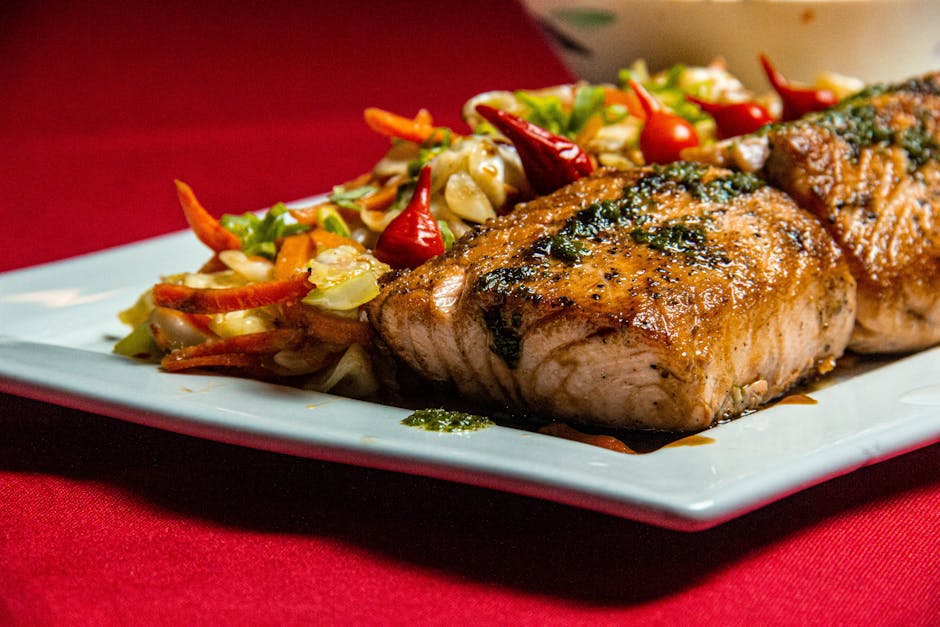
When you look at the autoimmune protocol food list, try to focus on abundance rather than lack. You are flooding your body with the most nutrient-dense foods on the planet.
Nutrient-Dense Proteins in the Autoimmune Protocol Food List
Protein is the building block of repair. On AIP, we prioritize “nose-to-tail” eating.
- Organ Meats: Liver is a nutritional powerhouse. If the taste bothers you, try grinding it into your beef or taking desiccated liver capsules.
- Wild-Caught Fish: Aim for at least 3 servings a week to get those anti-inflammatory Omega-3s.
- Bone Broth: This is the “liquid gold” of AIP. Rich in glycine and collagen, it helps “seal” the gut lining.
- Grass-Fed Meats: These have a better fatty acid profile than grain-fed alternatives.
If you are using AIP as part of a broader health goal, our Nutrition Guide for Weight Management can help you balance these proteins effectively.
Vegetables and Fruits for Your Autoimmune Protocol Food List
You should be eating a “rainbow” of vegetables—aim for 8+ servings a day!
- Leafy Greens: Spinach, kale, and chard (try them with lemon juice and olive oil—it’s a game changer!).
- Cruciferous Veggies: Broccoli, cauliflower (cauliflower rice is a great grain substitute), and cabbage.
- Root Vegetables: Sweet potatoes are a staple here. They provide the starchy carbs needed to support your thyroid and adrenal health.
- Mushrooms: These contain unique phytochemicals that support immune modulation.
For fruit, we recommend limiting intake to 1–2 servings (about 20g of fructose) per day to keep blood sugar stable. Berries are your best bet.
Healthy Fats and Pantry Staples
Fats are essential for hormone production and keeping you full.
- Oils: Extra virgin olive oil, avocado oil, and coconut oil.
- Flours: Tigernut, cassava, and arrowroot flour allow you to make AIP-compliant “treats,” though we suggest focusing on whole foods first.
- Fermented Foods: Sauerkraut and kombucha provide the probiotics your gut needs to rebuild its microbiome.
For more inspiration on how to use these ingredients, see our 28 Blood Sugar Balancing Recipes for Better Health.
Foods to Avoid on the AIP Elimination Phase
To give the gut a chance to heal, we have to remove the “irritants.”
- All Grains: Wheat, corn, rice, oats, and even gluten-free grains like quinoa.
- Legumes: Beans, lentils, peanuts, and soy.
- Dairy: All milk, cheese, and yogurt (even from goats or sheep).
- Processed Foods: If it comes in a crinkly bag with a long ingredient list, it’s likely out.
- Refined Sugars and Seed Oils: These are highly pro-inflammatory.
Why Nightshades and Grains are Eliminated
It might seem cruel to take away tomatoes and potatoes, but there is a biological reason. Nightshades contain solanine, an alkaloid designed to protect the plant from insects. In humans with leaky gut, these can increase intestinal permeability. Similarly, grains contain lectins and phytic acid—”anti-nutrients” that can bind to minerals and irritate the gut lining. In some cases, the body confuses these proteins with its own tissues, a process called “molecular mimicry,” which triggers an autoimmune attack.
Practical Tips for AIP Success and Safety
Success on the autoimmune protocol food list is 10% willpower and 90% systems.
- Label Reading: You’d be surprised where “potato starch” or “soy lecithin” hides. Always read the back of the pack.
- Grocery Shopping: Shop the perimeter of the store where the fresh produce and meats live.
- Social Life: It can be tough to eat out. We suggest eating a small meal before you go or calling the restaurant ahead of time to ask for plain grilled protein and steamed veggies.
For those with a packed schedule, our Nutrition Tips for Busy People and The Nutritionists Guide to Balanced Diet Ideas offer great hacks for staying on track.
Managing Risks and Nutrient Deficiencies
Because AIP is so restrictive, there is a risk of missing out on key nutrients. Specifically, watch your levels of:
- B12 and Folate: Often found in the organ meats many people skip.
- Vitamin D: Essential for immune function.
- Riboflavin: Found in leafy greens and mushrooms.
We strongly recommend working with a dietitian to ensure you aren’t just “eliminating” but also “nourishing.” A Balanced Diet Plan for Beginners can help bridge the gap.
Working with Healthcare Professionals
AIP is a powerful tool, but it shouldn’t be a solo mission. Always consult your rheumatologist or primary care physician before starting, especially if you are taking medications.
- Who should avoid it?: Pregnant women, people who are already severely underweight, or those with a history of disordered eating should only attempt AIP under strict medical supervision.
Frequently Asked Questions about AIP
Can I drink coffee or alcohol on the AIP diet?
Unfortunately, no. Coffee is a seed-based beverage, and caffeine can irritate the gut lining and mess with your stress hormones. Alcohol is a known gut irritant that disrupts the microbiome. We recommend herbal teas like peppermint or ginger, or even chicory root “coffee” as a satisfying alternative.
Is the AIP diet sustainable for the long term?
The elimination phase is not meant to be long-term. The goal is “food freedom”—moving into a maintenance phase where you have a wide, diverse diet that doesn’t cause flares. Long-term health comes from variety, not just restriction.
Can I follow AIP as a vegetarian or vegan?
It is extremely difficult. Because AIP eliminates legumes, nuts, seeds, and grains, a vegan would be left with only vegetables and fruit, making it nearly impossible to get enough protein and essential amino acids. If you must try it, it requires professional medical and nutritional oversight.
Conclusion
At Quintal Florido, we believe that food is one of the most powerful medicines we have. The autoimmune protocol food list isn’t about deprivation; it’s about a mindset shift toward intentional nourishment. By giving your body the right building blocks and removing the triggers, you are creating the environment necessary for true healing.
Ready to dive deeper into your wellness journey? Explore More info about nutrition tips to keep your health on the right track!
