
Why Your Vegetable Choices Matter for Immune Health
Immune boosting veggie swaps are one of the simplest changes you can make to strengthen your body’s defenses — no supplements required.
Here are the most effective swaps to get started:
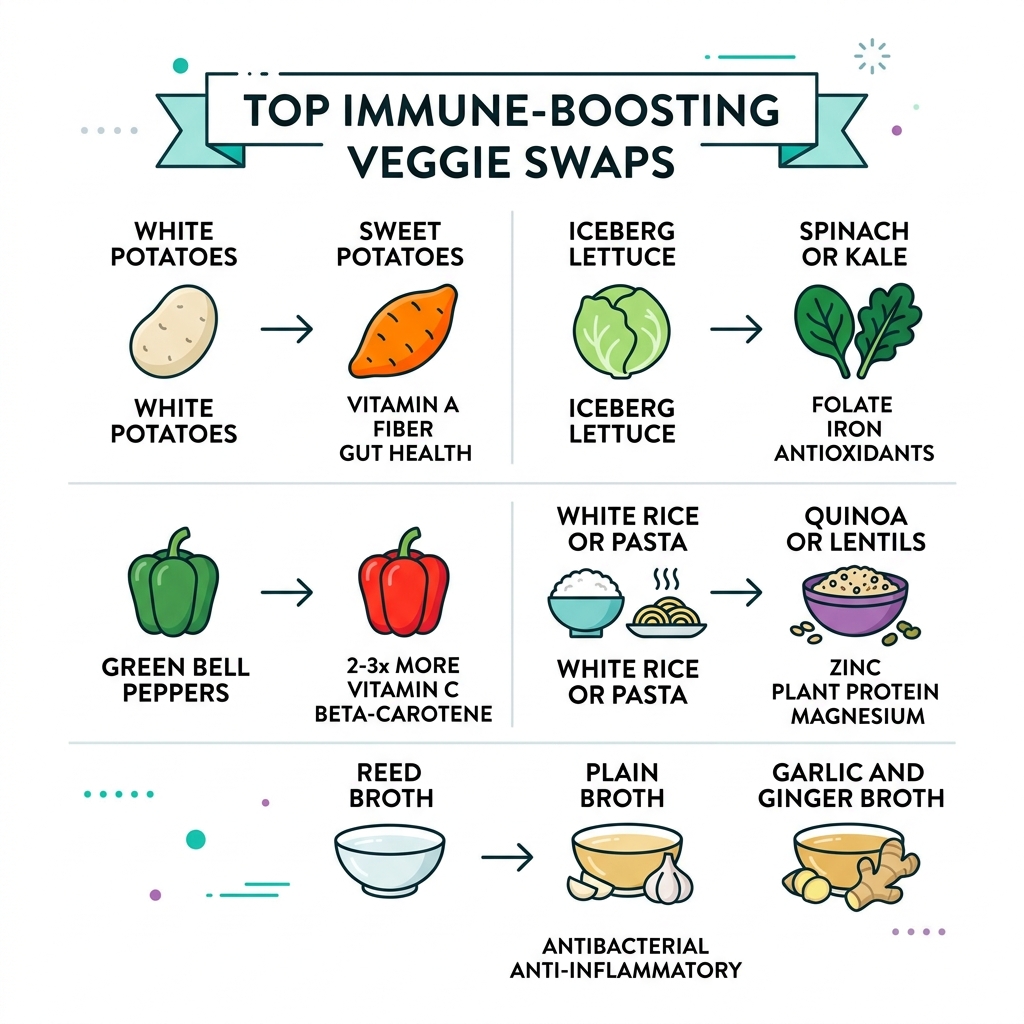
| Swap This | For This | Key Immune Benefit |
|---|---|---|
| White potatoes | Sweet potatoes | Vitamin A, fiber, gut health |
| Iceberg lettuce | Spinach or kale | Folate, iron, antioxidants |
| Green bell peppers | Red bell peppers | 2-3x more vitamin C, beta-carotene |
| White rice or pasta | Quinoa or lentils | Zinc, plant protein, magnesium |
| Plain broth | Garlic and ginger broth | Antibacterial, anti-inflammatory |
Most people already eat vegetables. But which vegetables — and how you prepare them — makes a real difference.
Red bell peppers, for example, contain 150–190 mg of vitamin C per pepper. A medium orange has about 70 mg. That’s a big gap from one small swap.
Your immune system relies on a steady supply of nutrients like vitamins C, A, and E, plus zinc, folate, and selenium. These aren’t stored easily in the body. You need them consistently, from food.
The good news? You don’t need to overhaul your entire diet. Swapping a few everyday vegetables for more nutrient-dense ones can have a meaningful impact over time.
The Science Behind Immune Boosting Veggie Swaps
When we talk about immune boosting veggie swaps, we aren’t just talking about “eating your greens” because it’s the right thing to do. There is a fascinating biological process at play. Our immune system is our body’s first line of defense against bacteria, viruses, and toxins. To keep this defense force “battle-ready,” we need specific chemical compounds found primarily in the plant kingdom.
Vitamin C is perhaps the most famous recruit. It fortifies the production of white blood cells, which are the primary “soldiers” that attack pathogens. However, it’s not the only player. Beta-carotene, which our bodies convert into Vitamin A, is essential for maintaining healthy mucous membranes. These membranes act as physical barriers in our nose and throat, catching germs before they can enter the bloodstream.
Furthermore, chronic inflammation can be a silent enemy to our immunity. When our bodies are in a state of constant inflammation, cortisol levels rise. High cortisol actually suppresses the immune system, making us more susceptible to getting sick. By choosing anti-inflammatory vegetables, we help keep cortisol in check.
We also can’t ignore the gut. Research shows that a huge portion of our immune system lives in our digestive tract. The fiber in certain vegetables feeds beneficial gut bacteria, creating a microbiome that can actively communicate with and prime our immune cells. For those just starting out, check out our clean-eating-tips-for-beginners to see how whole foods can reset your internal environment. You can also explore 8-easy-plant-based-soup-recipes-with-immune-boosting-power to see these principles in action.
Key Nutrients and Their Sources
To make effective immune boosting veggie swaps, we need to know which “power nutrients” we are looking for. It’s not just about calories; it’s about nutrient density.
- Vitamin E: This is a powerful antioxidant that helps the body fight off infections. While often found in nuts, it’s also present in leafy greens and broccoli.
- Zinc: This mineral is crucial for the production and activation of T-lymphocytes (immune cells).
- Folate: Found abundantly in spinach, folate aids in DNA repair and the production of new cells.
- Selenium: This trace mineral triggers the immune system to respond when there is a threat but also tells it when to slow down, preventing the chronic inflammation mentioned earlier.
| Nutrient | Common Source | Immune-Boosting Swap |
|---|---|---|
| Vitamin C | Orange (70mg) | Red Bell Pepper (150-190mg) |
| Vitamin A | White Potato (trace) | Sweet Potato (high beta-carotene) |
| Zinc | White Rice (low) | Lentils or Quinoa (moderate) |
| Folate | Iceberg Lettuce (low) | Spinach (very high) |
Why Red Bell Peppers are the Ultimate Immune Boosting Veggie Swaps
If there were a “gold medal” for immune boosting veggie swaps, the red bell pepper would likely take the podium. Many of us reach for an orange or a glass of juice when we feel a sniffle coming on, but the red bell pepper is actually the superior choice.
As noted in our research, a red bell pepper contains nearly three times as much Vitamin C as a standard orange. But the benefits don’t stop there. Because they are fully ripened on the vine, red peppers are also packed with beta-carotene and Vitamin E.
Vitamin C isn’t just for fighting germs; it’s also vital for collagen formation. Collagen is the “glue” that keeps our skin and mucous membranes strong, serving as our body’s first physical line of defense. By swapping out green peppers (which are just unripe versions) for red ones, you are significantly increasing your intake of these protective compounds. For more ways to center your diet around these powerhouses, see our plant-based-diet-tips.
Top 5 Essential Vegetable Swaps for Better Health
Making the transition to a healthier lifestyle doesn’t have to be overwhelming. Sometimes, the most effective strategy is a “this for that” approach. By replacing a staple food that offers little nutritional value with a nutrient-dense alternative, you can improve your health without feeling like you’re on a restrictive diet.
These swaps focus on increasing fiber, potassium, and anthocyanins (protective plant pigments). For a broader look at how to overhaul your pantry, read our guide on healthy-food-swaps-for-everyday-meals.
Swap White Potatoes for Sweet Potatoes
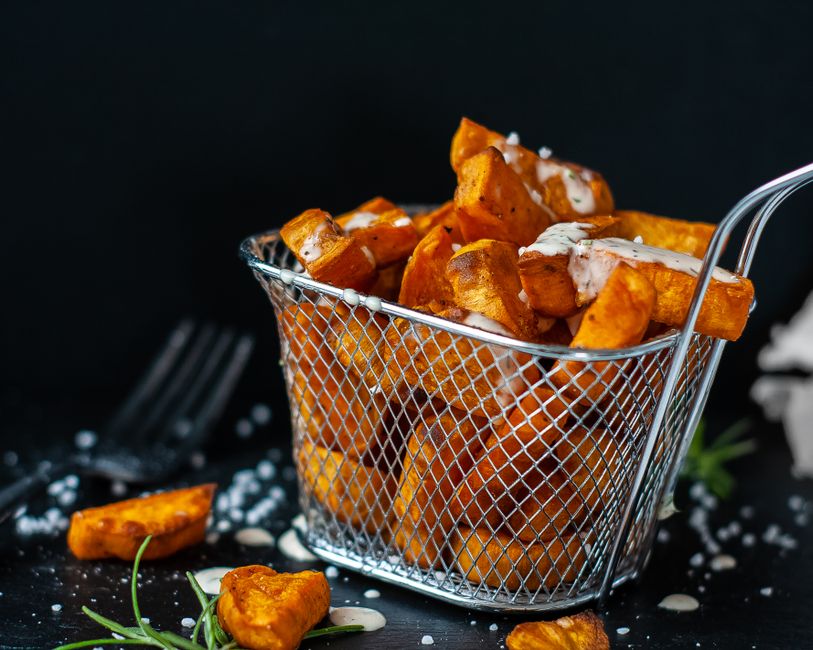
This is one of the most popular immune boosting veggie swaps for a reason. While white potatoes are a fine source of potassium, they are often stripped of their skins and fried, leading to a high glycemic spike and very little vitamin content.
Sweet potatoes, on the other hand, are a “superfood” in the tuber world. They are overflowing with beta-carotene (Vitamin A), which is essential for skin health and respiratory defense. They also have a lower glycemic index, meaning they provide steady energy rather than a sugar crash. We recommend eating the skin to reap the benefits of extra fiber and potassium, which supports gut health and, by extension, your immune system. Learn more at plant-based-diet-tips-2.
Swap Iceberg Lettuce for Spinach or Kale
Iceberg lettuce is mostly water. While it provides a nice crunch, it offers very little in the way of vitamins. Spinach and kale, however, are nutrient powerhouses.
Spinach is loaded with folate, which is necessary for DNA repair and the production of new immune cells. It also contains iron and Vitamin C, which work together (Vitamin C helps the body absorb plant-based iron). Kale offers a massive dose of Vitamin K and antioxidants. If you’re looking for inspiration on how to use these greens, check out Quintal Florido’s Immune-Boosting Vegan Recipes.
Swap Refined Grains for Quinoa or Lentils
While not “vegetables” in the strictest botanical sense, lentils and quinoa are often used as the “veggie” portion of a meal and make for incredible immune boosting veggie swaps. White rice and pasta are refined, meaning the nutrient-rich bran and germ have been removed.
Quinoa is a complete protein and contains significant amounts of zinc and magnesium. Lentils are a fantastic source of plant-based protein and fiber, which keeps you feeling full and supports a healthy gut microbiome. These swaps are especially beneficial for those following a vegan or vegetarian path. For quick meal ideas, see our quick-vegetarian-recipes-at-home.
How to Integrate Immune Boosting Veggie Swaps into Every Meal
The secret to a robust immune system isn’t a one-time “miracle meal”; it’s the consistent inclusion of these foods in your daily routine. From your morning smoothie to your evening soup, there’s always an opportunity for a swap.
One of our favorite ways to pack in nutrients is through a “swamp soup” or a nutrient-dense broth. Using fresh garlic, ginger, and turmeric can turn a simple vegetable soup into a potent antiviral and antibacterial remedy. Garlic contains alliin, which supports the white blood cells that fight flu and cold viruses. Ginger is a natural anti-inflammatory and antioxidant. For a base recipe, try Quintal Florido’s Homemade Vegetable Broth.
Breakfast and Lunch Upgrades
Most people don’t think of vegetables for breakfast, but it’s the perfect time for immune boosting veggie swaps.
- Smoothies: Toss a handful of spinach or even some frozen cauliflower into your morning fruit smoothie. You won’t taste them, but you’ll get a massive dose of folate and fiber.
- Quiches: Swap out heavy meats for diced red bell peppers and spinach.
- Salads: For lunch, move away from the “side salad” mentality. Make a hearty lentil salad with beets, carrots, and a lemon-ginger dressing.
If you’re short on time, we have a list of healthy-recipes-with-few-ingredients that make these swaps effortless.
Budget-Friendly Ways to Find Immune Boosting Veggie Swaps
Eating for immunity doesn’t have to be expensive. In fact, some of the best immune boosting veggie swaps are the most affordable.
- Seasonal Sourcing: Carrots, cabbage, and sweet potatoes are often very cheap when in season and store for a long time.
- Frozen Vegetables: Don’t turn your nose up at the freezer aisle. Frozen spinach, broccoli, and peas are often frozen at the peak of ripeness, preserving their nutrients. They are often cheaper than fresh and reduce food waste.
- Bulk Legumes: Buying dried lentils and chickpeas in bulk is one of the most cost-effective ways to add protein and zinc to your diet.
- Farmers Markets: Toward the end of the day, many vendors offer discounts on seasonal produce like beets and kale.
For more on how to eat well on a budget, see clean-eating-tips-for-beginners-2.
Common Mistakes to Avoid When Swapping Vegetables
Even with the best intentions, certain habits can “cancel out” the benefits of your immune boosting veggie swaps.
- Overcooking: This is the most common mistake. Water-soluble vitamins, like Vitamin C and folate, leach out of vegetables when they are boiled for too long. Broccoli, for instance, is best eaten raw or lightly steamed until it’s just bright green and still has a crunch.
- Peeling Everything: Much of the fiber and many antioxidants are found in the skins of vegetables like sweet potatoes, carrots, and cucumbers. Whenever possible, scrub them clean and leave the skin on.
- High-Sugar Sauces: Swapping fries for sweet potatoes is great, but if you douse them in a sugary “maple glaze” or store-bought ketchup, you’re introducing inflammation-causing sugar back into the mix. Use herbs, spices, and olive oil instead.
- Ignoring Variety: Don’t just stick to one swap. Your immune system thrives on a variety of nutrients. Rotate your greens and try different colored peppers to ensure you’re getting a full spectrum of antioxidants.
Frequently Asked Questions about Immune Swaps
How quickly can these veggie swaps show immune benefits?
While you might feel a boost in energy from better digestion and stable blood sugar within a few days, true immune support is a long-term project. Consistently eating these nutrients over weeks and months builds up your body’s “reserves.” It’s about being prepared before the virus hits, not just reacting to it.
Are frozen vegetables as effective as fresh ones for immunity?
Yes! In many cases, frozen vegetables are actually more nutrient-dense than “fresh” ones that have sat on a truck for a week and then in a grocery store bin. The freezing process “locks in” vitamins A and C. Just avoid frozen veggies that come with pre-made salty or sugary sauces.
Can I make these immune-boosting swaps entirely vegan?
Absolutely. In fact, most immune boosting veggie swaps are naturally vegan. Vegetables, legumes, seeds, and nuts provide all the essential vitamins and minerals your immune system needs. The only nutrient vegans should be particularly mindful of is Vitamin D (which often comes from fortified foods or sunlight) and B12, but for the core immune-boosting vitamins (A, C, E, and Zinc), a plant-based diet is exceptionally effective.
Conclusion
At Quintal Florido, we believe that health shouldn’t be complicated or expensive. By focusing on evidence-based nutrition and making simple, wholesome immune boosting veggie swaps, you can take control of your long-term well-being. Whether it’s choosing a red pepper over a green one or reaching for a sweet potato instead of a white one, every choice adds up.
Your immune system is a complex, beautiful machine that works 24/7 to keep you safe. The least we can do is give it the high-quality fuel it deserves. Start your healthy journey today by trying just one of these swaps in your next meal!
