
Why a Balanced Breakfast Meal Plan Changes Your Whole Day
A balanced breakfast meal plan gives your body exactly what it needs after a night of fasting — stable energy, better focus, and fewer cravings before lunch.
Here’s what a balanced breakfast includes:
| Component | What to Eat | Why It Matters |
|---|---|---|
| Protein | Eggs, Greek yogurt, tofu | Keeps you full, supports muscles |
| Fiber-rich carbs | Oats, whole grain toast, fruit | Steady energy, gut health |
| Healthy fats | Avocado, nut butter, chia seeds | Brain function, vitamin absorption |
| Fruits or vegetables | Berries, spinach, banana | Micronutrients, antioxidants |
Most people know breakfast matters. But knowing what to eat — and actually having it ready on a busy Tuesday morning — are two very different things.
Skipping breakfast or grabbing a sugary cereal doesn’t just affect your morning. It can spike your blood sugar, disrupt focus, and leave you raiding the snack drawer by 10am.
The good news? A solid breakfast plan doesn’t require much time or cooking skill. With a little prep, you can have nutritious, satisfying breakfasts ready to go all week long.
This guide walks you through exactly how to build one — with real recipes, a weekly plan, and strategies that work even on the most chaotic mornings.

The Science of a Balanced Breakfast Meal Plan
We have all heard that breakfast is the most important meal of the day, but science actually backs up the hype. When we sleep, our bodies are in a fasting state. A balanced breakfast meal plan acts as the “re-fueling” station that replenishes glucose levels, which are essential for brain function and physical energy.
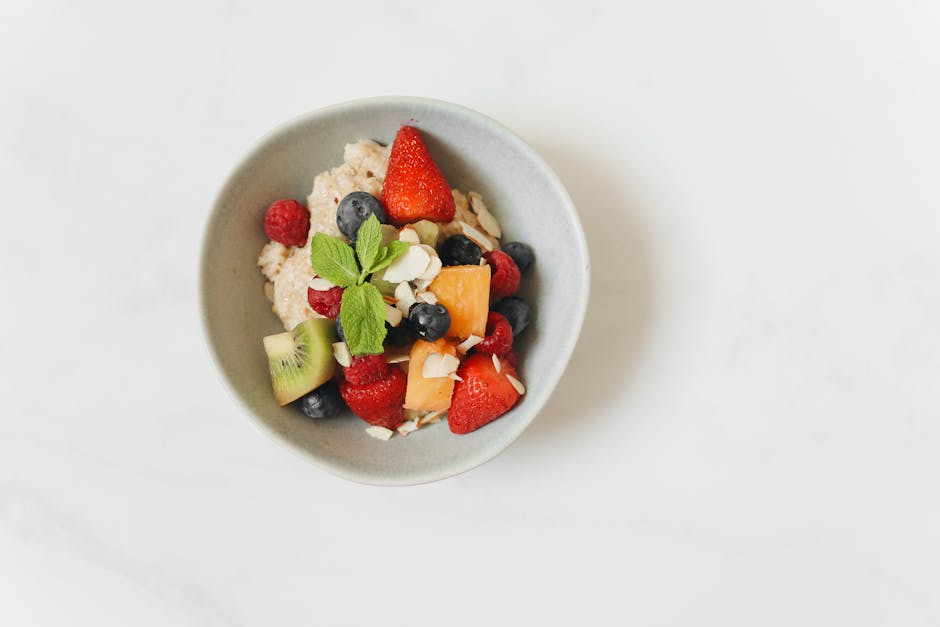
Research shows that breakfast eaters generally have a lower risk of chronic diseases compared to those who skip it. Furthermore, skipping the morning meal can lead to disturbances in sleep patterns and more significant blood sugar spikes later in the day. By choosing a balanced start, we stabilize our blood sugar right from the beginning, preventing the “rollercoaster” effect of energy crashes and mid-morning hunger.
Beyond just physical energy, eating a high-quality breakfast is a major win for your brain. Scientific research on breakfast and cognitive function suggests that a balanced morning meal is linked to improved concentration, better memory, and enhanced alertness. This is particularly vital for students and professionals who need to stay “on” throughout the morning.
To understand why “balance” is the keyword, let’s look at how different types of carbohydrates affect your body. For more depth on this, check out our info about meal planning for nutrition.
Refined vs. Complex Carbohydrates
| Feature | Refined Carbs (e.g., White Toast, Sugary Cereal) | Complex Carbs (e.g., Oats, Whole Grain Bread) |
|---|---|---|
| Digestion Speed | Very Fast | Slow and Steady |
| Blood Sugar Impact | Sharp Spike & Rapid Crash | Stable Levels |
| Satiety (Fullness) | Short-lived | Long-lasting |
| Nutrient Content | Low (Stripped of Fiber/Vitamins) | High (Fiber, B-Vitamins, Minerals) |
Building Your Balanced Breakfast Meal Plan with Protein
If fiber is the “slow-burn” fuel, protein is the anchor. Protein provides the amino acids necessary for muscle maintenance and repair. It also plays a massive role in satiety by increasing fullness hormones and decreasing hunger hormones.
For most adults, we recommend aiming for 15 to 30 grams of protein in the morning. To put that into perspective, many high-protein breakfast recipes provide about 25% to 30% of your daily protein needs in just one meal. If you are new to structuring your meals this way, you might find our guide on balanced diet plans for beginners helpful.
Excellent protein sources for your plan include:
- Greek Yogurt: A nutritional powerhouse that is also great for gut health.
- Eggs: Rich in choline for brain health; most healthy individuals can enjoy up to 7 eggs a week as part of a heart-healthy diet.
- Tofu: A versatile plant-based option for savory scrambles.
- Cottage Cheese: Often underrated, it’s incredibly high in protein and pairs well with fruit.
Fiber-Rich Carbs and Healthy Fats
To round out your balanced breakfast meal plan, you need the “dynamic duo” of fiber and healthy fats. Fiber supports digestive health and helps regulate blood sugar. We suggest aiming for at least 7 to 10 grams of fiber per breakfast.
Healthy fats are just as crucial. They assist in the absorption of fat-soluble vitamins (A, D, E, and K) and provide the structural building blocks for our cells.
- Avocado: Provides monounsaturated fats and extra fiber.
- Nut Butters: Peanut, almond, or cashew butter add creaminess and satiety.
- Chia Seeds: A tiny superfood that expands in liquid to keep you full; they are excellent sources of plant-based omega-3s.
Focusing on these components ensures you aren’t just eating “food,” but providing targeted nutrition for weight management and long-term health.
10 Easy Make-Ahead Breakfast Ideas
The biggest barrier to a healthy morning is usually time. This is where batch cooking becomes your best friend. By spending a little time on the weekend, you can ensure your balanced breakfast meal plan stays on track even when the alarm doesn’t go off on time.
Using make-ahead strategies allows you to control ingredients and portion sizes. Plus, it’s much cheaper than hitting the drive-thru. For active individuals, research suggests aiming for 1.4–2.0 grams of protein per kilogram of body weight daily, and these recipes make hitting those targets much easier.
- Baked Vanilla Protein Oatmeal: Provides about 16g of protein per serving. Bake a large tray on Sunday, slice it into squares, and reheat as needed.
- Spinach and Feta Egg Bites: Think of these as the homemade version of a coffee shop favorite, but with more protein and less salt.
- Apple Cinnamon Chia Pudding: A fantastic grain-free option that is rich in iron and fiber.
- Freezer Breakfast Burritos: Fill whole-wheat tortillas with scrambled eggs, black beans, and spinach. Wrap them tightly and freeze for up to a month.
- Peanut Butter Protein Muffins: These contain roughly 9g of protein each. Pair one with a hard-boiled egg for a complete meal.
- Overnight Oats with Berries: Mix oats, Greek yogurt, and milk in a jar. By morning, you have a creamy, ready-to-eat parfait.
- Zucchini Banana Baked Oatmeal Cups: A great way to “hide” veggies for kids (or yourself!) while getting 5g of protein per cup.
- Savory Sweet Potato Hash: Sauté sweet potatoes with turkey sausage and peppers. This stores well in the fridge for 4 days.
- Chai Spice Protein Breakfast Cookies: Yes, cookies for breakfast! These can boast up to 15g of protein when made with quality ingredients like flax and oats.
- Smoothie Freezer Packs: Pre-portion spinach, berries, and a scoop of protein powder into bags. Just add liquid and blend in the morning.
High-Protein and Dietary-Specific Options
We know that everyone’s dietary needs are different. Whether you are vegan, gluten-free, or dairy-free, you can still maintain a balanced breakfast meal plan.
- Gluten-Free: Use certified gluten-free oats for your overnight oats or baked oatmeal to avoid cross-contamination.
- Vegan: Swap eggs for a tofu scramble or use vegan protein bars (which can provide about 10g of protein each).
- Dairy-Free: Use almond or soy milk in your smoothies and chia puddings. A Spinach-Avocado Smoothie made with plant protein can offer 18g of protein and 8g of fiber.
For even more inspiration, see our easy breakfast ideas for busy mornings.
How to Execute Your Weekly Balanced Breakfast Meal Plan
Execution is all about the “Sunday Blueprint.” You don’t need all day in the kitchen; 60 to 90 minutes is usually enough to prep for the entire week.
The Sunday Blueprint Step-by-Step:
- Boil 6–10 Eggs: These are the ultimate “grab-and-go” protein.
- Bake One Main Dish: Choose a casserole, a tray of baked oatmeal, or a batch of egg muffins.
- Prep Your “Cold” Options: Assemble 2–3 jars of overnight oats or chia pudding.
- Wash and Chop: Get your fruit and veggies ready so they are easy to toss into a bowl or smoothie.
Following a structured plan like this is highly effective because a high-protein breakfast can reduce overall daily caloric intake by stabilizing your appetite. For a deeper dive into prep, read our ultimate guide to meal prep.
The “Choose Two + Backup” System for Families
If you have kids, you know that morning “decision fatigue” is real. We love the “Choose Two + Backup” system. On Sundays, pick two main options (like freezer waffles and egg cups). The kids choose between those two for the week.
The “Backup” is always a smoothie. If someone isn’t feeling the main options, or if you’re running 15 minutes late, the smoothie is the reliable fallback. This reduces morning arguments and ensures everyone leaves the house with a full belly. It’s a great addition to any weight loss meal plan ideas you might be following as a family.
Avoiding Common Breakfast Pitfalls
Even with the best intentions, we can fall into traps. Here is how to navigate them:
- The “Coffee is a Meal” Myth: Coffee is a beverage, not a breakfast. While we love a good latte, it lacks the fiber and protein needed to sustain you. Always pair your caffeine with a real food source.
- Sugary Cereals: Many “healthy” cereals are actually dessert in disguise. Check labels for added sugars and aim for those with at least 5g of fiber.
- The “Green Juice” Trap: Cold-pressed green juice is great for vitamins, but it has zero fiber or protein. It won’t keep you full.
- Skipping Entirely: If you skip breakfast and find yourself overeating at night, your body is likely overcompensating for the morning deficit.
For more strategies on avoiding these traps, see our meal planning tips for weight loss.
Frequently Asked Questions about Breakfast Planning
Can I skip breakfast if I am not hungry in the morning?
Breakfast is personal. If you truly aren’t hungry and your energy levels stay stable all day, you may not need a large meal immediately. However, if you skip breakfast and then struggle with intense sugar cravings or “brain fog” by 2pm, experimenting with a small, balanced meal (like a hard-boiled egg and a piece of fruit) could be a game-changer for your productivity.
Are smoothies a nutritionally complete breakfast choice?
They certainly can be, but they often aren’t. A fruit-only smoothie is just a hit of quick-digesting sugar. To make it a “meal,” you must add protein (yogurt, protein powder, or hemp seeds) and healthy fats (nut butter or avocado). Adding a handful of spinach provides fiber and micronutrients without changing the taste!
How long do meal-prepped breakfasts stay fresh in the fridge?
Most cooked items, like egg muffins or baked oatmeal, stay fresh for 3 to 5 days when stored in airtight glass containers. If you want to prep for the whole month, many of these items (especially burritos, waffles, and muffins) are incredibly freezer-friendly.
Conclusion
At Quintal Florido, we believe that wholesome habits are built on evidence-based nutrition and practical systems. A balanced breakfast meal plan isn’t about perfection; it’s about giving your body the tools it needs to thrive. By focusing on the “Big Three”—protein, fiber, and healthy fats—you can transform your mornings from chaotic to controlled.
Starting your day with intention sets a ripple effect for the rest of your choices. When you feel fueled and focused, you’re more likely to make healthy decisions at lunch and dinner, too. For more expert advice on sustaining these habits, explore our nutrition tips. Here’s to better mornings and long-term health!
