
Why Your Diet for Lunch Decides the Rest of Your Day
Diet for lunch choices have a bigger impact on your energy, hunger, and weight than most people realize. A well-built midday meal keeps you full until dinner. A poor one sends you hunting for snacks by 3 PM.
Here are the key things to know right away:
- Aim for 400–550 calories per lunch meal
- Include 25–30g of protein to trigger fullness hormones and reduce afternoon cravings
- Add at least 5–8g of fiber from vegetables, legumes, or whole grains
- Fill half your plate with vegetables or fruit, a quarter with lean protein, and a quarter with whole grains
- A low-calorie lunch is generally defined as 500 calories or less per serving
Good options include grain bowls, wraps, soups, salads with protein, and bean-based dishes. Bad options tend to be low in protein, high in refined carbs, and gone from your memory by 2 PM.
The research is clear on one thing: people who bring lunch from home eat significantly fewer calories per meal than those who buy out. That gap adds up fast over a week, a month, a year.
The goal of this list is simple. Give you real, practical lunch ideas that actually keep you full — no sad desk salads required.
What Defines the Perfect Diet for Lunch?
When we talk about a diet for lunch, we aren’t talking about deprivation. We are talking about strategic fueling. A common mistake many of us make is eating a lunch that is “too light”—like a bowl of plain lettuce with a splash of fat-free dressing. While low in calories, this lacks the staying power to keep your brain sharp.
So, what makes a lunch “perfect”?
- Calorie Control: For most adults aiming for weight management, a low-calorie meal is defined as 500 calories or less per serving. Staying within the 400–550 range prevents the heavy, lethargic feeling often caused by oversized restaurant portions.
- The Protein-to-Fiber Ratio: This is the secret sauce for satiety. Protein triggers fullness signals in the brain that carbohydrates and fats simply don’t. Aim for 25–30g of protein and 5–8g of fiber. This combination slows down digestion, meaning energy is released steadily rather than in one big spike.
- Blood Sugar Stability: To avoid the 3 PM “hangry” slump, we need to prioritize complex carbohydrates over refined ones. Whole grains like quinoa, brown rice, or barley take longer to break down, preventing the insulin spikes associated with white bread or sugary snacks.
- Non-Starchy Vegetables: These should take up half your plate. They provide volume and micronutrients like Vitamin A, Vitamin C, and folate without adding significant calories. Think peppers, broccoli, spinach, and cucumbers.
By mastering the art of the healthy lunch box, you can ensure your midday meal meets these criteria every single day.
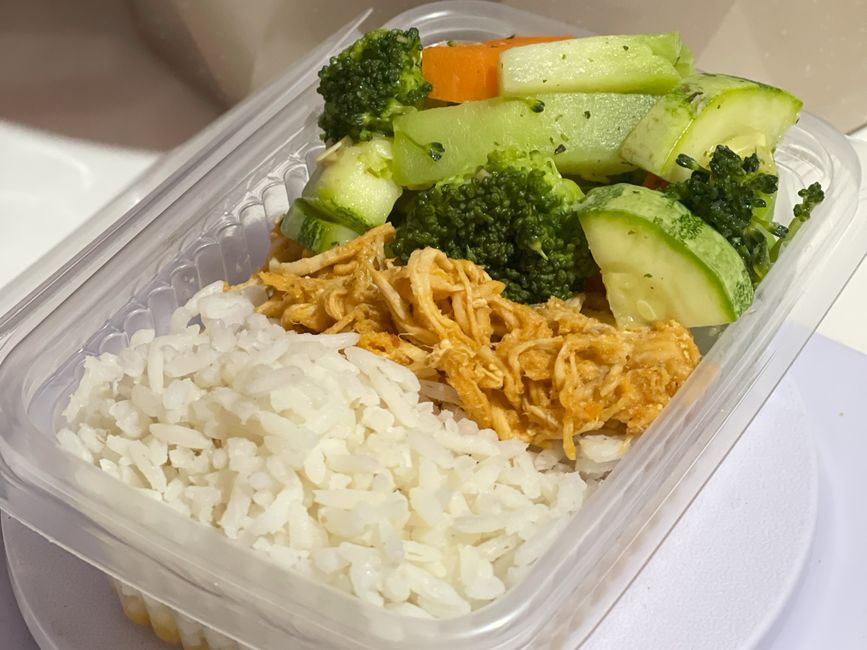
High-Protein and Fiber-Rich Diet for Lunch Recipes
Protein and fiber are the “dynamic duo” of weight management. Research shows that consuming 25–30 grams of protein at a meal can significantly reduce total daily calorie intake because you feel satisfied for longer. If you are looking for the best healthy balanced lunch recipes for busy people, focusing on these two nutrients is the fastest way to see results.
Mediterranean Grain Bowls: A Balanced Diet for Lunch
The Mediterranean diet is widely considered one of the healthiest eating patterns in the world, linked to better heart health and gut diversity. A grain bowl is essentially the Mediterranean diet in a convenient, portable format.
To build the ultimate bowl, follow this simple formula:
- The Base: 1/2 cup of cooked quinoa or farro. Quinoa is a “superfood” because it contains all nine essential amino acids.
- The Protein: A generous scoop of chickpeas or canned tuna.
- The Veg: Diced cucumbers, cherry tomatoes, and red onion.
- The Flavor: A sprinkle of feta cheese (strong flavors mean you need less!) and a dollop of hummus or a drizzle of tahini dressing.
These bowls are excellent for easy lunch recipes for work because they can be eaten cold and actually taste better after the flavors have melded in the fridge.
Protein-Packed Wraps and Bento Boxes
If you prefer something handheld, wraps are a fantastic diet for lunch staple—provided you choose the right wrap. Opt for wholemeal or high-fiber tortillas to avoid the refined flour trap.
For a quick protein boost, use rotisserie chicken. It’s a massive time-saver; just shred the breast meat and toss it with Greek yogurt instead of mayo for a creamy, high-protein filling. If you’re curating the ultimate teen-approved packed lunch, bento boxes are a great way to keep things interesting. Fill the compartments with:
- Lean turkey slices or hard-boiled eggs.
- Edamame (soybeans), which pack 26g of protein per cup.
- A side of Greek yogurt with berries for a hit of calcium and antioxidants.
Heart-Healthy and Low-Sodium Midday Meals
Heart disease remains a leading health concern, but your lunch choice can be a powerful preventative tool. The goal here is to reduce saturated fats and sodium while increasing soluble fiber and omega-3 fatty acids.
A classic example of a heart-healthy swap is moving away from processed deli meats, which are often loaded with salt. Instead, look toward bean-based soups like Minestrone. Beans are incredible for heart health because they contain soluble fiber, which helps lower cholesterol.
| Feature | Traditional Deli Sandwich | Heart-Healthy Turkey Wrap |
|---|---|---|
| Protein Source | Processed Salami/Ham | Lean Turkey or Grilled Chicken |
| Bread | White Sub Roll (Refined) | Wholemeal Tortilla (Complex) |
| Fat Source | Mayonnaise (Saturated) | Avocado or Olive Oil (Unsaturated) |
| Sodium | High (Preservatives) | Low (Fresh Herbs/Lemon) |
| Fiber | Low | High (Added Veggies/Beans) |
For those who love seafood, canned tuna or salmon is a pantry hero. While some worry about canned options, they are a practical way to get heart-healthy omega-3s into your diet on a budget. Mix your tuna with extra virgin olive oil and lemon juice instead of mayo for a Mediterranean twist that supports brain health and reduces inflammation.
Smart Meal Prep Strategies for a Busy Work Week
The biggest hurdle to a healthy diet for lunch is time. We’ve all been there—running late and grabbing a 700-calorie deli sandwich because it’s the easiest option. The solution is making the healthy choice the easy choice through meal prep.
One of our favorite methods is the “Mason Jar Salad.” The key is the layering technique to prevent sogginess:
- Bottom Layer: Dressing (vinegar and oil-based are best).
- Second Layer: Hard vegetables (carrots, chickpeas, cucumbers).
- Third Layer: Grains and proteins (quinoa, chicken, tofu).
- Top Layer: Leafy greens and seeds.
When you’re ready to eat, just shake it into a bowl! For more ideas, check out our work-week healthy lunch prep ideas and our guide on how to pack a healthier lunch.
Another efficiency hack is the “cook once, eat twice” method. If you’re making roasted vegetables or grilled chicken for dinner, make a double batch. Those leftovers can easily become the star of tomorrow’s wrap or grain bowl. We have even more tips in our extended meal prep guide.
Quick 15-Minute Diet for Lunch Hacks
No time for Sunday prep? You can still assemble a balanced lunch in under 15 minutes using “shortcut” ingredients:
- Pre-washed greens: Skip the chopping and go straight to the bowl.
- Microwaveable quinoa or brown rice: Ready in 90 seconds.
- Rotisserie chicken: The ultimate “no-cook” protein.
- Canned beans: Rinse and toss into any salad for instant fiber.
- Avocado mash: A great replacement for mayo or butter on sandwiches.
Frequently Asked Questions about Diet Lunches
How many calories should a diet lunch contain for weight loss?
For most adults, aiming for 400–550 calories is the sweet spot. This provides enough energy to power through the afternoon without exceeding your daily limits. If you are highly active or trying to build muscle, you might push this to 600 calories, provided the protein content is high (around 30-40g).
Can I eat carbohydrates for lunch while dieting?
Absolutely! Carbohydrates are your brain’s preferred fuel source. The trick is choosing “slow” carbs like whole grains, beans, and starchy vegetables (like sweet potatoes) rather than “fast” carbs like white bread or pasta. Pairing your carbs with protein and healthy fats helps buffer the blood sugar response, keeping your energy stable.
What are the best no-cook lunch options for busy professionals?
Canned tuna or salmon with whole-grain crackers and cucumber slices is a classic no-cook win. Another great option is a “Adult Lunchable” or bento box featuring hard-boiled eggs (which you can buy pre-cooked), string cheese, nuts, and grapes. These require zero heat and provide a great balance of macronutrients.
Conclusion
Transitioning to a better diet for lunch doesn’t have to happen overnight. At Quintal Florido, we believe in sustainable habits over “crash” diets. A great way to start is by following the 80/20 principle: aim for nutrient-dense, whole-food lunches 80% of the time, and allow yourself flexibility for the other 20%.
By focusing on protein, fiber, and healthy fats, you aren’t just losing weight—you’re gaining energy, focus, and long-term health. Whether it’s a 15-minute Mediterranean bowl or a heart-healthy minestrone, the right lunch makes all the difference.
For more evidence-based guides to a wholesome lifestyle, explore more nutrition tips for a balanced lifestyle on our site. Stop settling for the sad desk salad; your body deserves better!
