
Your Diet Might Be Full of Calories — But Is It Full of Nutrients?
Nutrient dense food choices are foods that pack a high amount of vitamins, minerals, fiber, and other beneficial nutrients relative to their calorie count — with little added sugar, saturated fat, or sodium.
Here’s a quick look at the best options across food groups:
| Category | Top Nutrient-Dense Picks |
|---|---|
| Vegetables | Kale, spinach, beet greens, broccoli |
| Fruits | Blueberries, oranges, strawberries |
| Proteins | Salmon, eggs, beef liver, sardines |
| Legumes | Lentils, black beans, edamame |
| Whole Grains | Quinoa, oats, barley |
| Nuts & Seeds | Almonds, chia seeds, hemp seeds |
About 74% of Americans need to improve their diets. The standard American diet tends to be energy-rich but nutrient-poor — meaning people eat plenty of calories, just not enough of the good stuff those calories should come with.
The fix doesn’t have to be complicated.
Small, consistent swaps — like choosing whole-grain bread over white, or snacking on a handful of almonds instead of chips — can dramatically raise the nutritional value of what you eat each day.
This list breaks down the top nutrient-dense foods and shows you exactly how to work them into a busy schedule.
What Are Nutrient Dense Food Choices?
When we talk about nutrient dense food choices, we are essentially looking for the “biggest bang for our calorie buck.” Imagine you have a budget of 2,000 calories a day. You could spend 500 of those calories on a large specialty coffee and a muffin, or you could spend them on a massive salad with grilled salmon, quinoa, and avocado. While the calorie count might be similar, the nutritional “wealth” you receive is worlds apart.
Nutrient density is a measure of the vitamins, minerals, fiber, and health-promoting phytochemicals a food provides compared to its energy content. On the flip side, we have “empty calories.” These come from foods high in added sugars and solid fats—like soda, candy, and processed snacks—that provide energy but almost zero nutritional support.
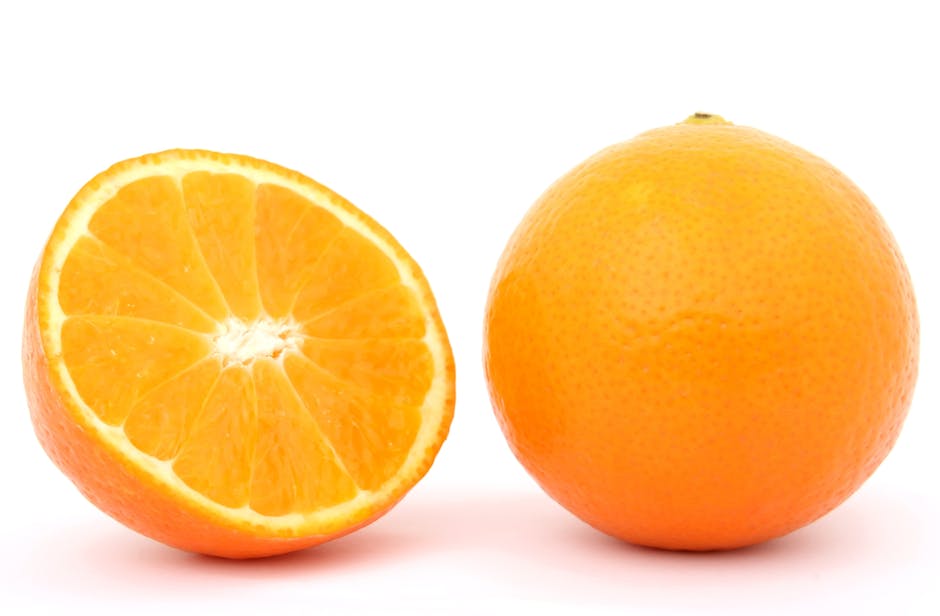
Research from the CDC on defining powerhouse fruits and vegetables highlights that “powerhouse” foods are those most strongly associated with reducing chronic disease risk. These are typically leafy greens, cruciferous vegetables, and citrus fruits that provide 10% or more of the Daily Value (DV) of 17 qualifying nutrients per 100 calories.
To see this in action, let’s look at a common daily staple: bread.
Table: Nutrient Comparison (White vs. Whole-Grain Bread)
| Nutrient | White Bread (1 Slice) | Whole-Grain Bread (1 Slice) |
|---|---|---|
| Calories | ~80 | ~80 |
| Fiber | Low | 2x more than white |
| Magnesium | Minimal | 3x more than white |
| Potassium | Minimal | 2x more than white |
| Vitamin B6 | Minimal | Significant amount |
| Zinc | Minimal | Significant amount |
As you can see, even when calories are identical, the nutrient dense food choices provide a much wider spectrum of the tools our bodies need to function, repair, and thrive.
Top 10 Nutrient-Dense Superstars to Add to Your Plate
If you want to transform your health, start with these heavy hitters. These aren’t just “healthy” foods; they are the elite performers of the nutritional world.
1. Wild Atlantic Salmon
Salmon is often hailed as a king among proteins. A 100-gram serving provides about 25.4 grams of high-quality animal protein and 2.2 grams of omega-3 fatty acids. These fats are essential because our bodies cannot produce them; they are vital for heart health, brain function, and reducing inflammation.
2. Kale
Kale is the poster child for nutrient density for a reason. A single cup of raw kale contains only about 9 calories, yet it is loaded with Vitamins A, C, and K, as well as manganese and various antioxidants. It’s one of the most efficient ways to flood your body with micronutrients without impacting your calorie “budget.”
3. Beef Liver
While it may not be everyone’s favorite flavor, beef liver is arguably the most nutrient-dense food on the planet. Our ancestors prized organ meats, and for good reason. A 3.5-ounce portion of beef liver provides a staggering 2500% DV of Vitamin B12, 1356% DV of Copper, and nearly 900% DV of Vitamin A. Think of it as nature’s most potent multivitamin.
4. Blueberries
When it comes to fruit, blueberries are hard to beat. They are packed with fiber and Vitamin C (about 10.8 mg per 3/4 cup), but their real power lies in their polyphenols. These antioxidants, specifically anthocyanins, have neuroprotective properties that support brain health and may improve mood.
5. Eggs
Often called “nature’s multivitamin,” eggs contain a little bit of almost every nutrient we need. They are rich in choline, which is essential for brain health, and the antioxidants lutein and zeaxanthin, which protect our eyes. Plus, they are incredibly satiating, making them a great tool for weight management.
6. Potatoes
Don’t let the “low carb” trends fool you; the humble potato is a nutritional powerhouse when eaten with the skin. Potatoes are rich in potassium, magnesium, and Vitamin C. In fact, research suggests they are more filling than rice or pasta, helping you stay satisfied for longer.
7. Legumes (Beans and Lentils)
Legumes are a fantastic source of plant-based protein and complex carbohydrates. They have a low glycemic index, meaning they provide steady energy without spiking your blood sugar. They are also one of the best sources of dietary fiber available. For more on how these fit into a balanced lifestyle, check out the-macro-guide-to-balanced-meal-ideas.
8. Seaweed
The ocean provides some of the most unique nutrient dense food choices. Seaweed (like nori or kelp) is rich in minerals like calcium, iron, and magnesium. Most importantly, it is an excellent source of iodine, a nutrient required for healthy thyroid function that is often missing from land-based diets.
9. Quinoa
Quinoa is a rare plant food that is a “complete protein,” containing all nine essential amino acids. It’s also high in fiber and minerals like magnesium and phosphorus. It’s a much more nutrient-dense alternative to refined grains like white rice or couscous.
10. Sardines
These small, oily fish are nutritional giants. Because you eat them whole (bones and all), they are an incredible source of calcium. They are also high in omega-3s and, because they are low on the food chain, they contain significantly less mercury than larger fish like tuna or swordfish.
Practical Strategies for a Healthier Diet
Transitioning to a diet focused on nutrient dense food choices doesn’t require a total kitchen overhaul overnight. It’s about shifting your mindset from “how much can I eat?” to “how much nutrition can I get?”
We recommend focusing on whole, minimally processed foods. These foods naturally contain the fiber and structure that help us feel full (satiety), which prevents overeating and supports chronic disease prevention. For a deeper dive into organizing your kitchen for success, see our guide on meal-planning-for-nutrition.
Identifying Nutrient Dense Food Choices at the Grocery Store
The grocery store can be a minefield of marketing claims, but the “Nutrition Facts” label is your source of truth. Here are three expert tips for navigating the aisles:
- The 20% Rule: The FDA defines a food as “high” in a nutrient if it provides 20% or more of the Daily Value (DV) per serving. Look for foods that hit this mark for fiber, vitamins, and minerals.
- The Heart-Check Mark: Look for the American Heart Association’s Heart-Check mark, which identifies foods that meet specific criteria for heart-healthy levels of fat and sodium.
- Scan the Ingredients: If the first few ingredients are sugar, salt, or refined flour, put it back. Nutrient-dense foods usually have short, recognizable ingredient lists (or no list at all, like a bunch of spinach!).
For more tips on navigating the store like a pro, read how-to-map-out-balanced-meal-plan-ideas-like-a-pro.
Simple Swaps for More Nutrient Dense Food Choices
You can significantly increase your nutrient intake by making these simple, everyday substitutions:
- Swap Sour Cream for Greek Yogurt: You get a similar creamy texture but with a massive boost of protein and probiotics.
- Swap White Rice for Quinoa or Barley: You’ll gain fiber and essential minerals without sacrificing the “bulk” of your meal.
- Swap Sugary Soda for Fruit-Infused Water: You eliminate empty calories and added sugars while staying hydrated.
- Swap Chips for Unsalted Nuts: A handful of almonds provides Vitamin E and healthy monounsaturated fats that protect your heart.
Starting your day right is the best way to set a healthy tone. Check out our tips on how-to-build-a-better-breakfast-for-a-balanced-life and explore healthy-balanced-diet-recipes-for-a-happier-you for inspiration.
Surprising Superfoods and Common Misconceptions
Some of the best nutrient dense food choices are often overlooked because of popular misconceptions or simply because they aren’t “trendy.”
- Sweet Potatoes: Often thought of as just a “holiday food,” sweet potatoes are a fantastic source of beta-carotene (Vitamin A). To keep the glycemic index lower and maximize nutrients, we recommend boiling them with the skin on rather than baking them.
- Dark Chocolate: Yes, you read that right! Chocolate with 70–85% cocoa content is rich in minerals and antioxidants. While it shouldn’t be your primary source of nutrition, a small square can be a heart-healthy treat.
- Bitter Melon: Common in many Asian cuisines, bitter melon is emerging as a superstar for blood sugar management and brain health.
- Dandelion Greens: Don’t pull these “weeds”! Dandelion greens are incredibly high in Vitamin K (over 400 mcg per cup) and Vitamins A and C. They can be slightly bitter, so we suggest blanching them or mixing them into a citrusy salad.
- Wheat Germ: The “heart” of the wheat kernel is packed with Vitamin E, folate, and magnesium. Sprinkle it on your oatmeal or yogurt for an easy nutritional upgrade.
For those focusing on weight, these foods are excellent because they provide high satiety. Learn more in our nutrition-guide-for-weight-management.
Frequently Asked Questions about Nutrient Density
Is there a single ‘most nutrient-dense food’ that provides all necessary nutrients?
No. While foods like beef liver, kale, and eggs are incredibly dense, no single food contains every single nutrient the human body requires. This is why dietary variety is the most important rule of nutrition. We need a mix of different colors, textures, and food groups to ensure we aren’t missing any essential “pieces of the puzzle.”
What types of foods should be limited to improve overall diet quality?
To improve the nutrient density of your diet, you should limit foods that are high in “empty calories.” This includes:
- Sugar-sweetened beverages (sodas, energy drinks).
- Highly processed meats (sausages, deli meats with high sodium).
- Refined grains (white bread, sugary cereals).
- Foods with high amounts of added solid fats (trans fats and excessive saturated fats).
Why is choosing nutrient-dense food critical as we age?
As we get older, our bodies often require fewer total calories because our metabolism slows down. However, our need for vitamins and minerals stays the same or even increases (as absorption can become less efficient). This means every calorie we consume must “work harder.” Focusing on nutrient dense food choices ensures that older adults get the nutrition they need for bone health, cognitive function, and immunity without gaining unwanted weight.
Conclusion
At Quintal Florido, we believe that eating well shouldn’t feel like a chore or a restriction. It’s about empowerment. When you choose nutrient dense food choices, you are giving your body the high-quality fuel it needs to keep you energized, sharp, and resilient for the long haul.
You don’t have to be perfect. Start by adding one “superstar” to your plate today—maybe some blueberries in your morning oats or a side of sautéed kale with dinner. Over time, these small choices compound into a lifestyle of vibrant health.
Ready to dive deeper into your wellness journey? Check out more info about nutrition tips for our latest evidence-based guides.
